
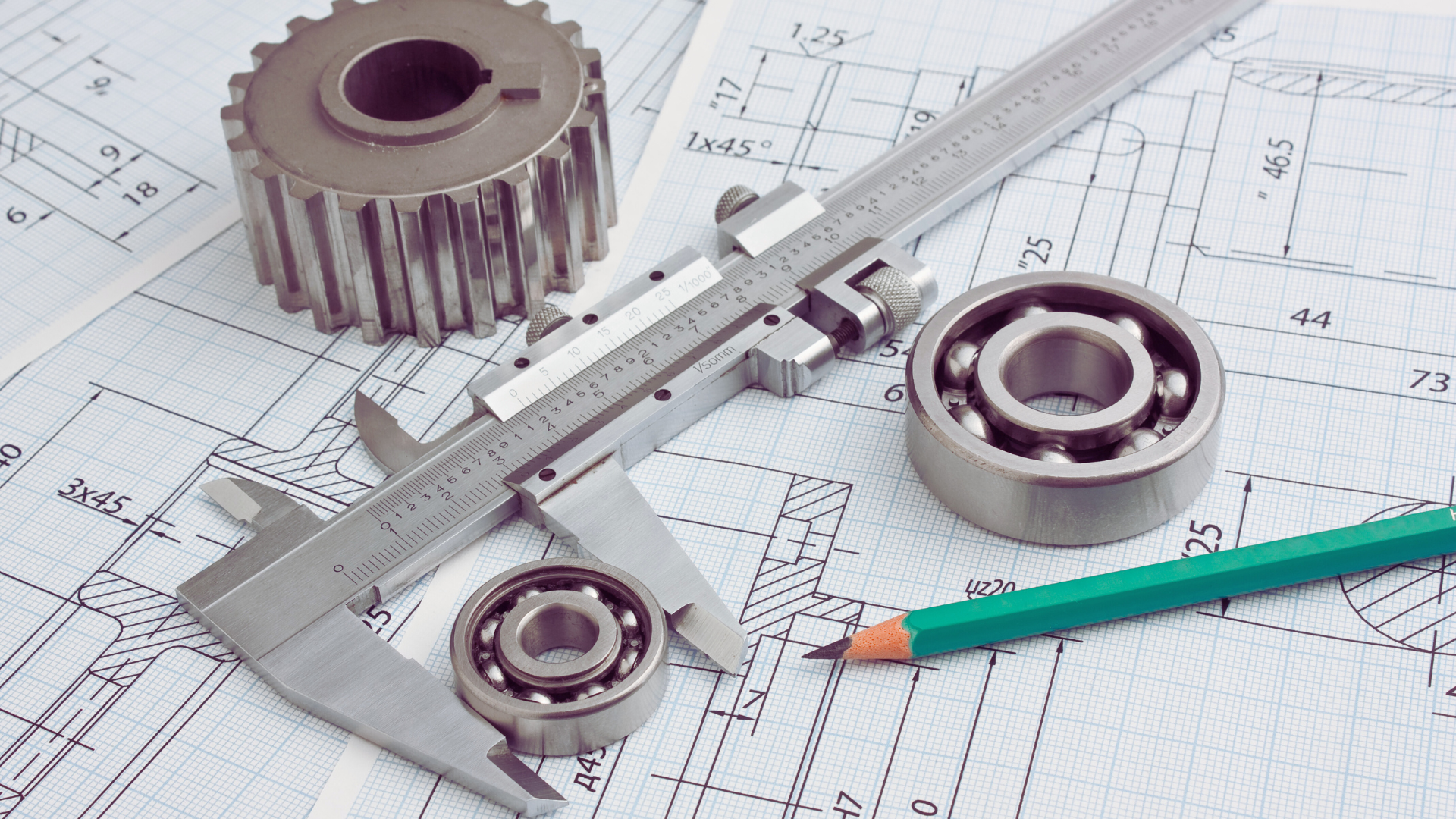
Mechanical art orientation refers to a movement that emerged in the 1920s, characterized by its focus on the interplay between machinery and artistic expression. This orientation emphasizes abstraction, where artists like Marcel Duchamp challenged traditional concepts of art by integrating mechanical processes and technologies into their work. This approach not only redefined artistic boundaries but also encouraged viewers to reconsider the relationship between art and the modern, industrialized world.
During this period, artists sought to capture the essence of mechanical reproduction and the aesthetic qualities inherent in machinery. Moving away from classical forms, they embraced new materials and techniques, allowing for innovative expressions that reflected contemporary life. Duchamp’s contributions, particularly through pieces that incorporated mechanical elements, serve as a pivotal reference point in understanding this orientation.
By exploring mechanical art orientation, one uncovers a dynamic intersection of creativity and technology that continues to influence artists today. Readers will find that this exploration unveils the transformative power of machinery in shaping artistic narratives and perceptions.
Historical Evolution of Mechanical Art
Mechanical art has undergone significant transformation since its inception. Various movements and key figures have influenced its development over time, particularly during the early 20th century through to contemporary practices.
Early 20th Century Roots
The origins of mechanical art can be traced back to the early 1900s. Artists began exploring the relationship between art and technology, responding to industrialization and mechanization.
In 1920, movements such as Futurism embraced the dynamism and energy of machines, celebrating speed and innovation. Artists like Umberto Boccioni utilized mechanical forms to express movement and modernity.
Simultaneously, Constructivism emerged in Russia, focusing on geometric abstraction and functionality. Constructivists sought to merge art with everyday life, promoting the idea of art as a tool for social change. This period laid the groundwork for future explorations in mechanical processes and aesthetics.
Influence of Marcel Duchamp
Marcel Duchamp played a pivotal role in shaping the trajectory of mechanical art. His concept of the “readymade” challenged traditional notions of authorship and artistic intention.
By transforming everyday objects into art, Duchamp questioned the very definition of art itself. Works like “Fountain” (1917) exemplified this shift, emphasizing the mechanical surface of mass-produced items.
Duchamp’s influence extended beyond his own creations, inspiring subsequent artists to adopt a more conceptual approach. This movement laid the foundation for subsequent avant-garde movements, emphasizing that the process and context could be as significant as the medium itself.
Post-Modern and Contemporary Developments
In the latter half of the 20th century, mechanical art evolved with the advent of new technologies. Artists began incorporating digital tools and multimedia into their work, expanding the definition further.
Many contemporary artists explore themes of ritual in their use of technology, blurring the boundaries between art, science, and everyday life.
Examples include installation art that utilizes mechanical components or digital projections. These innovations have led to an ongoing dialogue about the role of the artist in an increasingly automated world, prompting questions about creativity, agency, and the implications of technology in artistic expression.
Fundamentals of Mechanical Art
Mechanical art blends aesthetic principles with technical precision. It emphasizes the careful arrangement of elements to create harmony between form and function. Key components include composition, geometry, and the relationship between different lines.
Defining Mechanical Art
Mechanical art refers to artistic expressions that utilize mechanical processes or tools in their creation. This form can be applied in various mediums, including sculpture, painting, and architecture.
Artists often incorporate mechanisms such as gears, levers, and pulleys in their work, enhancing interaction and engagement. The mechanical aspect and artistic intention coexist, bridging technology and creativity.
This integration encourages unique perspectives, inviting viewers to contemplate the relationship between art and engineering. The careful manipulation of both elements allows for innovative designs and functional art pieces.
Importance of Composition
Composition in mechanical art is crucial, as it dictates how viewers perceive the artwork. Effective composition involves the strategic arrangement of vertical, horizontal, diagonal, and curved lines to create balance and guide the eye.
Vertical lines can convey strength and stability, while horizontal lines often represent tranquility and space. Diagonal lines inject dynamism and action into a piece, creating a sense of movement. Curved lines add fluidity and softness, enhancing organic shapes.
A well-composed piece resonates with viewers, drawing them in while providing a sense of order. The thoughtful organization of forms and lines ultimately contributes to the artwork’s impact.
The Interplay of Geometry and Aesthetics
Geometry plays a fundamental role in mechanical art, influencing both structure and aesthetics. Artists often use geometric shapes as building blocks, allowing for structured designs that support artistic expression.
Shapes such as circles, triangles, and squares can create visual interest when combined creatively. This use of geometry fosters an aesthetic appeal while maintaining functionality. Technical precision is crucial, ensuring that elements align cohesively.
Furthermore, the integration of geometric patterns can enhance the overall rhythm of a piece. This relationship between geometry and aesthetics helps to define mechanical art, marrying form with beauty in innovative ways.
Technical Aspects of Mechanical Art
Understanding the technical aspects of mechanical art requires familiarity with detailed drawings, the evolution of drafting techniques, and precise measurements. This knowledge is essential for creating accurate representations of design concepts.
Understanding Technical Drawings
Technical drawings are fundamental to mechanical art, serving as a communication tool between designers and manufacturers. They include various types such as multiview drawings, which depict an object from multiple angles, and isometric views, providing a 3D representation on a flat surface.
These drawings convey critical information through standardized symbols and notations. Understanding each component, such as line weights and hatching, is vital for interpreting designs accurately. Technical drawings also incorporate section views, which illustrate internal features by slicing through the object. This allows for a detailed understanding of dimensions and design intent.
From Manual Drafting to CAD
The transition from manual drafting to Computer-Aided Design (CAD) revolutionized mechanical art. Traditional manual drafting relied on tools like pencils, rulers, and drafting tables. This method required substantial skill and time for precision, limiting the complexity of designs.
CAD software introduced capabilities for 2D and 3D modeling, significantly enhancing productivity. Designers can now manipulate and visualize complex geometries more easily. CAD offers features such as automatic dimensioning, which ensures measurements are accurate and up to industry standards. This shift allows for rapid prototyping and iterative design changes, fostering innovation in mechanical art.
Dimensioning and Tolerancing
Dimensioning and tolerancing are crucial in mechanical art, ensuring that parts fit and function as intended. Dimensioning specifies the size and location of features in a drawing, using guidelines like linear, angular, and radial dimensions.
Tolerancing dictates acceptable variations in part dimensions. It is vital for maintaining functionality and ensuring quality control. By applying standard tolerances, designers communicate how much a part can deviate from its ideal measurements without compromising performance. Understanding these principles allows engineers and artists to produce reliable, manufacturable designs that meet specific requirements.
Mechanical Art in Different Media
Mechanical art spans various media, each offering unique possibilities for artistic expression. The interplay of technology and creativity manifests differently across photography, painting, sculpture, and digital platforms.
Photography and Film
Mechanical art in photography involves the use of cameras, lenses, and lighting techniques to capture images in innovative ways. Artists experiment with composition, exposure, and editing to manipulate reality, merging aesthetic values with technical precision.
In the film, mechanical art transcends mere documentation. Directors, cinematographers, and editors collaborate to create visual narratives. Techniques such as stop-motion and CGI enable artists to generate immersive experiences. Renowned institutions like The Met showcase films and photographic works that exemplify these mechanical art forms.
Paintings and Sculpture
In painting and sculpture, mechanical art often integrates traditional techniques with contemporary methods. Artists employ tools like airbrushes and 3D printers, blurring the lines between handmade and machine-made. The fusion of fine arts and technology allows for intricate designs and new textures.
Collaborative projects often arise within this medium, bringing together diverse talents. Exhibitions featuring mechanical paintings and sculptures highlight the dialogue between human creativity and mechanization. The combination produces compelling pieces that engage viewers on multiple levels.
Digital and Interactive Spaces
Digital platforms represent a significant evolution in mechanical art. Artists utilize software, code, and interactive elements to create immersive environments. These spaces often invite audience participation, breaking the fourth wall of traditional artwork.
Interactive installations demonstrate the convergence of art and technology, offering dynamic experiences. They encourage engagement through movement and choice, making viewers co-creators. Successful projects in this realm challenge conventional boundaries and redefine the experience of art in the contemporary landscape.