
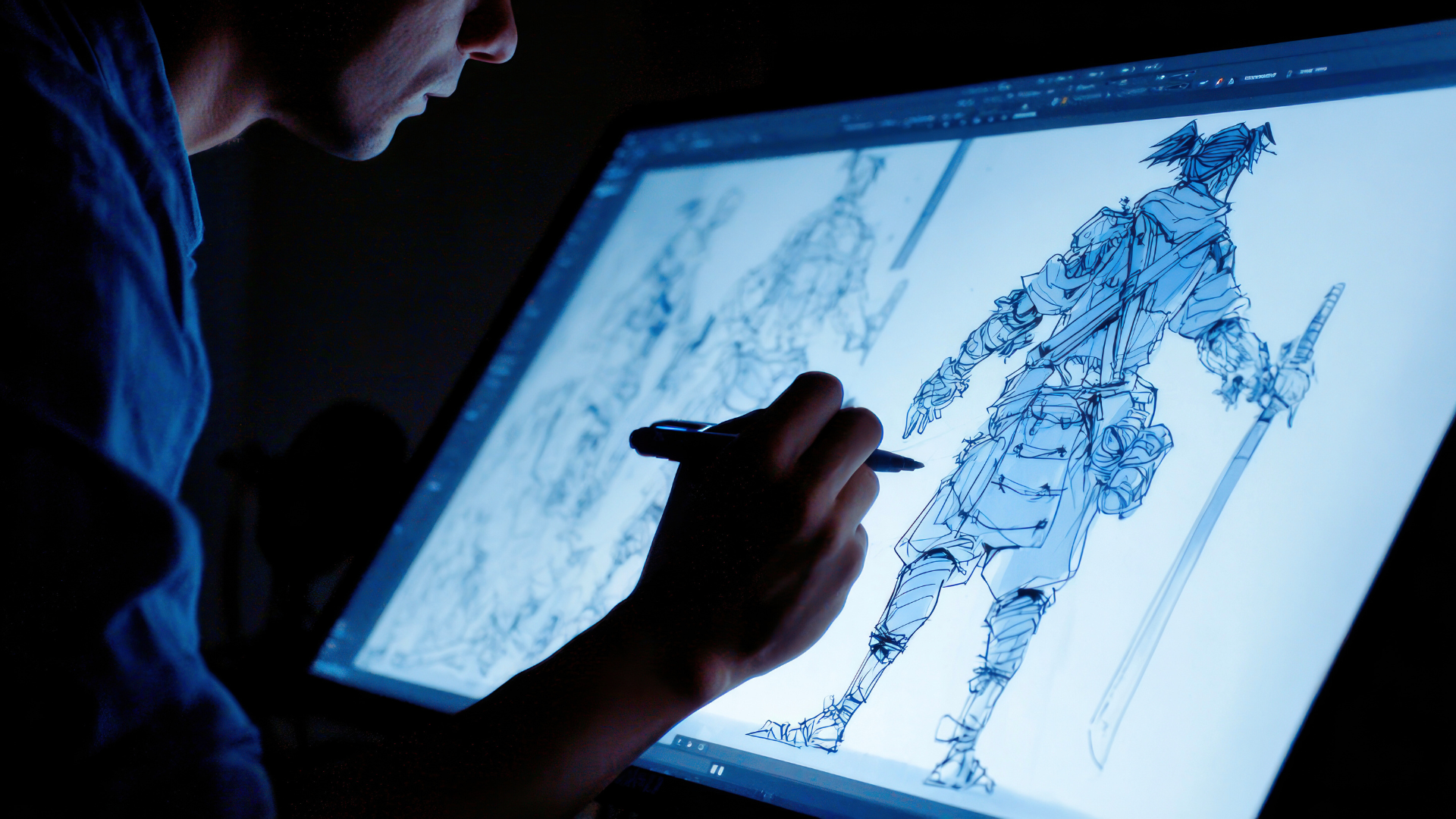
Orientation plays a crucial role in shaping how digital artwork is perceived and interpreted. Artists can manipulate orientation to guide the viewer’s focus, create balance, or evoke specific emotions in their work. Understanding its impact allows creators to craft more intentional and effective visuals.
The orientation of a digital piece directly affects composition, viewer engagement, and overall meaning, making it a powerful tool in digital art creation. This influence extends beyond aesthetics, affecting accessibility and how the artwork fits into various digital platforms or displays.
Exploring different orientations helps artists discover new perspectives and enhances storytelling through visual hierarchy and spatial relationships. This makes the study of orientation an essential aspect of mastering digital art techniques.
Fundamentals of Orientation in Digital Artwork
Orientation determines how a digital artwork is viewed and framed, affecting perception and composition. Key elements include the spatial positioning of the front, back, top, and right sides, as well as how these orientations differ from traditional methods and are manipulated within software.
Defining Orientation: Front, Back, Top, Right
Orientation in digital artwork refers to the spatial direction that a piece faces or is aligned toward. The front is typically the primary viewpoint or focal side that the artist or viewer focuses on. Opposite this is the back, often hidden or less emphasized.
The top indicates the uppermost part of the artwork and helps define vertical direction, while the right side is the lateral orientation, guiding horizontal flow and balance. These references enable consistent alignment, especially in 3D modeling and animation, where precise orientation controls viewing angles and lighting.
Orientation in Digital Art vs. Traditional Art
In traditional art, orientation depends largely on the physical medium—canvas, paper, or sculpture—and the artist’s presentation. It is fixed once created, and viewers adjust by physically rotating or moving around the piece.
Digital art offers dynamic orientation controls. Artists can easily rotate, flip, or zoom within software, altering front, back, top, and right perspectives without material constraints. This flexibility expands creative choices but requires awareness of how orientation changes affect narrative and visual clarity.
Types of Orientation Manipulations
Orientation manipulation in digital art includes rotations, flips, and perspective shifts. Rotating an artwork changes the top, right, and front sides, affecting composition and focus.
Flipping horizontally or vertically inverts the right or top orientation, often used to test balance or mirror elements. Perspective shifts simulate changes in viewer angle, altering depth and spatial relations within the piece. These techniques influence storytelling, visual emphasis, and overall design coherence.
Aesthetic and Perceptual Impact of Orientation
Orientation directly influences how viewers engage with digital artwork, affecting aesthetic appreciation and perception. The way an image is aligned shapes visual processing, cognitive interpretation, and emotional response.
Orientation and Visual Art Perception
Orientation controls the spatial arrangement of elements in digital art, guiding the eye’s movement. Vertically or horizontally aligned works often feel stable and balanced, while diagonal or rotated orientations introduce tension or dynamism.
Artists use orientation to emphasize depth, create rhythm, or manipulate focal points. The way viewers interpret line, shape, and form changes depending on how these components are oriented within the frame.
The Oblique Effect in Digital Contexts
The oblique effect describes visual sensitivity being stronger for vertical and horizontal lines than for oblique, angled ones. This bias affects how digital artwork is perceived, with vertical/horizontal orientations typically appearing clearer and easier to process.
In digital displays, this effect may alter how details, textures, or shapes are noticed. It influences design choices, especially when clarity and immediate comprehension are priorities in digital art.
Cognitive Factors Influencing Orientation Preference
Cognitive processes such as pattern recognition and memory heavily influence how orientation is preferred. Humans tend to favor orientations consistent with familiar environmental cues—usually upright or horizontal—because these require less mental effort to decode.
When artwork deviates from expected orientation, it can provoke curiosity or discomfort. This interplay affects emotional engagement and can either support or challenge the artist’s intent.
Recognizable vs. Abstract Content
Orientation affects the legibility of recognizable subjects more than abstract forms. For portraits or landscapes, traditional upright orientation supports identification and emotional connection.
Abstract digital artworks offer greater flexibility; orientation becomes a tool to manipulate perception and evoke different moods without relying on realism. This difference guides how artists select orientation to meet communicative goals.
Practical Applications and User Experience
Orientation affects how users perceive and interact with digital artwork. It influences movement within pieces, the design of interfaces, and how audiences emotionally respond to the art.
Motion and Dynamic Orientation in Digital Works
Motion in digital art often depends on orientation to guide the viewer’s eye. Artists use rotation, tilt, and scrolling direction to create a sense of movement and flow. Changing orientation dynamically can highlight transitions or emphasize key elements.
In interactive pieces, orientation shifts based on user input, such as tilting a device. This responsiveness enhances immersion and creates a more engaging experience. Developers must balance seamless motion with the risk of disorientation caused by abrupt changes in orientation.
User Interface Design for Artwork Orientation
Interface elements should adapt to the artwork’s orientation for usability and aesthetic coherence. Responsive design ensures controls and navigation remain accessible whether the artwork is viewed in portrait or landscape modes.
Orientation-aware UI can improve accessibility by accommodating various screen sizes and device postures. For example, zoom and pan controls that adjust based on artwork rotation prevent user frustration and maintain immersion.
Emotional Impact and Audience Engagement
Orientation shapes the emotional tone of digital art by controlling visual focus and spatial relationships. Vertical compositions often convey stability, while tilted or horizontal layouts suggest movement or instability, affecting viewer reactions.
Changing orientation within a piece can heighten tension or create surprise, drawing the audience deeper into the experience. Artists use these shifts deliberately to guide emotional engagement and maintain attention over time.