
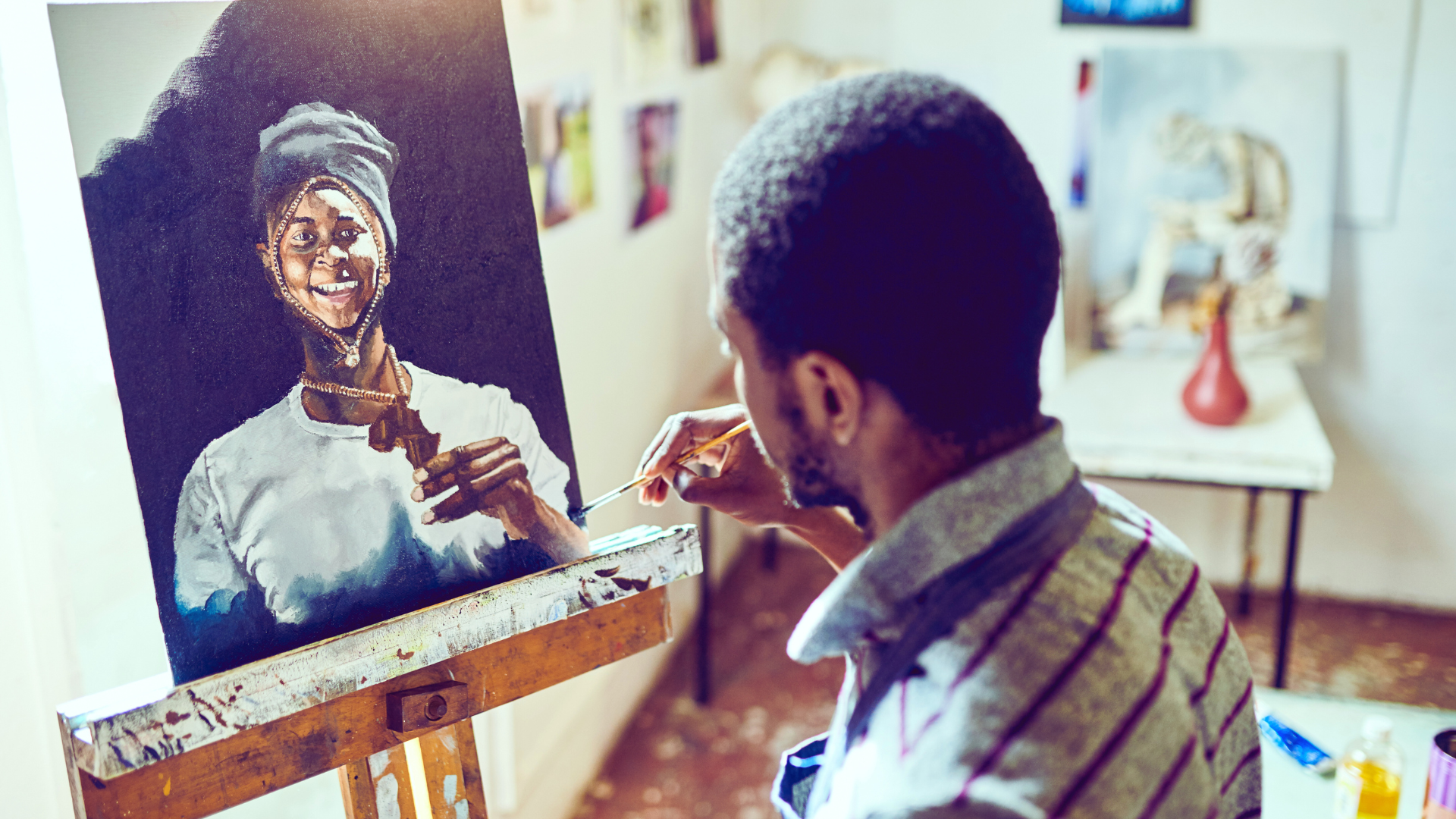
Art encompasses a wide range of expressions and practices, each with its own orientation and unique characteristics. The different art orientations can be defined as varying approaches to creating and interpreting art, including realism, abstract, conceptual, and traditional forms. Understanding these orientations allows individuals to appreciate the diverse methods artists use to convey their thoughts and emotions.
Throughout art history, these orientations have evolved and influenced each other, shaping the way art is understood and valued. From the meticulous details of realism to the emotive freedom of abstract expressionism, each orientation offers distinct insights into the human experience. This exploration not only highlights the skill and creativity of artists but also invites viewers to engage with art on a deeper level.
The significance of recognizing these various orientations lies in their ability to enrich one’s appreciation of artistic works. By examining how different forms of art coexist and challenge one another, individuals can cultivate a more profound understanding of the cultural and historical context in which art is created.
Fundamentals of Art Orientations
Art orientations encompass a wide range of historical movements and contemporary styles. These orientations reflect the evolution of artistic expression and the various approaches artists take to composition.
Historical Art Movements
Historical art movements significantly shape the understanding of art orientations. The Renaissance marked a revival of classical ideas with figures like Leonardo da Vinci and Michelangelo, emphasizing realism and human emotion. The Baroque period followed, characterized by a dramatic use of light and shadow, as seen in the works of Caravaggio.
The Romanticism movement prioritized emotion and individualism, challenging the rationalism of previous periods. This was succeeded by Impressionism, led by artists like Claude Monet, who focused on capturing light and atmosphere through loose brushwork. The 20th century introduced movements such as Fauvism, Cubism led by Pablo Picasso, and Surrealism, exploring new dimensions of abstraction and creativity.
Artistic Styles and Composition
Artistic styles and composition form the backbone of visual communication in art. The Bauhaus school emphasized functional design and minimalist aesthetics, promoting the unity of art and industry. Art Nouveau and Art Deco emerged as decorative movements, characterized by their ornamental qualities and geometric shapes.
Contemporary art continues to experiment with styles, integrating techniques like abstract expressionism and figurative art. Composition plays a vital role in how artists convey meaning, utilizing balance, contrast, and focal points. Abstraction—whether minimalist or complex—opens dialogues between the artwork and the viewer, allowing for diverse interpretations.
Art Mediums and Techniques
Art encompasses various mediums and techniques, each contributing uniquely to artistic expression. Understanding these distinctions aids in appreciating the diversity of art forms.
Visual and Plastic Arts
Visual and plastic arts involve the creation of visual works through the use of different materials and techniques. Examples include painting, sculpture, and architecture.
In painting, styles range from realism to expressionism. Artists like Georges Braque and Mark Rothko explored form and color, using techniques such as chiaroscuro to deepen emotional resonance. Photorealism captures subjects with precision akin to photography, while op art uses optical illusions to engage viewers.
Sculpture can be made from various materials, including clay, metal, and stone. Artists like Gustave Courbet utilized texture and form to convey meaning. Architectural design also reflects artistic vision, exemplified by styles such as Art Deco, showcasing intricate details and elegant lines.
Performing Arts and Literature
Performing arts include disciplines such as theater and music, where live performances convey stories and emotions. In theater, various styles like musicals and drama utilize scripts and direction to engage audiences.
Music serves as a powerful medium for expression, employing instruments and vocals to evoke feelings. Influential genres, from classical to contemporary pop, highlight the diversity within this field. Lyrics often complement musical compositions, bridging gaps between literary and performing arts.
Literature, as an art form, encompasses novels, poetry, and essays. Writers utilize language creatively to convey ideas, emotions, and narratives. Notable figures in literature influence various genres, shaping societal perspectives through storytelling.
Integrative and Applied Arts
Integrative and applied arts blend artistic skills with practical applications, enhancing everyday life. Interior design exemplifies this, connecting aesthetics with functionality. Designers consider color, space, and materials to create harmonious environments.
Home decor reflects personal style while incorporating elements of various art forms, such as painting and sculpture. Artistic expression extends into these domains, merging utility with creativity.
These arts not only beautify spaces but also provoke thought and foster well-being. The integration of art into daily life demonstrates its significance beyond traditional boundaries.
Influential Artists and Their Contributions
Art has evolved through various orientations, shaped significantly by key figures who introduced new techniques and movements. Their contributions set the stage for contemporary expressions and styles.
Pioneers of Diverse Art Orientations
Claude Monet, a leader in the Impressionist movement, emphasized light and color, capturing fleeting moments in nature. His works, like “Water Lilies,” exhibit innovative brushwork, influencing the perception of outdoor scenes.
Vincent van Gogh revolutionized post-impressionism with emotional intensity. His expressive use of color and thick application of paint in pieces such as “Starry Night” left an indelible mark on modern art.
Pablo Picasso co-founded Cubism, breaking down objects into geometric shapes, and profoundly altering artistic representation. His piece “Les Demoiselles d’Avignon” challenged conventions and inspired countless artists.
Other notable figures include Henri Matisse, who explored Fauvism with vibrant colors, and Salvador Dalí, who pushed the boundaries of Surrealism. Each artist contributed uniquely, shaping distinct art orientations.
Evolution of Artistic Techniques
The transition from traditional to modern art marked significant shifts in techniques. Abstract Expressionists like Jackson Pollock developed unique methods, such as drip painting, creating an experience beyond mere representation.
Mark Rothko’s color field paintings explored emotional expression through large areas of color, influencing subsequent movements. Willem de Kooning blended abstraction with figuration, redefining portrayal in art.
Andy Warhol and Roy Lichtenstein ushered in Pop Art, challenging conventional boundaries. Warhol’s commercial techniques and Lichtenstein’s comic-inspired style emphasized consumer culture.
Georges Braque’s collaboration with Picasso in Cubism introduced multiple viewpoints in a single frame. This evolution showcased the flexibility of artistic techniques, laying the groundwork for contemporary art.
The Impact of Art Across Society
Art functions as a vital influence throughout society, acting as a catalyst for social change and enriching everyday experiences. It connects communities and reflects cultural narratives, shaping both collective identity and personal expression.
Art in Social Movements and Cultural Developments
Art has played a crucial role in social movements, reflecting and influencing public sentiment. During the Harlem Renaissance, artists like Langston Hughes used poetry and visual art to explore African American identity and fight racial injustice.
Movements such as Expressionism and Surrealism challenged traditional art forms, expressing individual emotional experiences and subconscious thoughts. For instance, Edvard Munch’s “The Scream” encapsulates profound feelings of anxiety, contributing to discussions on mental health.
Baroque and Romantic art often depicted religious and emotional themes, reinforcing societal values or challenging norms. These movements sparked conversations that extended beyond the canvas, impacting literature and theater.
Art and Everyday Life
Art permeates daily life, enhancing environments and experiences. Home decor and interior design often incorporate artistic elements, creating spaces that resonate with individual aesthetics.
The theatrical arts bring communities together, offering shared experiences that foster connection and discussion. Whether through performance or visual art, such creations provoke thought and emotion.
Conceptual art invites viewers to engage with ideas rather than just visual appeal. This interaction prompts personal interpretation, enriching one’s understanding of the world. Ultimately, art serves not just as decoration but as a fundamental part of cultural and social frameworks.