
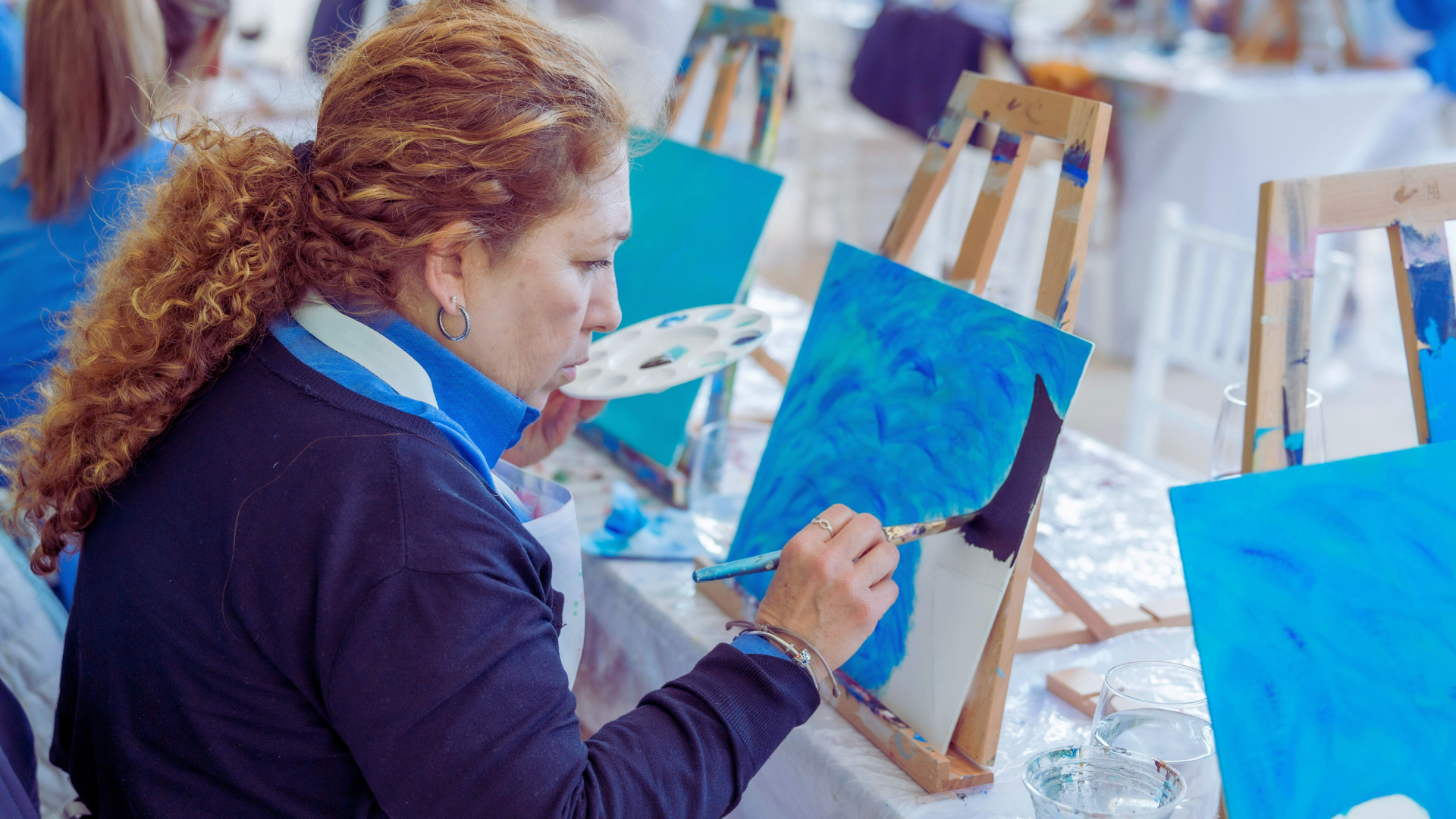
Blending minimalism with expressive brushwork requires a balance between simplicity and energy. The key is to use restrained compositions that allow bold, deliberate strokes to stand out without overwhelming the piece. This approach highlights the emotional impact of each brushstroke while maintaining a clean, uncluttered aesthetic.
Artists who master this technique focus on deliberate shapes and restrained color palettes, using expressive marks as visual highlights. By limiting detail and focusing on essential forms, they create works that are both powerful and calm.
This balance invites viewers to appreciate the texture and motion within a minimal framework. Understanding how to control space and gesture is essential for achieving this harmony in art.
Core Principles of Minimalism and Expressive Brushwork
Minimalism focuses on reducing elements to their essentials, while expressive brushwork highlights energy and emotion through visible strokes. Combining these requires understanding clear form and deliberate, dynamic mark-making to maintain both simplicity and vitality.
Defining Minimalism in Painting
Minimalism in painting strips down composition to basic shapes, colors, and forms. It avoids unnecessary detail, focusing on clarity and balance. Artists often use limited color palettes and clean lines to create impactful visuals.
The goal is to evoke meaning with as few elements as possible. Negative space plays a crucial role by framing the subject and emphasizing simplicity. This approach values precision and restraint over complexity.
Embracing Expressive Brushstrokes
Expressive brushstrokes reveal the artist’s emotion and spontaneity. They vary in texture, speed, and pressure to create a sense of movement. This technique values the physical act of painting as part of the artwork’s message.
Brushwork is often loose or vigorous, with visible marks that contrast with minimalist emptiness. The artist uses varied brush sizes and directions to build rhythm and energy within limited compositions.
Balancing Simplicity with Energy
Successfully blending minimalism with expressive brushwork means controlling chaos within order. Artists balance sparse elements with deliberate, textured strokes. This creates tension between quiet space and active brush movement.
One strategy includes using large, bold brushstrokes in simple color fields. Another involves minimal shapes disrupted by spontaneous, energetic lines. Both maintain minimalism’s structure while incorporating the dynamic quality of expressive painting.
Essential Tools and Techniques for Dynamic Blending
Effective blending requires attention to the tools used and the methods applied. The choice of brush size and shape directly affects the texture and flow of paint. Precise techniques enhance smooth transitions and create subtle, expressive effects.
Choosing the Right Brush Size and Shape
Selecting the appropriate brush size is crucial for blending minimalism with expressive brushwork. Smaller brushes, such as liners or rounds sized 0 to 4, enable detailed control and delicate strokes. Larger brushes, like flats or filberts sized 10 and above, cover broader areas and produce smooth, flat washes.
Brush shape also influences texture. Flat brushes create sharp edges and consistent washes. Round brushes offer versatility, shifting from thin lines to broad strokes. Filberts blend the two, ideal for organic shapes and soft edges.
Artists should consider bristle stiffness. Softer synthetic brushes support smooth blending, while stiffer natural bristles add texture and dynamic marks. Using a variety of sizes and shapes optimizes layering and subtle transitions.
Blending Techniques for Smooth Transitions
Smooth blending demands controlled brush movements and paint consistency. Wet-on-wet blending involves applying fresh paint over wet layers, allowing colors to mix gently on the canvas. This technique suits flat washes and gradients in minimalist areas.
Feathering, or softening edges by lightly dragging a dry or slightly damp brush over wet paint, achieves subtle, gradual shifts. Gentle circular or back-and-forth strokes prevent harsh lines, enriching depth without clutter.
Maintaining proper paint liquidity is critical. Thicker paint resists mixing, preserving brush marks; thinner paint flows for seamless transitions. Combining these methods lets artists vary texture while sustaining clarity in minimal compositions.
Dry Brush, Stippling, and Scumbling Explained
Dry brush uses a brush with minimal paint and moisture, producing scratchy, broken strokes. This technique emphasizes texture and expressive brushwork, contrasting smooth areas and adding tactile interest.
Stippling deposits small dots or dabs of paint, layering color and texture gradually. It suits building subtle visual complexity without overwhelming minimalist forms, especially in details or textured backgrounds.
Scumbling applies a thin, opaque layer of broken color with a dry, stiff brush over dry paint. It softens underlying layers and introduces visual depth. Using scumbling can balance bold brush strokes with subtle blending in dynamic paintings.
Integrating Minimalist Structure with Expressive Mark-Making
Balancing a minimalist framework with dynamic brushwork requires careful choices in composition and color. The contrast between simplicity and textured detail creates visual interest without overwhelming the viewer’s experience.
Planning Composition and Color Harmony
The artist must choose a restrained composition to serve as the foundation for expressive brushstrokes. Large areas of negative space or simple geometric shapes help anchor the painting. This structure supports the energetic mark-making without chaos.
Color selection should maintain harmony to unify minimal forms and expressive detail. Limited palettes—often monochromatic or complementary hues—allow the impasto and brushwork to stand out. Contrast can be used sparingly to highlight focal points, guiding the eye through the piece.
Layering and Selective Detailing
Layering varied textures enhances visual depth while preserving minimalist intent. An underpainting with flat tones provides stability. Over this, thicker applications—such as impasto—introduce movement and energy through bold, expressive strokes.
Selective detailing prevents clutter. The artist may emphasize brushwork in targeted areas, leaving other zones smooth or matte. This creates rhythm and balance, focusing attention on the tactile quality of the paint and the gesture behind each mark.
Developing Your Individual Style and Avoiding Common Pitfalls
Finding a balance between minimalism and expressive brushwork requires intentional exploration and self-awareness. Avoiding overworking and hesitation ensures the artwork remains fresh and impactful.
Experimenting for Unique Expression
Artists should try a variety of brush sizes to discover what best conveys their intended expression. Large, flat brushes can emphasize broad, minimal strokes, while smaller, round brushes add detail and texture without cluttering the composition.
Different brush techniques, such as dry brushing or layering, help develop a personal touch. Recording which combinations resonate most can guide consistent style growth. Experimentation should focus on energy and restraint rather than complexity.
They must allow imperfections to enhance expressiveness rather than aiming for polished uniformity. Keeping a sketchbook with varied samples aids ongoing refinement and prevents repetition.
Overcoming Overworking and Hesitation
Overworking diminishes the impact of minimal art by adding unnecessary detail. Artists should set limits on brushwork layers and avoid continually revising the same area.
Hesitation often leads to safe, uninspired marks. Confidence in each stroke comes from trusting initial decisions and recognizing that expressive brushwork welcomes spontaneity.
Creating a deliberate workflow, such as using timed sessions or predefined brush sizes, reduces the urge to over-edit. Accepting the balance between control and freedom helps maintain clarity in the final piece.