
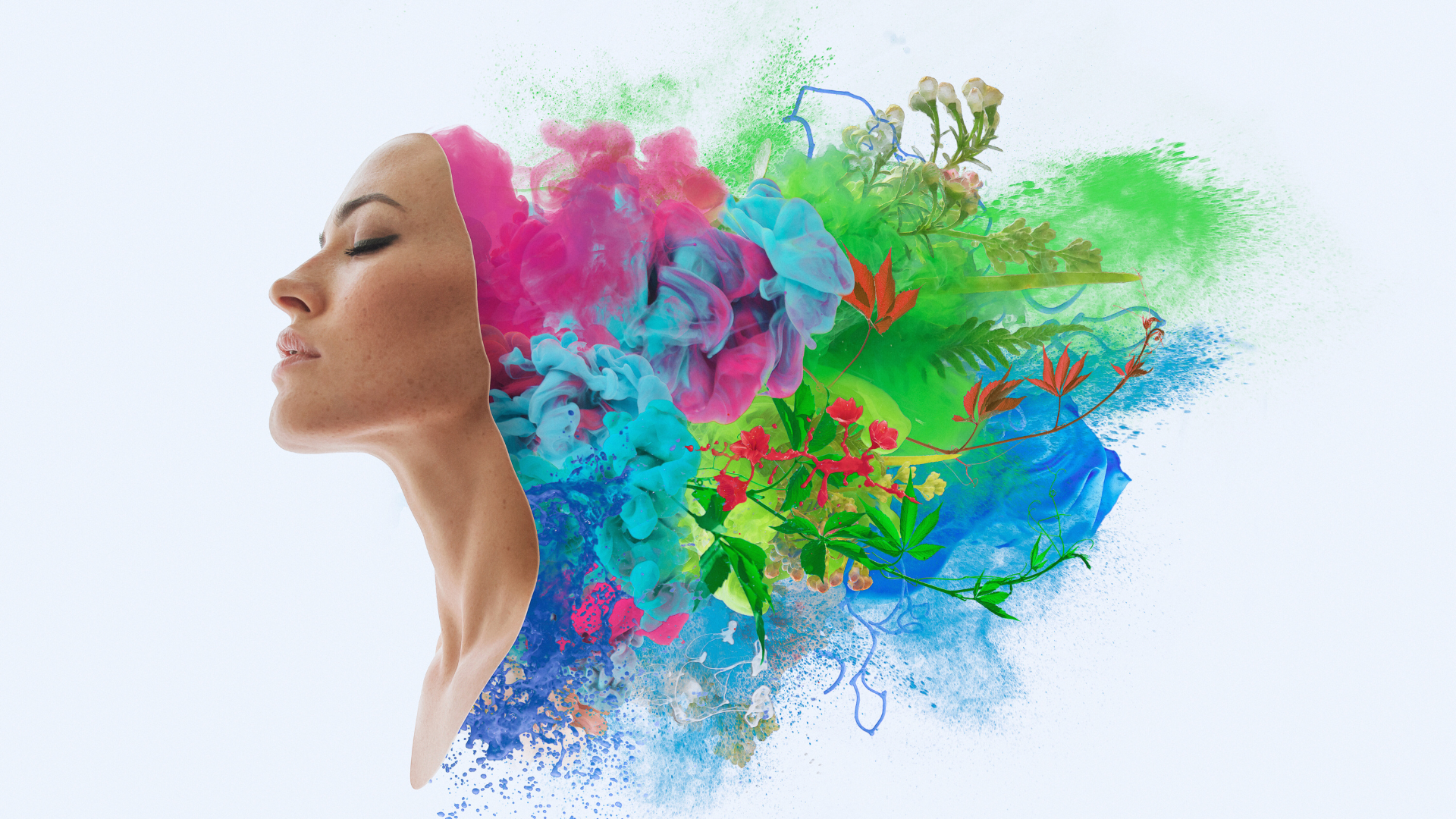
Art has long been a mirror reflecting the complexities of the human psyche. The psychology behind different artistic styles reveals how individual experiences shape creative expression and artistic creativity. Each style offers a glimpse into the artist’s mental state, cultural background, and personal history, influencing how they perceive and interpret the world around them.
Understanding various artistic styles requires exploring the creative process that drives artists. From impressionism to abstract expressionism, each movement embodies unique psychological principles that resonate with distinct human emotions and thoughts. Artists often channel their inner experiences through their work, allowing viewers to connect with their feelings on a deeper level.
Analyzing the intersection between psychology and artistic expression uncovers the motivations that fuel creative endeavors. Different styles not only distinguish artists but also create varied emotional responses in audiences, highlighting the intricate relationship between art, perception, and psychological insight.
Fundamentals of Art Psychology
Art psychology examines how individuals perceive and respond to various artistic styles. It encompasses cognitive aspects, emotional reactions, and the influence of personality traits. These components significantly shape one’s relationship with visual arts and aesthetic experiences.
Cognitive Aspects of Art Perception
Cognitive processes play a crucial role in how art is perceived. Factors such as visual perception and cognitive styles influence interpretation. Individuals may analyze shapes, colors, and patterns differently based on their mental frameworks.
Neuroaesthetics studies the brain’s response to art. This field reveals how specific neural circuits activate when viewing various artistic styles. Understanding the mechanisms behind perception can provide insights into why certain art resonates more with some than others.
Emotional and Intuitive Responses to Art
Art often elicits intense emotional reactions. These responses may vary widely among viewers, leading them to feel joy, sadness, or nostalgia. Emotions connected to art can significantly enhance aesthetic appreciation.
Intuitive reactions also come into play. People may be drawn to certain styles without fully understanding why. This connection can stem from personal experiences, cultural backgrounds, or deep-seated emotions.
The Role of Personality in Artistic Preferences
Personality traits shape an individual’s artistic preferences. For instance, those high in openness to experience may be more inclined to appreciate abstract or unconventional styles. They often seek new experiences and ideas, reflecting their appreciation for innovative art.
Conversely, individuals with more traditional inclinations might lean towards classical art forms. Such preferences can reveal deeper insights into a person’s values, beliefs, and emotional landscape.
Cultural Influences on Artistic Styles
Art is deeply intertwined with cultural identity and societal norms. Understanding how cultural factors influence artistic expression reveals the emotional responses and preferences shaped by cultural heritage.
Art as a Reflection of Cultural Identity
Art serves as a primary medium through which individuals express their cultural identity. Each community’s unique values, beliefs, and traditions inform the artistic styles they develop.
- Symbolism: Many cultures incorporate specific symbols that hold significant meaning. For example, Native American art often uses animals and nature to convey heritage and spirituality.
- Technique and Materials: The choice of materials can reflect local resources. For instance, Japanese ink paintings exemplify a long history of paper-making and ink production unique to that culture.
Art allows societies to visually document their histories, transmitting cultural narratives through generations.
The Impact of Historical Context on Art
Historical context plays a crucial role in shaping artistic movements. War, economic conditions, and technological advances inform artists’ perspectives and methodologies.
- Movements: The Renaissance, emerging from a renewed interest in classical knowledge, emphasized realism and human emotion. In contrast, modern art often reacts to industrialization, reflecting societal anxieties.
- Societal Change: The civil rights movement in the United States inspired numerous artists to address social justice. Their works provoke emotional responses that resonate with various audiences.
These influences highlight how art is both a product and a commentary on its time.
Cross-Cultural Comparisons in Art Appreciation
Art appreciation varies significantly across cultures. Individuals interpret and value artworks through their cultural lenses, impacting their emotional and intellectual responses.
- Aesthetic Preferences: In Western cultures, aesthetic beauty might prioritize symmetry. Conversely, many Eastern cultures may value asymmetry as a representation of nature’s imperfection.
- Cultural Heritage: Familiarity with one’s cultural heritage often shapes preferences. Individuals may gravitate toward styles that resonate with their background, enriching their artistic experiences.
Understanding these differences fosters greater respect and appreciation for diverse artistic expressions.
Psychological Processes in Creative Expression
Artistic expression intertwines various cognitive processes, including thought, language, and emotional states. These interactions are essential in understanding the complexities behind different artistic styles and the underlying psychological factors at play.
Interaction Between Thought and Language in Art
The relationship between thought and language in artistic expression is intricate. Creative individuals often utilize language to conceptualize their ideas, whether consciously or unconsciously. This process can affect their choice of visual structures and themes in art, allowing for rich interpretations.
Insight plays a crucial role as artists reflect on their experiences and the world around them. Memory recalls past emotions, guiding the creation of meaningful artworks. The integration of intuition aids in decision-making, allowing artists to break traditional boundaries and innovate. Language can also enhance the communication of complex ideas, grounding artistic expression in shared understanding.
Psychopathology and Its Expression in Art
Psychopathology often influences creative processes. Artists with mental health conditions may channel their experiences into their work, creating pieces that reflect their emotional states. This connection can serve as an outlet, allowing for self-reflection and exploration of their unconscious mind.
Conditions like depression or anxiety can impact the emotional depth and complexity of art, often leading to highly expressive or abstract forms. Neurotransmitters like dopamine and oxytocin play roles in emotional regulation and motivation, further influencing creativity. Vivid visual styles may emerge from the interplay of emotional highs and lows, providing an authentic glimpse into the artist’s psyche.
Neuroimaging Studies on Artistic Brain Activity
Neuroimaging studies provide insight into the brain’s activity during artistic creation. These investigations reveal how various regions activate during the creative process. For example, the prefrontal cortex, associated with decision-making and self-reflection, shows increased activation when artists engage in introspection.
Additionally, areas responsible for visual processing come alive when artists translate their thoughts into visual forms. Studies suggest that artistic innovation may correlate with enhanced connectivity between these brain regions. This synergy indicates a complex interaction between different cognitive processes that underpin creativity, ultimately shaping the uniqueness of an artist’s style.
Artistic Styles and Psychological Inquiry
Artistic styles reflect not only aesthetic preferences but also the psychological landscapes of their creators. Understanding the interplay between art and psychology reveals insights into human creativity and emotional expression.
Analyzing Different Art Movements Through Psychology
Different art movements can be analyzed through the lens of psychological theories and historical context. For example, the Surrealist movement, with its emphasis on the subconscious, showcases how psychological states influence creative expression. The focus on dreams and irrationality provides a window into the human mind’s complexities.
Artists such as Salvador Dalí employed techniques that aimed to tap into deep-seated emotions. This aligns with theories of cognitive processes, suggesting that artistic styles might reveal underlying psychological truths. Thus, art history presents a rich tapestry for exploring creative personality traits inherent in various movements.
Psychological Interpretation of Symbolism and Color Theory
Symbolism in art often conveys deeper emotional or psychological meanings. Artists utilize visual language to express complex ideas through imagery and themes. For instance, the use of specific colors may evoke certain psychological responses due to culturally inherited meanings.
Color theory plays a significant role in understanding emotional impact. A warm color palette typically elicits comfort or passion, while cooler tones may evoke calmness or sadness. These reactions reflect how color can influence psychological states, shaping viewers’ perceptions and emotional responses to artwork.
The Application of Art Therapy and Self-Portrait Analysis
Art therapy employs creative expression as a means to explore emotional health. By creating art, individuals reveal aspects of their inner selves, facilitating healing and self-awareness. This therapeutic practice capitalizes on the artwork’s power to mirror psychological states, often using self-portraits as a key tool.
Self-portrait analysis allows individuals to confront their identities and emotions directly. Artists like Frida Kahlo exemplify how self-portraits can serve as a medium for expressing personal struggles. In both therapy and artistic creation, the exploration of one’s internal landscape becomes a catalyst for understanding and personal growth.