
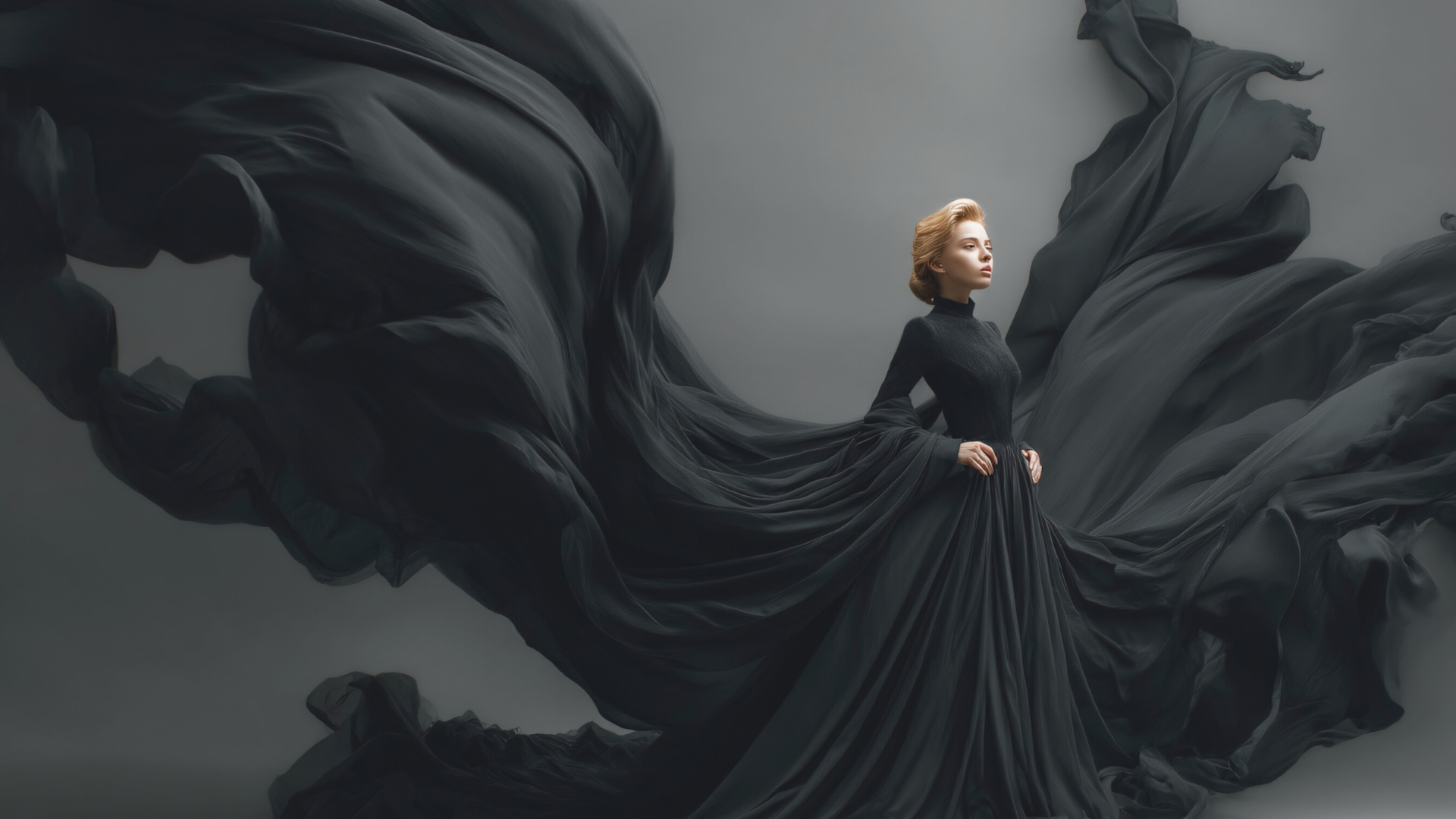
Fashion and visual art have long influenced each other, creating a dynamic relationship where style and aesthetic evolve together. Visual art often reflects prevailing fashion trends, using clothing, fabrics, and forms as central themes or motifs.
The influence of fashion on visual art styles is evident in how artists incorporate contemporary sartorial elements to express cultural identity, social status, and artistic innovation. This interplay allows art to remain relevant, capturing the spirit of its time through visual means.
Artists and designers continuously draw inspiration from one another, blurring the lines between fashion and art. This exchange has shaped many iconic movements and continues to impact both industries today.
How Fashion Influences Visual Art Styles
Fashion impacts visual art by introducing new ideas, materials, and color palettes that artists incorporate into their work. The collaboration between designers and artists often blurs the lines between the two fields, while fashion’s role as a form of artistic expression pushes boundaries in both industries. Innovations in fashion also affect contemporary techniques used by visual artists.
Iconic Collaborations in Fashion and Art
Collaborations between fashion houses and artists have shaped both fields. Dior partnered with artist Pablo Picasso, integrating his cubist motifs into couture designs. Gucci’s recent projects with contemporary painters and sculptors bring avant-garde aesthetics into fashion, creating wearable art.
These partnerships benefit both industries. Fashion designers gain fresh inspiration, while artists reach wider audiences. Louis Vuitton’s collaboration with Takashi Murakami combined pop art with luxury, influencing color use and pattern innovation.
Such collaborations highlight a shared language of creativity that advances artistic fashion, reinforces social commentary, and drives the fashion industry’s evolution.
Fashion as Artistic Expression
Fashion serves as a medium for artistic expression, reflecting cultural and social issues. Designers like Jil Sander use minimalism to convey clarity and structure, akin to modern art principles. Avant-garde designs challenge norms, often resembling installation art more than conventional clothing.
Fashion marketing exploits this artistic potential, positioning collections as conceptual art shows. The use of bold color palettes and unconventional fabrics emphasizes identity, storytelling, and emotion. This approach transforms fashion from mere apparel to a form of visual art that comments on society.
Artists and fashion designers influence each other’s use of symbolism, pushing forward new narratives within both disciplines.
Fashion’s Impact on Contemporary Art Techniques
Contemporary visual art absorbs techniques from fashion design, such as textile manipulation and mixed media use. The fashion industry’s innovations in fabric technology inspire artists to experiment with texture and form directly on canvas or sculpture.
Fashion’s emphasis on detail, craftsmanship, and layering influences how artists approach composition and surface treatment. Techniques developed for couture’s precision now inform installations and multimedia art.
Additionally, the fashion industry’s dynamic color palettes and patterns introduce new visual vocabularies, enriching contemporary art’s expressiveness and engaging viewers beyond traditional methods.
Art Movements Shaping Fashion and Visual Art
Fashion and visual art have continuously borrowed from each other, integrating elements like geometric shapes, vibrant palettes, and surreal imagery. These cross-influences trace back to key art movements that transformed both fields, creating new styles and challenging traditional forms.
Impressionism and Its Influence on Fashion Aesthetics
Impressionism introduced a focus on light, color, and fleeting moments, which influenced fashion designers to experiment with softer fabrics and pastel shades. Artists like Claude Monet emphasized nature and movement, inspiring dresses with fluid silhouettes that mimicked brushstrokes.
The movement’s emphasis on capturing everyday life encouraged lighter, more comfortable clothing suitable for outdoor activities. Designers such as Paul Poiret adapted these fluid forms, moving away from rigid corsetry toward freer, flowing garments.
This aesthetic also promoted subtle textures and layered patterns similar to Impressionist paintings. Through color blending and delicate detailing, fashion reflected Impressionism’s softer, more naturalistic approach.
Cubism: Geometric Patterns in Fashion and Art
Cubism revolutionized visual representation by breaking forms into geometric shapes and multiple perspectives. Pioneers like Pablo Picasso and Georges Braque created fragmented compositions that designers later translated into bold, angular fabric patterns.
Fashion embraced Cubism by incorporating strong geometric motifs and asymmetrical cuts. Elsa Schiaparelli collaborated with artists to produce garments featuring abstract shapes and patchwork, reflecting the movement’s fragmentation.
Cubism’s influence pushed designers to rethink conventional silhouettes, resulting in structured yet unconventional garments. This alignment of art and fashion foregrounded a modernist appeal with clean lines that echoed Art Deco minimalism.
The Legacy of Surrealism in Avant-Garde Designs
Surrealism introduced dreamlike, illogical imagery that intrigued both artists and fashion designers. Salvador Dalí’s collaboration with Elsa Schiaparelli produced iconic pieces like the lobster dress, showcasing surrealism’s impact on wearable art.
Surrealism’s focus on the subconscious and unexpected juxtapositions inspired avant-garde clothing that challenged norms. Unusual shapes, whimsical motifs, and exaggerated proportions became common in fashion collections influenced by this movement.
The blending of reality and fantasy in surrealism allowed designers to elevate fashion beyond utility, making garments statements of creativity and surprise. This movement reinforced the artistic potential of fashion as a medium for personal expression.
Pop Art: Vibrancy and Everyday Life Motifs in Style
Pop Art merged mass culture with fine art, using bright colors and commercial imagery. Andy Warhol’s works, with their repetition and bold hues, directly influenced fashion by introducing vibrant prints and consumerist themes.
Fashion adopted Pop Art’s playful spirit through eye-catching patterns, logos, and motifs drawn from daily life and advertisements. Designers integrated primary colors and graphic elements reminiscent of Piet Mondrian’s geometric abstraction.
This movement’s accessibility reshaped fashion into a canvas for popular culture, merging the boundaries between high art and street style. Pop Art encouraged fashion to be more dynamic and visually engaging, reflecting contemporary societal trends.
Cultural and Social Impact of Fashion on Art
Fashion influences visual art by embedding cultural symbols, responding to societal changes, and encouraging global artistic exchanges. These forces shape how artists use fashion to reflect identity, challenge norms, and blend diverse traditions creatively.
Reflections of Cultural Expression through Fashion
Fashion acts as a visual language expressing cultural identity and heritage. Artists incorporate traditional patterns, fabrics, and styles in their works, showcasing the historical and social background of specific communities.
Streetwear, tied closely to urban culture, often appears in visual art as a symbol of youth expression and resistance. This trend connects daily life with artistic expression, blending fashion’s immediacy with cultural narratives.
Sustainable fashion prompts visual artists to address environmental concerns, using recycled materials or highlighting eco-conscious themes. This approach positions fashion as a medium for cultural responsibility through art.
Fashion as a Response to Social and Political Shifts
Visual art often mirrors fashion’s reaction to societal changes like civil rights movements, feminism, or economic shifts. For example, the punk fashion style inspired a raw, rebellious aesthetic in street art and graphic design.
Artists use fashion marketing imagery to critique consumerism and media influence. This creates a dialogue about capitalism’s role in shaping identity and public perception.
Fashion’s evolution during political upheavals allows artists to explore themes like freedom, conformity, and resistance. The adoption of certain fashion trends signals social alignment or opposition within visual art.
Globalization and Cross-Cultural Exchange in Artistic Fashion
Globalization accelerates the mixing of fashion aesthetics in art, blending motifs from Africa, Asia, and the West. This cross-cultural exchange challenges traditional boundaries and creates hybrid artistic styles.
The fashion industry’s international scope facilitates collaboration between designers and artists worldwide. These partnerships produce artworks reflecting a fusion of cultural influences.
Global street art movements integrate fashion elements from multiple regions, representing diverse urban experiences. This inclusivity enriches artistic expression, making fashion a global language for social and cultural dialogue.
Modern Innovations and Future Trends
The intersection of fashion and visual art is rapidly evolving, influenced by advances in technology and changing cultural priorities. These shifts affect both the creation and presentation of art-inspired fashion, pushing boundaries in innovative directions.
Digital Art and Technology in Fashion
Digital art has transformed the visual language of fashion, enabling designers to create complex patterns and textures that were previously impossible. Designers like Alexander McQueen have used digital prints and 3D modeling to create avant-garde designs that blend technology with couture.
Wearable tech is another key development. Smart textiles with embedded sensors and lights turn clothing into interactive artworks, enhancing both visual appeal and functionality. This fusion allows fashion designers to approach garments as canvases for multisensory experiences, often showcased on digital runways.
Technology also facilitates collaboration across disciplines, with fashion designers working alongside digital artists like Damien Hirst. This cross-pollination drives more experimental, boundary-pushing fashion trends.
Sustainable Fashion and Eco-Conscious Art
Sustainability has become central in both fashion design and visual art, prompting eco-conscious approaches. Designers emphasize recycled materials, biodegradable fabrics, and low-impact dyeing processes to reduce environmental harm.
Artists and designers are incorporating these values by using reclaimed textiles for avant-garde pieces or creating visual art installations that highlight fashion’s ecological footprint. Sustainable fashion often involves slow production cycles, encouraging the longevity of garments as both functional wear and collectible art pieces.
These eco-focused practices influence fashion trends, promoting minimalism and mindful consumption rather than fast fashion. Sustainability shapes how visual artists and designers rethink materials and processes.
New Frontiers: Virtual Reality and Artificial Intelligence
Virtual Reality (VR) immerses audiences in interactive fashion shows and digital art galleries, expanding how people experience fashion and visual art. VR allows designers to create entirely digital garments and environments, removing physical constraints.
Artificial Intelligence (AI) aids in generating novel fashion designs by analyzing trends and consumer behavior. It can produce unique patterns or suggest combinations that blend historical styles with avant-garde concepts, accelerating the design process.
Together, VR and AI create a new paradigm where fashion and art coexist in virtual spaces, offering possibilities for customization and innovation that influence future trends and user engagement.