

Minimalist art styles focus on simplicity and the fundamental essence of form and color. This art movement emerged in the late 1950s and emphasized the removal of unnecessary elements, allowing the viewer to engage deeply with the remaining components. Minimalism in art and design invites individuals to appreciate the beauty in subtlety and restraint.
Artists and designers often utilize geometric shapes, monochromatic palettes, and a focus on negative space to create powerful statements. This approach not only shapes visual art but also influences architecture, interior design, and various creative disciplines. By stripping away the excess, minimalist art fosters a connection between the piece and the observer, often sparking introspection.
Exploring minimalist art styles reveals a rich landscape of innovation and thought. This movement challenges conventional aesthetics and encourages an appreciation for simplicity, making it a significant subject of study for those interested in modern art and design philosophies.
Historical Context and Evolution
The historical context of minimalist art illustrates its emergence from key artistic movements and the impact of notable artists. Its evolution into various art forms showcases its versatility and enduring relevance.
Emergence of Minimalism
Minimalism emerged in the late 1950s as a reaction against the complexities of Abstract Expressionism. Artists sought to strip away excess and focus on the essentials of form and color. This movement emphasized simplicity, often utilizing geometric shapes and monochromatic palettes.
The roots of Minimalism can be traced back to earlier abstract art, where the focus started shifting from the emotional depth of Abstract Expressionism to a more objective approach. Artists such as Donald Judd and Agnes Martin played crucial roles, emphasizing the significance of the medium and the purity of the art object itself.
Influential Movements and Artists
Key movements before Minimalism, such as Constructivism and De Stijl, laid the groundwork for this style. Russian Constructivists prioritized function over aesthetics, while De Stijl introduced strict geometric forms and primary colors. These movements influenced Minimalist artists to embrace concepts of order and clarity.
Notable figures include Frank Stella, known for his shaped canvases, and Dan Flavin, who utilized fluorescent lights to challenge perceptions. Their work influenced the minimalist ethos, focusing on the viewer’s experience and the art’s relationship with its surroundings.
Minimalism Across Art Forms
Minimalism transcended traditional visual arts, influencing design, architecture, and music. In architecture, figures like Tadao Ando showcase clean lines and open spaces, emphasizing harmony and simplicity. Moreover, the minimalist design prioritizes function and clarity, evident in contemporary product designs.
In music, composers like Steve Reich and Philip Glass utilized repetitive structures and gradual transformations, mirroring minimalist visual practices. This cross-disciplinary influence highlights how Minimalism shapes various cultural landscapes, reinforcing its significance in both historical and modern contexts.
Characteristics of Minimalist Art
Minimalist art is defined by its emphasis on simplicity and the reduction of form. Key characteristics focus on fundamental elements such as geometric shapes, repetition, and intentional use of color and materials.
Defining Features
Minimalist art often utilizes geometric shapes to create compositions that are free from embellishments. Artists tend to favor primary colors and a limited palette to enhance the clarity of their work. This reductionist approach highlights the fundamental aspects of art.
Repetition is also a significant feature, emphasizing patterns and creating a rhythm within the piece. The focus on line and shape minimizes distractions, leading viewers to engage more deeply with the essence of the artwork. The texture is often understated, allowing color blocks or flat surfaces to dominate the visual space.
Notable Techniques and Materials
Artists within the minimalist movement leverage industrial materials such as steel, glass, and concrete. The use of these materials aligns with the philosophy of stripping away the unnecessary.
Color field painting is a technique related to minimalism, where large areas of solid color create a minimalist aesthetic. Artists often employ abstraction in their work, removing representational forms to engage viewers in a more profound interpretation.
The composition in minimalist art is meticulously planned, often employing a sense of balance and symmetry. Each element serves a purpose, focusing on the viewer’s experience of the object without superfluous details.
Influential Minimalist Artists and Works
Minimalist art emerged from a desire to strip away excess and emphasize simplicity. Key figures in this movement established foundational principles that continue to inform contemporary art practices.
Pioneers and Their Contributions
Frank Stella is celebrated for his shaped canvases and his mantra of “what you see is what you see.” His work challenged traditional painting norms by utilizing geometric forms and vibrant colors.
Donald Judd focused on three-dimensionality with industrial materials. His box-like structures emphasize the space around them, inviting viewers to engage with their environment.
Sol LeWitt revolutionized conceptual art, emphasizing the idea behind the artwork. His wall drawings are executed by others according to his written instructions, highlighting minimalism’s relational aspects.
Agnes Martin’s work, characterized by subtlety and calm, incorporated grids and gentle colors. She conveyed emotion through simplicity, aligning closely with minimalist ideals.
Noteworthy Pieces and Installations
Dan Flavin is renowned for his luminous installations using fluorescent lights. His pieces transform spaces with color and light, creating an immersive experience.
Richard Serra’s monumental sculptures, like “Tilted Arc,” challenged perceptions of public art. His massive steel forms invite interaction and contemplation of their surroundings.
Ellsworth Kelly’s bold use of color and shape in works such as “Blue Curve” pushes the boundaries of minimalist aesthetics.
Piet Mondrian’s grid-based compositions set early foundations for minimalism, while Kazimir Malevich’s “Black Square” redefined the role of abstraction in art.
Robert Morris and Tony Smith contributed significantly to minimalist sculpture, with Morris focusing on the tactile qualities of materials and Smith exploring geometric forms. Ad Reinhardt’s black paintings exemplify the reductionist approach, emphasizing pure surface and depth.
Minimalism’s Influence on Modern and Contemporary Design
Minimalism has profoundly shaped modern and contemporary design across various fields, emphasizing simplicity and functionality. Its principles are evident in architecture, interior design, and visual arts, leading to a refined aesthetic that prioritizes essential elements.
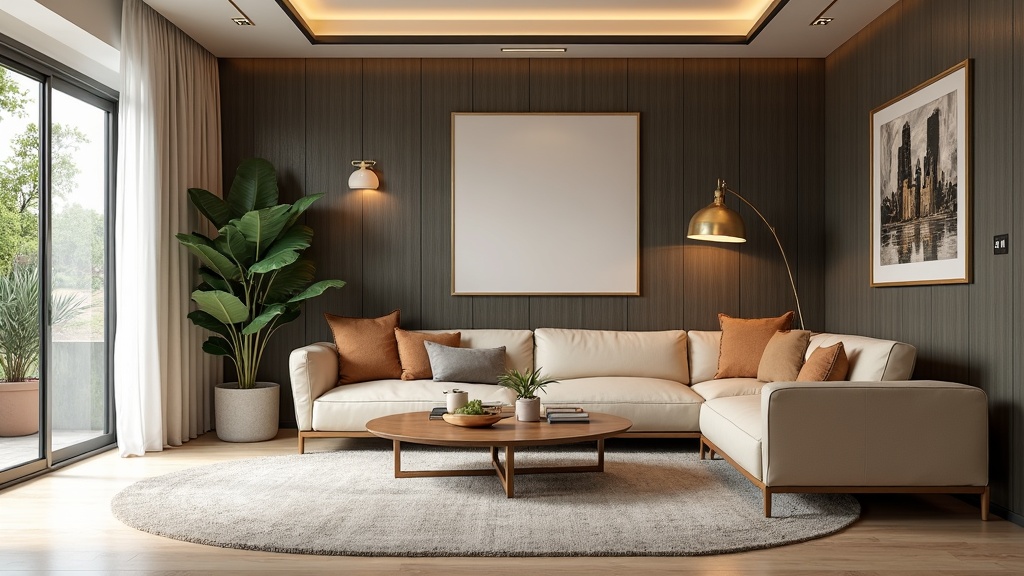
Architecture and Interior Design
Minimalism in architecture emphasizes clean lines, open spaces, and a focus on light. Architects like Tadao Ando and Richard Meier utilize materials such as concrete and glass to create designs that integrate with their surroundings.
The application of these principles in a home setting requires a clear understanding of space and light. Many homeowners look for ways to simplify their living areas through careful planning and structural changes. Working with professionals like V&L Architects helps people achieve a balance between modern aesthetics and practical needs. They focus on creating layouts that feel open and calm. This process often involves removing unnecessary walls or adding large windows to let in more sun. A well-designed house uses simple forms to make the daily experience better for the people who live there.
In interior design, the Neo-Minimalist approach favors uncluttered spaces and essential furnishings. This style often incorporates natural materials and neutral palettes, promoting a sense of tranquility.
Achieving this level of simplicity often requires people to make decisions about their personal belongings. Many items have sentimental value but do not fit into a minimalist home layout. Keeping these possessions in a quality storage center is a practical way to keep them safe without crowding the house. This setup lets homeowners keep their living spaces open and clean. It also gives them time to decide what they really need to keep in their daily lives.
Modern homeowners increasingly seek to extend this clean and calming aesthetic beyond interiors, incorporating similar principles into their outdoor spaces to create a cohesive living environment. In this regard, landscape design services can help translate minimalist concepts into functional and visually balanced exteriors through thoughtful layouts, natural elements, and purposeful planting. This integration reflects a broader shift toward harmonizing indoor and outdoor spaces while maintaining simplicity and elegance.
The Museum of Modern Art frequently showcases minimalistic architectural innovations, illustrating the style’s enduring impact on urban environments. This focus on functionality often extends to sustainable design practices.
Visual Art and Photography
In visual art, minimalist artists such as Donald Judd and Agnes Martin reduce forms to their essence. Their work often invites viewers to engage with materials and spatial relationships in new ways.
Photography has also adapted minimalist principles, with artists like Andreas Gursky creating large-scale images that highlight simplicity in composition. These works use negative space to emphasize the subject matter and elicit introspection.
Contemporary art often reflects minimalist influences, pushing boundaries while remaining rooted in simplicity. Artists blend various mediums, showcasing how minimalism continues to evolve.
The Ongoing Legacy
The legacy of minimalist art persists in contemporary design movements. Post-Minimalism builds on earlier principles, introducing a sense of narrative and context. This evolution still prioritizes simplicity, while allowing for more expressive forms.
Modern technology also plays a role in this legacy, with digital design embracing minimalist aesthetics. User interfaces increasingly favor streamlined designs, enhancing functionality.
As minimalism continues to inspire designers and artists alike, its core values resonate widely. The movement’s influence can be seen in everyday products and spaces, reflecting the timeless appeal of simplicity.