
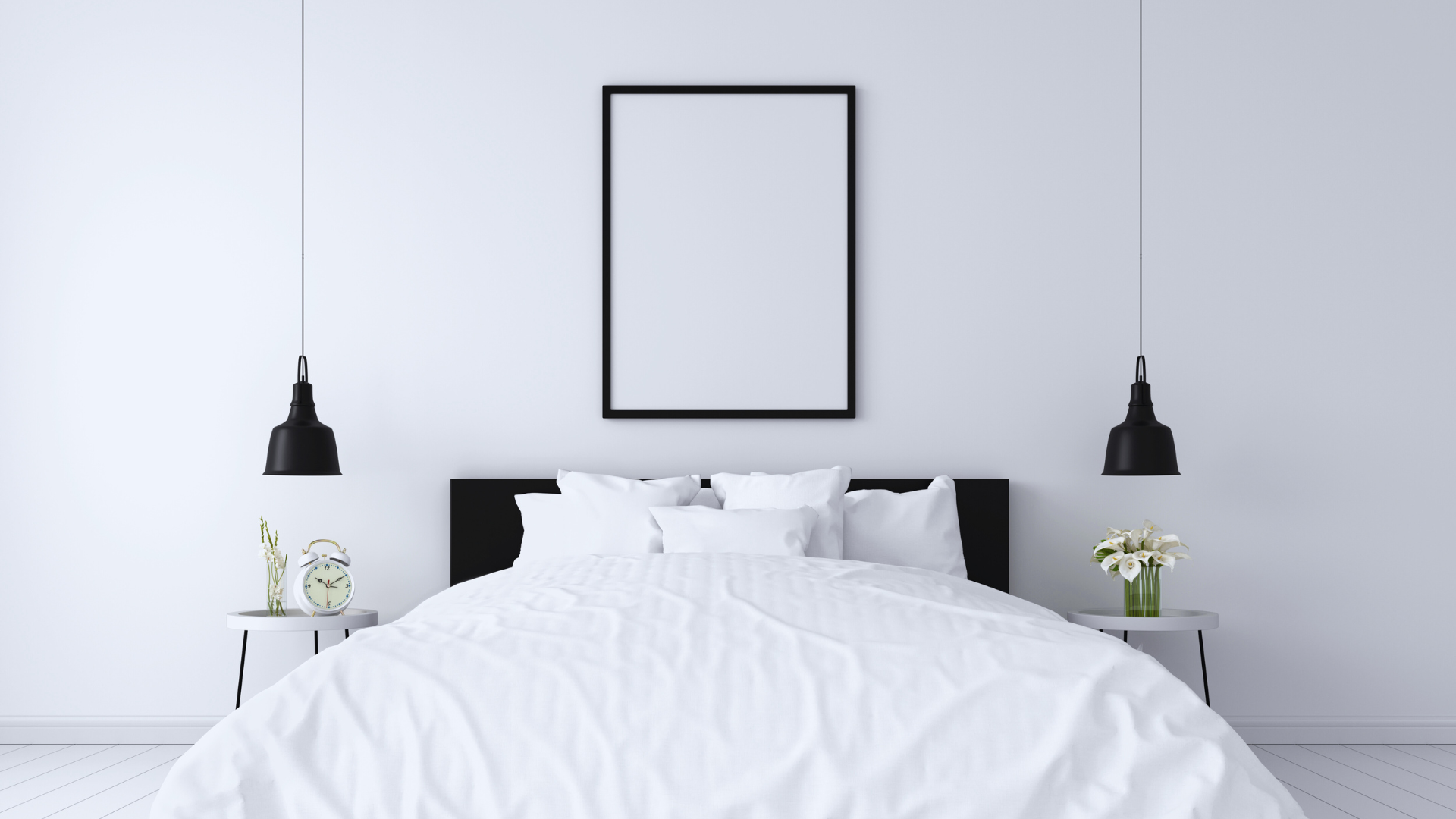
Incorporating minimalist art into home decor can transform a space while maintaining simplicity and style. Choosing pieces that emphasize clean lines and subtle color palettes allows for a harmonious blend of art and environment. This approach not only elevates the aesthetic appeal but also promotes a sense of calm and order.
Minimalist art pairs well with various interior design styles, making it a versatile choice. By carefully selecting artwork that resonates with personal taste, individuals can create focal points that draw the eye without overwhelming the senses. This art form encourages an appreciation for less, celebrating the beauty found in simplicity.
When implementing minimalist art, it’s essential to consider the placement and scale of each piece. Larger works can make a bold statement, while smaller pieces can be grouped to create visual interest. The right combination enhances the overall ambiance, inviting viewers to pause and reflect on the art’s understated elegance.
Foundations of Minimalist Art in Home Decor
Incorporating minimalist art into home decor relies on understanding its essence, choosing the right pieces, and effectively utilizing color and space. These foundations create a cohesive and tranquil environment that enhances the home’s aesthetic.
The Essence of Minimalism
Minimalism in art emphasizes simplicity and functionality. This approach strips away excess to highlight essential forms and colors. The focus is on clean lines and unembellished designs that allow art to speak for itself.
Minimalist art encourages an uncluttered environment. It can evoke feelings of calm and clarity, making it ideal for creating peaceful living spaces. The simplicity of minimalist decor fosters a sense of balance and harmony throughout the home.
Selecting Minimalist Art Pieces
Choosing the right minimalist art pieces is crucial. Homeowners should look for artworks that feature clean, geometric shapes and subdued colors. These elements contribute to a cohesive and serene atmosphere.
When selecting art, consider pieces that resonate personally. Whether it’s a stark black-and-white photograph or a subtle abstract painting, each choice should enhance the home’s overall aesthetic. Art should complement the space rather than dominate it.
Color Scheme and Negative Space
A neutral color palette is essential in minimalist decor. Shades of white, gray, and beige provide a calming backdrop that allows artwork to shine. These colors enhance the feeling of spaciousness and tranquility.
Negative space plays a significant role in minimalist design. It refers to the empty areas surrounding art pieces, allowing them to breathe. Effective use of negative space can draw attention and create a balanced composition.
Incorporating both color and negative space thoughtfully results in art that enhances the home’s decor without overwhelming it. This approach fosters a serene and inviting atmosphere that embodies the principles of minimalism.
Designing Your Space for Visual Impact
Creating a visually impactful space involves careful consideration of focal points, the incorporation of natural elements, and a balance between symmetry and asymmetry. Each of these aspects can enhance the minimalist aesthetic while establishing a harmonious environment.
Creating a Focal Point
A focal point draws attention and anchors the viewer’s gaze. This can be achieved through a bold piece of minimalist art, a striking furniture item, or even an architectural feature.
Tips for selecting a focal point:
- Choose a piece that contrasts with the surrounding decor.
- Ensure that it complements the overall color scheme.
- Position it at eye level for maximum visibility.
Incorporating lighting can also enhance the focal point. A spotlight or natural light exposure can make the focal element stand out more dramatically within the space.
Incorporating Natural Elements
Natural elements add warmth and visual interest while maintaining a minimalist vibe. Materials such as wood, stone, and plants can create a dynamic balance with minimalist art.
Ways to include natural elements:
- Use wood for furniture or decorative accents.
- Incorporate stone in features such as tabletops or wall art.
- Add plants for color and life without overwhelming the space.
Choosing plants with simple shapes and limited colors aligns well with minimalist aesthetics. This approach enhances the visual impact without clutter.
Balancing Symmetry and Asymmetry
Symmetry provides stability, while asymmetry can create movement and intrigue. A balanced approach incorporates both design principles, contributing to a dynamic yet cohesive space.
Strategies to achieve balance:
- Place artwork symmetrically above a sofa or console table.
- Use asymmetrical arrangements of furniture or decor to create interest.
- Employ similar colors or materials to tie various elements together.
This mix allows for visual variety while maintaining order. Careful placement of items can enhance one’s experience of space, drawing attention and inviting exploration in a minimalist setting.
Curating and Displaying Your Collection
Creating an environment that showcases minimalist art effectively requires attention to detail in curation and display. Proper planning ensures that each piece contributes to a unified aesthetic while enhancing the overall ambiance of the space.
Establishing a Cohesive Look
A cohesive look hinges on selecting artworks that share a common theme or color palette. This can include similar color schemes, styles, or even subject matter.
Tips for achieving cohesion:
- Choose a limited color palette across selected pieces.
- Consider the medium; paintings, prints, and photographs should complement one another.
- Incorporate various sizes, but keep a balanced visual weight among the pieces.
A curated collection reflects personal taste while remaining harmonious, transforming a room into a cohesive narrative.
Gallery Wall versus Standalone Pieces
Choosing between a gallery wall or standalone pieces significantly impacts the display.
Gallery Wall:
- Ideal for smaller spaces; it maximizes visual impact.
- Arrange artworks in a grid or salon style for interest.
- Use frames that harmonize in style and color.
Standalone Pieces:
- Best suited for larger walls that allow a single piece to stand out.
- Creates a focal point, drawing attention without distraction.
- Soft lighting can enhance the prominence of these pieces.
Selecting the right approach depends on available space and desired impact.
Lighting and Accents
Effective lighting enhances minimalist art, making colors and textures pop. Soft lighting can soften the overall look while highlighting specific features of each piece.
- Consider track lighting or wall sconces to direct attention.
- Use dimmers for adjustable ambiance, adapting to different times of day.
Adding simple accents like shelves or plant stands can create layers in the display without overwhelming the art.
Maintaining a minimalist approach in accents will keep the focus on the art itself while enhancing the overall aesthetic of the room.