
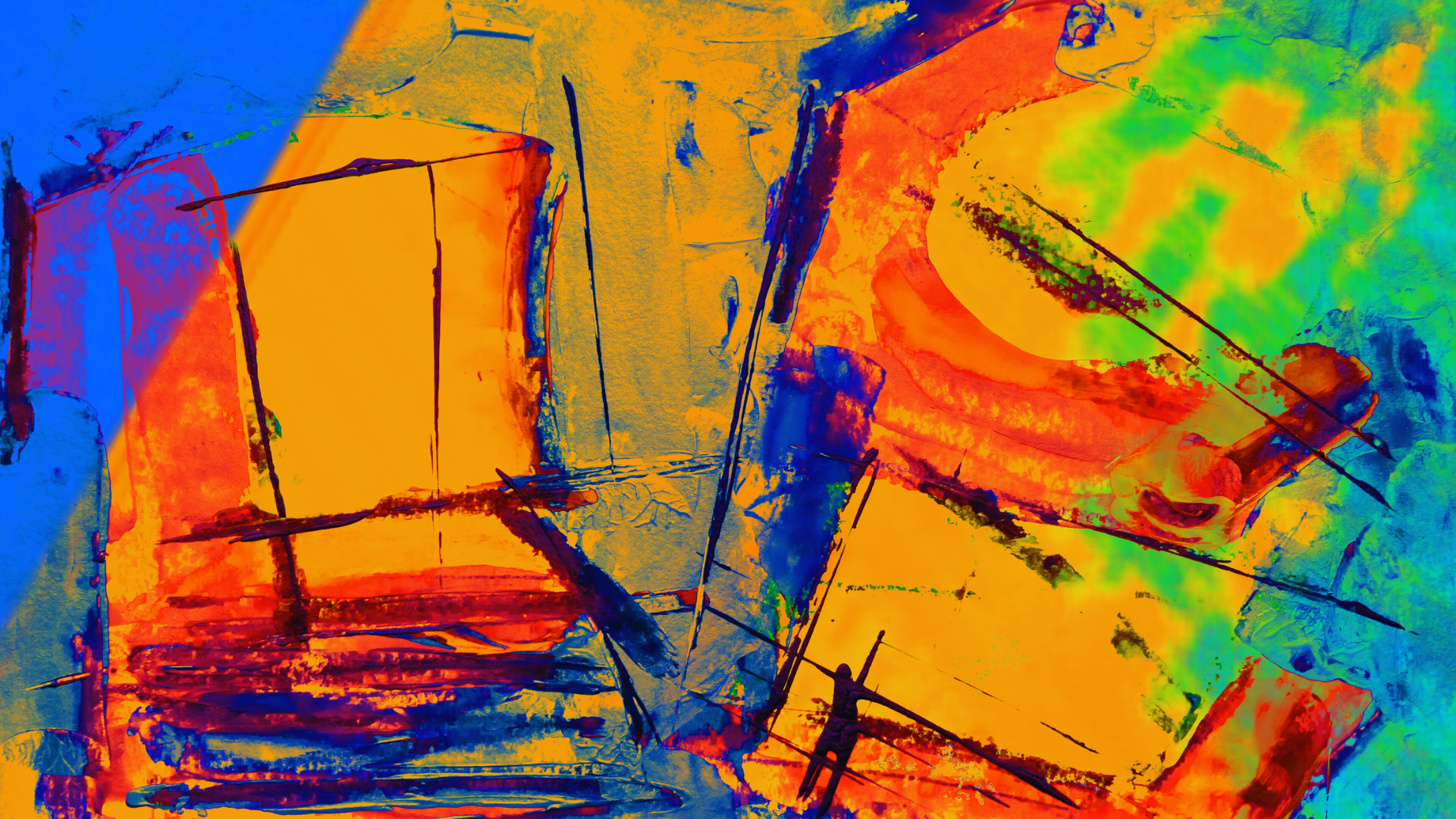
Exploring different artistic styles is essential for any creative journey. By experimenting with various techniques and mediums, artists can unlock new avenues for personal growth and expression. This process not only enhances their skills but also broadens their artistic perspective.
Artistic expression thrives on diversity, allowing creators to step outside their comfort zones. Trying out different styles encourages individuals to embrace their creativity and discover what resonates with them. Engaging with contrasting techniques can lead to unexpected inspirations that enrich their body of work.
Each experiment adds a unique layer to an artist’s practice and contributes to their ongoing development. Embracing the unknown can be challenging, but it ultimately fuels their passion and leads to fresh insights. Every artist holds the potential to evolve through new experiences, transforming their artistic journey.
Fostering an Experimental Mindset
An experimental mindset is essential for artists seeking growth and innovation. By embracing failures, finding inspiration, and setting clear goals, artists can navigate their creative journeys effectively.
Embracing Failure as a Learning Tool
Failure is a crucial aspect of experimentation. Instead of viewing it negatively, artists should recognize failure as an opportunity for growth.
- Reflect on Mistakes: After a failed attempt, analyze what went wrong. This reflection can reveal significant insights.
- Iterative Process: Embrace the concept of iteration. Each failure brings the artist closer to success by refining their technique or approach.
By allowing space for mistakes, artists can explore new styles without the fear of judgment, leading to self-discovery and enhanced creativity.
Finding Your Inspiration
Inspiration can come from a variety of sources. Artists should actively seek out ideas that resonate with them.
- Diverse Experiences: Explore different art forms, cultures, and mediums. This exposure can spark unexpected creativity.
- Nature and Surroundings: Simple observations in everyday life can serve as powerful catalysts for artistic expression.
Keeping a sketchbook or a digital collection of inspiring visuals and ideas helps artists enhance their creativity and develop a personal style.
Setting Artistic Goals
Clear goals provide direction for artistic exploration. They can help maintain focus and measure progress.
- Short-Term vs. Long-Term: Establish specific short-term objectives that lead to broader long-term aspirations. For instance, mastering a new technique can be a short-term goal that contributes to developing a unique style.
- Regular Review: Consistently reassess goals. This process ensures that they remain aligned with the artist’s evolving vision.
By setting and reviewing goals, artists can cultivate a productive practice that encourages ongoing experimentation and creativity.
Exploring Artistic Styles and Movements
Engaging with artistic styles and movements provides valuable insights into creativity. Through historical context, contemporary practices, and the techniques of established artists, individuals can expand their own artistic expressions.
Studying Historical Art Movements
Art history showcases diverse movements that reflect cultural and societal changes. Significant periods include the Renaissance, where artists like Leonardo da Vinci emphasized realism and perspective. Impressionism focused on light and color, with artists such as Claude Monet capturing fleeting moments.
Other movements like Surrealism explored the unconscious mind through dream-like imagery, while Expressionism emphasized emotional experience. Understanding these movements helps artists identify techniques, themes, and underlying philosophies that can inspire their work. Active exploration of these styles can inform and enhance one’s own artistic journey.
Contemporary Styles and Digital Art
Contemporary art incorporates various styles, including Pop Art, which critiques consumer culture through vibrant imagery. Artists like Andy Warhol exemplify this trend. Digital art has revolutionized the creation process, allowing artists to explore new techniques and tools.
Platforms like Procreate and Adobe Photoshop enable unique expressions and the blending of traditional and modern techniques. Artists can experiment with animation, interactive installations, and digital painting, expanding the boundaries of visual representation. Engaging with these contemporary styles opens avenues for innovation in creative expression.
Learning from Established Artists
Observing and analyzing the work of established artists can provide valuable lessons. Artists such as Pablo Picasso and Frida Kahlo offer distinct approaches to color, form, and subject matter. Studying their techniques can reveal methods for conveying emotions and ideas.
It is beneficial to attend workshops, watch tutorials, or read biographies to gain insights into their processes. Engaging with mentorship or networking opportunities can further enhance learning. By understanding the journeys and techniques of established artists, individuals can enrich their own artistic practice.
Developing Technical Skills and Experimentation Techniques
Building a strong foundation in technical skills is essential for artists looking to explore various styles. This section highlights important traditional and digital techniques, as well as ways to incorporate innovative ideas into artistic practice.
Traditional Art Techniques
Mastering traditional art techniques underpins a successful exploration of styles. Fundamental skills such as drawing and painting form the core of artistic expression.
- Line work is crucial for defining shapes and forms. Artists can practice with techniques like stippling or pointillism to create texture through dots.
- Color palettes play a significant role in mood and composition. Experimenting with warm and cool colors can alter the perception of a piece.
- Techniques like wash and impasto allow for varied applications of paint, offering dimensionality. Glazing can enhance colors, while acrylics and gouache provide unique properties to test.
Engaging with mixed-media approaches broadens possibilities, providing new ways to layer images and textures.
Digital Tools and Techniques
Digital platforms offer vast opportunities for experimentation. Programs like Adobe Photoshop and Procreate allow artists to manipulate elements easily.
- Artists can utilize layering to separate different aspects of their work. This not only helps with composition but also with adjustments to colors and shapes.
- Brush tools emulate traditional techniques, offering effects like blending and precision similar to traditional media.
- Texture can be added digitally through various filters and effects, encouraging new ways to visualize and integrate styles.
Moreover, learning about digital canvasing can lead to innovations in composition and illustration.
Incorporating New Ideas and Methods
Experimentation involves constantly integrating new ideas and methods into existing skill sets.
- Regularly observing contemporary art can inspire fresh concepts. Attending workshops or collaborating with other artists encourages creativity and new perspectives.
- Art challenges and prompts can stimulate out-of-the-box thinking. These exercises push one to explore unfamiliar materials or themes.
- Keeping a sketchbook for daily experimentation allows for iterative development of styles and techniques. Artists can document their journey and reflect on the evolution of their work over time.
Trying unorthodox approaches, such as altering traditional media or mixing styles, fosters growth and innovation in artistry.
Showcasing and Reflecting on Your Work
Presenting art is as crucial as the creation process itself. It enables artists to communicate their unique voice and emotional expression while receiving feedback to foster growth.
Creating a Diverse Portfolio
A well-rounded portfolio is essential for creative expression. It should encompass various artistic styles and mediums, showcasing versatility. Including pieces from different genres, such as photography, mixed media, and traditional methods, can highlight an artist’s diverse skills.
Artists should also ensure their portfolio reflects their artistic identity. For instance, they can group works that tell a story or convey a particular emotion. Utilizing clear labeling—titles, mediums used, and dates—can enhance understanding and evocation in the viewer.
Utilizing Feedback for Artistic Growth
Gathering feedback is a vital component of artistic development. Artists can seek critiques from peers, mentors, or online communities that share their interests. Constructive criticism helps in recognizing strengths and areas for improvement.
Incorporating feedback allows artists to refine their signature style and to expand their techniques. Keeping track of the suggestions received, either in a notebook or digitally, helps artists reflect on their growth over time. They can then identify patterns in feedback and make informed decisions moving forward.
Exhibiting Work in Galleries and Online Platforms
Exhibiting artwork in galleries can significantly boost visibility. Local spaces often welcome emerging artists and can provide a supportive community. When showcasing art in galleries, attention to presentation is key: framing, lighting, and overall aesthetics should align with the artist’s message.
Online platforms also serve as powerful tools for exhibition. Artists can create websites or utilize social media to reach broader audiences. Regular posting and engagement with followers fosters a community around their work. Through digital means, artists can tell their stories, enhancing emotional connection to their art.