
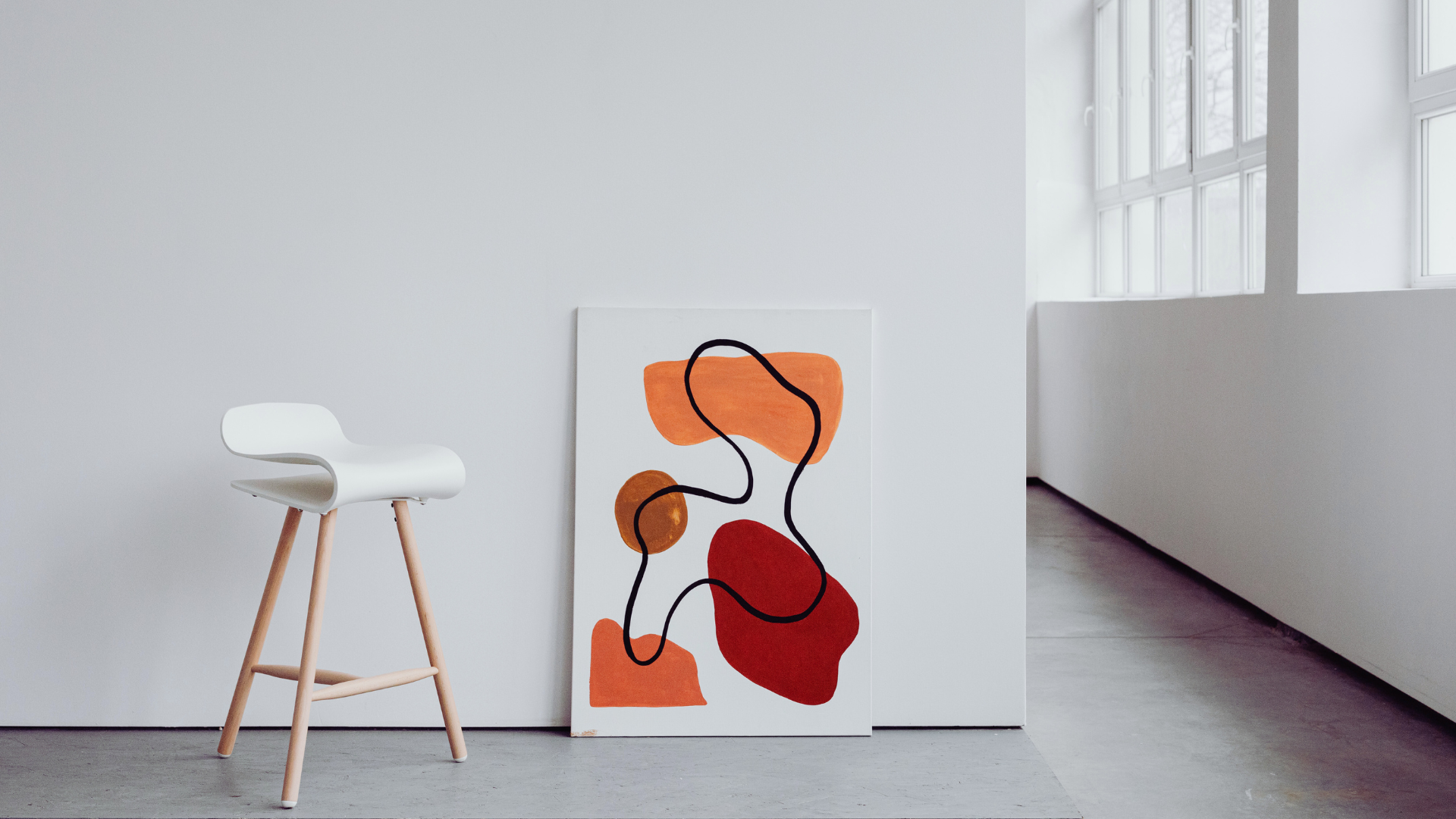
Creating powerful art doesn’t require an extensive collection of materials or complex techniques. Instead, it relies on focusing on essential elements like composition, contrast, and emotion. By limiting resources, artists often sharpen their creativity and communicate more effectively.
Many successful pieces demonstrate that less can be more, encouraging artists to concentrate on deliberate choices rather than abundance. This approach not only reduces distraction but also emphasizes the core message the artwork conveys.
Understanding how to balance simplicity with impact allows artists to produce meaningful work without overcomplicating the process. This mindset shifts the focus toward intention and clarity, which are vital in creating memorable art.
Foundations of Powerful Art with Less
Powerful art with less depends on intentional choices and a clear focus. It requires appreciating the value of each element and understanding how reduction can enhance meaning and impact.
The Principles of Minimalism in Art
Minimalism in art strips work down to essential components, avoiding complexity and unnecessary details. It relies on clean lines, limited color palettes, and simple shapes. This approach encourages viewers to engage deeply with what remains, highlighting form, space, and composition.
Artists practicing minimalism focus on balance, harmony, and the absence of clutter. Each element must serve a purpose, contributing to the whole without distraction. Minimalist art challenges viewers to find meaning beyond the obvious and appreciate subtlety.
Embracing the Less Is More Philosophy
The “less is more” philosophy prioritizes quality over quantity. It teaches artists to eliminate anything extraneous that does not enhance the artwork’s core message. This mindset fosters clarity and precision in creative decisions.
By embracing this philosophy, artists achieve stronger visual communication. They refine their ideas to essentials, allowing the viewer to connect more directly. This discipline often requires restraint and thoughtful editing of materials and details.
The Impact of Simplicity
Simplicity in contemporary art creates space for reflection and interpretation. Without visual noise, viewers focus on the work’s fundamental elements and emotional resonance. Simple art can evoke powerful responses through its understatement.
Furthermore, simplicity encourages longevity and versatility in art. Minimalist aesthetic is adaptable, often transcending trends and cultural shifts. This enduring quality helps art maintain relevance and strength over time.
Key Elements and Techniques in Minimalist Art
Minimalist art relies on precise visual decisions that emphasize essential forms and subtle interplay. Artists use strategic space, strict color choices, and deliberate structure to create impact without visual clutter.
Utilizing Negative Space
Negative space is the empty or unoccupied area surrounding the primary subject in a work. Effective use of negative space allows minimalist paintings to breathe and highlights the subject, making it more prominent.
In minimalist design, negative space is not just a background; it serves as a key compositional tool. It balances elements, prevents overcrowding, and adds elegance. Properly managed negative space can suggest form and depth without additional detail.
The Role of Geometric Shapes
Geometric shapes like circles, squares, and triangles form the foundation of many minimalist paintings. Their simplicity and precision convey clarity and structure.
Artists use these shapes to construct visual harmony and rhythm. Geometric forms guide the viewer’s eye and reinforce the artwork’s message with minimal elements. Repetition and variation in shape, size, or placement add interest without complexity.
Mastering a Limited Color Palette
Minimalist art favors a small number of colors, often monochromatic or utilizing just two to three hues. This restraint focuses attention and reduces visual noise.
Choosing colors with high contrast enhances clarity, while subtle shades add nuance. A limited color palette can evoke strong emotional responses by relying on tone and saturation rather than variety.
Minimalist Compositions
Minimalist compositions emphasize balance through asymmetry, alignment, and proportion. The arrangement of elements is simple but deliberate to maintain visual interest.
Artists avoid unnecessary details, focusing on essential shapes and colors. The empty space around these elements is as important as the elements themselves, creating a cohesive and purposeful design.
Influential Minimalist Artists and Their Contributions
Minimalist art emphasizes simplicity and clarity, stripping away excess to focus on form, color, and space. Key artists developed distinct approaches that shaped the movement and redefined sculpture, painting, and installation.
Donald Judd’s Expansive Simplicity
Donald Judd is known for pioneering three-dimensional minimalist sculpture. He rejected traditional representation, focusing on geometric forms and industrial materials like steel and aluminum. His work emphasizes repetition and space, using modular units to create precise, orderly compositions.
Judd’s pieces often appear as simple boxes or stacks but engage with the surrounding environment through scale and precision. His insistence on clarity avoids metaphor and symbolism, pushing minimalist artwork into a concrete physical presence. This approach challenged abstract expressionism’s emotional intensity by prioritizing objective form.
Agnes Martin’s Spiritual Minimalism
Agnes Martin’s minimalist paintings offer a contrast through delicate grids and lines. Her work invokes a quiet, meditative quality, emphasizing subtlety over harsh geometry. She sought to express spirituality and emotion via understatement, focusing on inner experience rather than external representation.
Martin’s compositions use muted colors and repetitive patterns to create a sense of calm and order. Unlike abstract expressionism’s dramatic brushstrokes, her art relies on restraint and subtle variation, reflecting a deeply personal minimalist approach that connects minimalism with transcendence.
Dan Flavin’s Innovative Approach
Dan Flavin transformed minimalist sculpture with his use of fluorescent light fixtures. His installations explore space and perception through the controlled use of colored light, often arranged in simple geometric configurations. Flavin’s work integrates industrial materials but redefines them as a medium of sensory experience.
By manipulating light and shadow within architectural spaces, Flavin created immersive environments that challenge how viewers perceive minimalism. His art contrasts with abstract expressionism by focusing on artificial, manufactured elements rather than raw, emotional gestures. This innovation expanded the boundaries of minimalist artwork.
Applying Minimalism: Creating Impactful Art
Minimalist art relies on restraint, focusing on essential forms and elements to generate strong visual statements. It demands precise choices that balance simplicity with meaning for effective emotional and intellectual engagement.
Crafting Unique Minimalist Paintings
Creating minimalist paintings requires reducing the composition to core shapes, colors, and textures without losing the piece’s essence. Artists select limited palettes—often monochromatic or two-tone—to emphasize space and form.
Negative space plays a critical role, allowing simplicity to breathe and drawing attention to subtle details that might otherwise be overlooked. Techniques often involve clean lines and geometric precision, reflecting intentionality.
This approach demands discipline; every stroke should have purpose. Avoiding clutter increases clarity, enabling minimalist paintings to evoke powerful responses through minimal visual vocabulary.
Personal Interpretation and Viewer Connection
Minimalist paintings invite viewers to impose their own experiences and emotions on the art. The absence of an explicit narrative creates room for multiple interpretations.
By stripping elements down, the work acts as a catalyst for reflection, asking viewers to engage actively rather than passively receiving a fixed message. This personal connection is often more intimate and lasting.
Minimalist art’s restraint enhances this bond. The viewer’s mind fills gaps in meaning, deepening the impact of the visual interaction beyond what is literally depicted.
Integrating Minimalist Aesthetics in Contemporary Practices
Contemporary art incorporates minimalist principles to simplify complex ideas and improve clarity. Artists mix minimalist elements with modern mediums like digital art, installation, and mixed media.
The focus remains on reducing distraction and emphasizing form, texture, or concept rather than ornamental detail. This integration allows minimalist aesthetics to adapt and remain relevant.
Many contemporary minimalist paintings blend traditional techniques with innovation, preserving minimalism’s core values while exploring new visual languages. This versatility ensures minimalist art continues to influence contemporary art across styles and disciplines.