
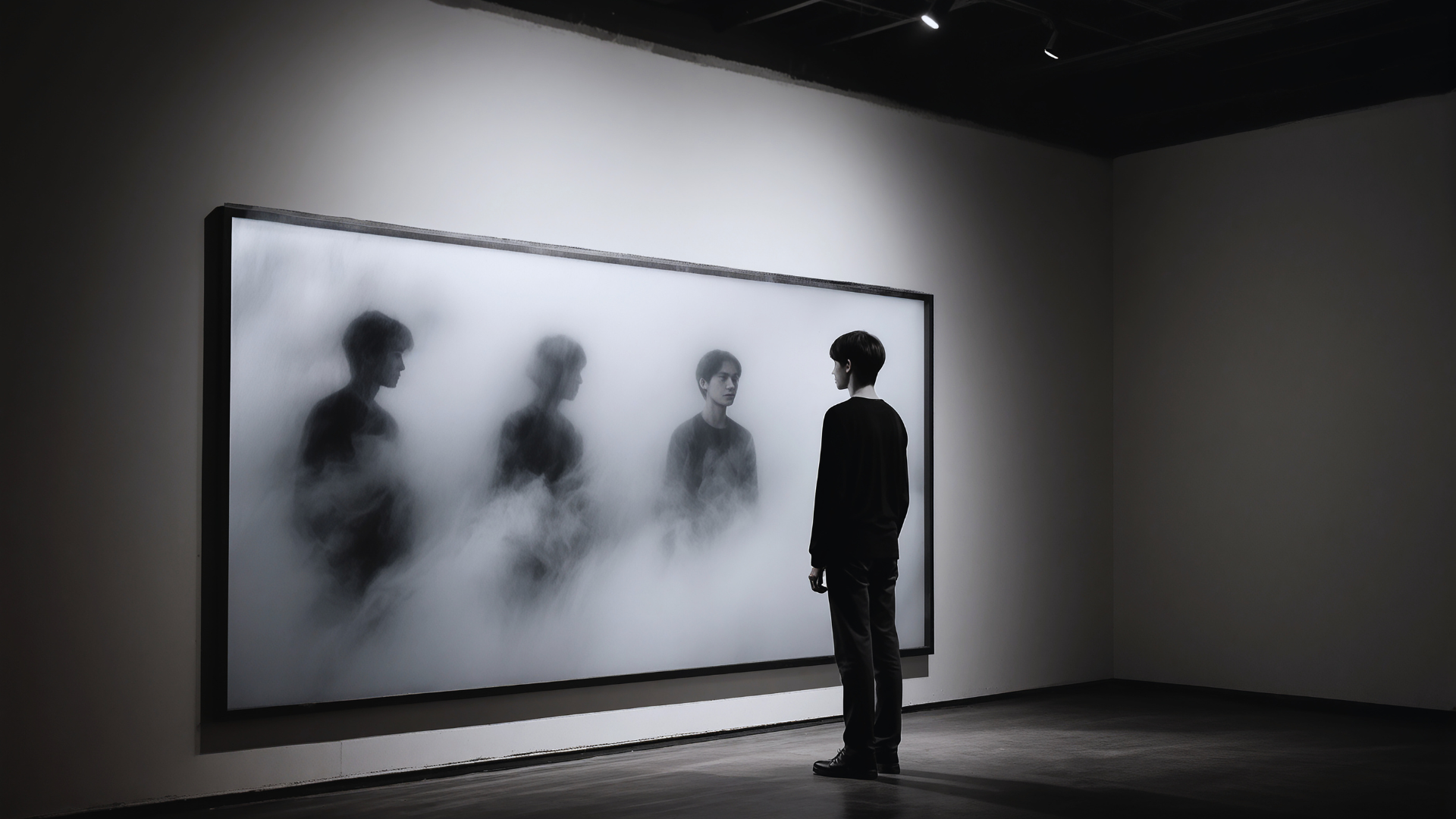
Creating art that communicates clearly requires intentional simplicity. The key is to focus on a single message and remove any elements that do not support it. This clarity helps the viewer understand the artist’s intent without distraction.
Artists achieve this by using deliberate composition, limited color palettes, and thoughtful negative space. Each choice should serve the overall meaning rather than add unnecessary details.
When done well, minimalism in art enhances communication, allowing the core idea to emerge strongly. This approach demands discipline but results in work that resonates more deeply with its audience.
Core Principles of Communicative, Clutter-Free Art
Creating art that clearly conveys its message requires focus on essential elements while avoiding unnecessary distractions. This involves understanding how simplicity works visually, balancing personal expression with restraint, and differentiating clutter from meaningful details.
The Essence of Visual Simplicity
Visual simplicity is about reducing elements to their most essential forms without losing the core message. Art that uses minimal shapes, colors, and lines tends to direct the viewer’s attention clearly. Simplifying the composition prevents the eyes from wandering aimlessly.
Decluttering is central to this process. Removing redundant or decorative elements that do not serve the artwork’s purpose makes the main theme more prominent. Artists must ask if each component adds value or just fills space.
Using negative space effectively also enhances clarity. It provides breathing room, making key subjects stand out. Simple color palettes or limited textures contribute to a cohesive and digestible visual experience.
Balancing Expression and Minimalism
Art must communicate clearly while still expressing the creator’s intent. Achieving this balance requires selective inclusion of emotional or stylistic details. Too much minimalism can feel cold, while too much detail can overwhelm.
Artists should prioritize which emotions or messages to amplify and which ones to tone down. Each added detail should serve a communication goal rather than mere decoration. This approach avoids clutter and maintains impact.
Techniques like controlled brush strokes or focused imagery guide the viewer’s interpretation without overwhelming. Minimalist design can coexist with expressive techniques when they target clarity rather than complexity.
Defining Clutter Versus Intentional Detail
Clutter obscures meaning through excess; intentional detail enhances communication by reinforcing it. Clutter often results from unresolved ideas or hesitation in decision-making by the artist.
Intentional detail is purposeful and chosen with the viewer’s understanding in mind. It clarifies or supports the main visual narrative, rather than competing with it. Each detail has a clear function or symbolism.
To identify clutter, artists can use questions like: “Does this element support the message?” or “Would removing this improve focus?” This reflective process helps maintain a clean and effective composition with deliberate complexity where needed.
Transforming Your Creative Space for Clarity
A clear, creative space supports focused work and minimizes distractions. Thoughtful arrangement and regular maintenance of the area help maintain flow and boost creative energy.
Organizing Supplies for Inspiration
Organizing art supplies by type and frequency of use creates easy access and reduces decision fatigue. Tools like labeled containers, drawer dividers, or pegboards keep materials visible and orderly.
Grouping essentials for ongoing projects together ensures quick retrieval and encourages continuity. Minimalism in supply choice prevents clutter from overwhelming the workspace. Clean, organized storage supports mental clarity and fosters inspiration.
Creating Designated Work Areas
Separating zones for different tasks, such as sketching, painting, and drying, prevents mix-ups and damage. Each area should have appropriate tools and lighting to optimize productivity.
Clear boundaries reduce visual noise and help the artist mentally transition between stages of work. A dedicated desk for detailed work and a table for broad strokes promote efficiency. This focused arrangement channels creative energy effectively.
The Role of Regular Tidying Up
Frequent tidying keeps the environment functional and inviting. Setting a short, daily cleanup routine prevents clutter buildup, which can hinder creative flow. Removing unnecessary items at the end of each session primes the space for future projects.
Tidying also offers a moment to reassess supply needs and reorganize as projects evolve. Maintaining order conserves creative energy by reducing distractions and streamlining work processes.
Techniques to Minimize Visual Noise in Artworks
Reducing clutter in art requires clear decisions about spacing, color, hierarchy, and focus. Each element works together to guide the viewer’s eye and maintain the work’s creative energy without overwhelming it.
Effective Use of White Space
White space, or negative space, is a crucial tool to provide breathing room around elements. It prevents overcrowding and helps define boundaries between objects. Proper use of white space improves readability and emphasizes key parts of the artwork.
Artists should avoid filling every area with detail. Instead, they should strategically leave blank spaces to enhance clarity. This balance makes compositions feel organized and intentional. Too little white space adds unnecessary noise and reduces the impact.
Choosing Harmonious Color Palettes
Selecting a limited and harmonious color palette helps maintain visual coherence. Colors that clash or compete create confusion and distract the viewer. Coordinated hues and consistent saturation levels support mood without adding chaos.
Artists should focus on palettes with complementary or analogous colors. Using 3 to 5 main colors generally works well. They can use accent colors sparingly to draw attention without overwhelming the entire artwork. Thoughtful color choices sustain creative energy while reducing distraction.
Establishing a Clear Visual Hierarchy
A clear visual hierarchy guides the viewer’s attention in a logical order. This can be achieved by varying size, contrast, and placement among elements. Hierarchy ensures that important areas stand out and less critical parts recede.
The artist should design with intentional emphasis—larger shapes, bolder colors, or sharper edges signal importance. Consistent alignment and grouping also support hierarchy. Without it, artwork appears cluttered and directionless, weakening communication.
Selecting Impactful Focal Points
Focal points anchor the composition and focus the viewer’s attention immediately. They help distill complex visuals into simple, understandable messages. A well-chosen focal point reduces confusion and enhances engagement.
An artist creates focal points using contrast, detail, or position. Isolation from other elements intensifies the impact. Effective focal points work closely with the established hierarchy and color palette to convey meaning efficiently.
Mindset and Rituals to Sustain Minimalism in Your Art Practice
Sustaining minimalism in art demands consistent habits that reduce distractions and protect creative energy. It also requires methods to keep motivation steady and to manage inevitable moments of creative disorder with clarity.
Embracing Decluttering as a Creative Habit
Decluttering is more than tidying physical space; it is refining the artist’s mental and emotional landscape. Regularly removing unnecessary materials, tools, and ideas prevents overwhelm and keeps focus sharp.
Setting a daily or weekly routine for clearing the workspace helps maintain simplicity. This practice makes it easier to approach new projects without baggage from past clutter.
Visual clarity in the studio mirrors clarity in the artwork itself. Minimal environments promote more deliberate choices in color, form, and composition.
Maintaining Motivation Beyond the Studio
Artists need strategies to renew motivation outside active creation times. Rituals such as journaling progress or reflecting on achievements sustain consistent effort.
External inputs like nature walks or visiting galleries can recharge creative energy without demanding output. These moments replenish inspiration and reduce burnout risk.
Setting small, clear goals encourages forward movement. Checking tasks off a list provides tangible proof of progress, fostering a sense of accomplishment.
Navigating Creative Chaos with Intention
Creative chaos is inevitable but manageable with intentional structures. Using tools like mind maps or sketches can help organize raw ideas before execution.
Allowing limited periods for free exploration prevents unproductive messiness. Timed sessions keep the process disciplined while preserving spontaneity.
Balancing flexibility with order ensures chaos does not become clutter. Intentional pauses to reassess the work help maintain alignment with minimalist principles.