
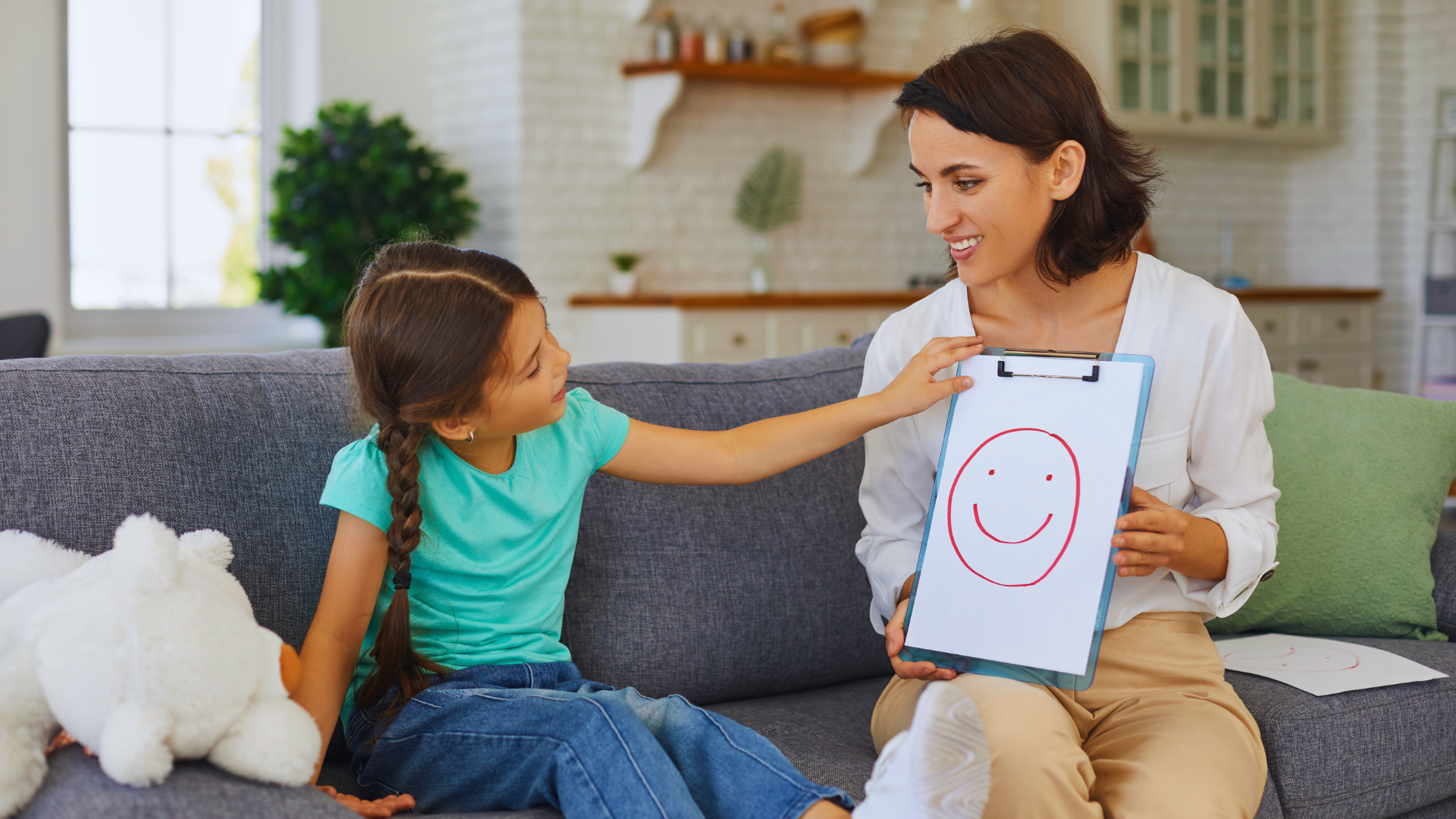
Art therapy is a powerful tool that utilizes creative expression to support mental health and emotional well-being. It offers individuals a safe space to explore their feelings, process experiences, and gain insights that may be difficult to articulate otherwise. Through various artistic methods, participants can confront and manage emotions, leading to improved mental resilience.
Many people struggle with stress, anxiety, and depression, finding traditional therapeutic approaches challenging. Art therapy addresses these obstacles by encouraging self-expression and reflection. The creative process can facilitate healing, making it easier for individuals to communicate their thoughts and feelings without the constraints of language.
Engaging in art therapy can foster a sense of accomplishment and promote self-discovery. It enables individuals to visualize their emotions, helping them better understand their mental landscape. By integrating art into therapy, one can enhance emotional well-being and pursue a healthier, more fulfilling life.
The Foundations of Art Therapy
Art therapy combines artistic expression with psychological theory to promote emotional well-being. It utilizes the creative process, self-expression, and mindfulness as therapeutic tools that lead to healing.
Understanding Art Therapy and Mental Health
Art therapy is a recognized therapeutic approach that integrates art-making into the therapeutic process. It allows individuals to explore their feelings through creative expression, facilitating a deeper understanding of their emotions.
Research in neuroscience shows that engaging in creative activities can enhance mental health by improving emotional regulation. This approach can be particularly effective for individuals who find verbal communication challenging, allowing them an alternative means of expressing their thoughts and experiences.
Benefits of Creative Process and Self-Expression
The creative process in art therapy fosters self-expression and individuality. By creating art, individuals can visually communicate complex emotions and experiences that may be difficult to articulate.
This form of expression can lead to greater self-awareness and insight. Participants often report feeling a sense of relief and empowerment after expressing their inner thoughts through various artistic mediums, including painting, drawing, and sculpture.
Moreover, engaging in these creative processes stimulates neural pathways associated with emotional regulation and resilience.
Art as a Tool for Mindfulness and Healing
Art therapy promotes mindfulness by encouraging individuals to focus on the present moment during the creative process. This practice can serve as a grounding technique, reducing anxiety and fostering emotional regulation.
Through art, individuals may enter a flow state, which enhances relaxation and promotes healing. The act of creating provides a safe space for exploring thoughts and feelings, leading to a sense of accomplishment and emotional release.
Additionally, art therapy can address trauma by allowing individuals to process painful memories in a non-threatening manner, contributing to overall psychological healing.
Art Therapy Techniques and Applications
Art therapy employs a variety of techniques and approaches designed to enhance emotional well-being. This section explores specific therapeutic modalities, innovations in digital art therapy, and the applications of art therapy across different care settings.
Various Therapeutic Modalities
Art therapy incorporates several techniques to facilitate emotional expression and processing. Common modalities include:
- Painting and Drawing: These allow individuals to express feelings visually, often revealing emotions that may be difficult to verbalize.
- Collage and Mixed Media: Combining various materials encourages creativity and can help participants explore their identities and experiences.
- Sculpture and Clay Work: These techniques offer tactile experiences, which can be grounding and help release pent-up emotions.
Art therapists select modalities based on clients’ needs, preferences, and goals. Individual or group settings are utilized to encourage engagement and social interaction, promoting a deeper understanding of personal experiences.
Digital Art Therapy Innovations
The rise of technology has led to innovative approaches in art therapy. Digital art therapy includes:
- Digital Drawing Applications: These allow clients to create art on tablets or computers, making art accessible wherever they are.
- Virtual Reality (VR): This immersive platform enables users to explore their emotions in a safe, controlled environment, promoting healing.
- Online Therapy Sessions: Providing access to clients who may not be able to attend in-person sessions, connecting them with trained art therapists.
These advancements increase accessibility, allowing individuals to engage with art therapy even from the comfort of their homes, fostering emotional well-being in a modern context.
Applications in Different Care Settings
Art therapy has diverse applications in various care settings, enhancing emotional health across the lifespan. Key areas include:
- Healthcare Facilities: Used for patients dealing with chronic illness, art therapy helps them express fears and hopes, contributing to their healing journey.
- Schools: It supports children facing behavioral challenges or learning difficulties, offering them a non-verbal outlet for self-expression.
- Rehabilitation Centers: Individuals recovering from substance abuse find comfort in creative arts, aiding in coping and rebuilding self-esteem.
Each setting tailors its approach to meet the specific needs of its participants, ensuring art therapy remains relevant and impactful.
Advancing Emotional Well-being Through Art Therapy
Art therapy provides a unique avenue for individuals to explore and express emotions. It fosters emotional healing, enhances resilience, and supports personal growth through creative processes.
Trauma Recovery and Emotional Growth
Art therapy has shown effectiveness in trauma recovery. By engaging in creative expression, individuals can process traumatic experiences and reconstruct their emotional narratives.
Art helps to externalize feelings that may feel overwhelming. Through various mediums, participants can reflect on their emotions, leading to insights and a sense of empowerment.
This process often facilitates emotional growth. As individuals articulate their experiences, they can develop healthier coping mechanisms. Art therapy can be especially beneficial for those with anxiety and depression, offering a safe space for exploration.
Developing Resilience and Emotional Regulation
Resilience development is another vital aspect of art therapy. Engaging in creative activities encourages individuals to confront emotional challenges. This practice helps enhance emotional regulation skills.
Participants learn to recognize their feelings and express them constructively. Techniques such as mindfulness, often incorporated into art therapy, further foster self-awareness.
Through art, individuals can practice patience and persistence, crucial components of resilience. This growth can lead to better handling of stress and improved overall emotional well-being.
Art Therapy for Specific Conditions
Art therapy has proven beneficial for various conditions, including ADHD, autism, dementia, and more. For individuals with ADHD, art can improve focus and encourage impulse control. However, it is worth noting that when symptoms significantly disrupt daily functioning, adults may benefit from combining creative outlets with adhd treatment that may include professional evaluation, structured support, and personalized strategies to manage attention and behavior more effectively.
In the case of autism, creative expression offers pathways to communicate feelings that may be difficult to verbalize. This form of therapy encourages social interactions in a non-threatening environment.
For those dealing with dementia, art therapy stimulates memory and promotes connections to past experiences. Through these tailored approaches, art therapy supports targeted emotional healing and enhances quality of life across diverse populations.
Evaluating the Impact of Art Therapy
Art therapy plays a significant role in enhancing emotional well-being. Evaluating its impact involves understanding its effectiveness, the transformative nature of creating art, and exploring future directions for research.
Effectiveness and Therapeutic Goals
Art therapy has been shown to support emotional expression and self-awareness. Research indicates that individuals engaging in art therapy often achieve specific therapeutic goals, such as reducing anxiety and improving mood. Evidence-based practices demonstrate how creative activities facilitate communication, making it easier for clients to express feelings that may be difficult to articulate verbally.
The effectiveness of art therapy can be measured through various methodologies, including qualitative interviews and quantitative assessments. These methods help clinicians assess clients’ progress concerning established therapeutic objectives.
The Transformative Power of Art
Art possesses a unique ability to foster personal transformation. It allows individuals to explore their emotions and experiences visually, often leading to profound insights about themselves. This creative process can serve as a coping mechanism for stress, trauma, and mental health disorders.
By creating art, individuals can gain new perspectives on their challenges. Engaging in this process promotes resilience and builds a sense of empowerment. Clients frequently report that art therapy helps them process their experiences in a constructive manner, fostering a deeper connection with their emotional states.
Future Directions in Art Therapy Research
The field of art therapy is evolving, with ongoing research aimed at uncovering its benefits and applications. Future studies may focus on large-scale trials to establish more comprehensive evidence of its effectiveness across diverse populations.
Exploring the integration of art therapy within psychiatry can enhance treatment plans and approaches. Investigating the neurobiological aspects of art-making may yield insights into how these creative activities influence brain function and emotional regulation.
Continued research could further validate art therapy as a critical component of holistic mental health care, ensuring its place as a vital therapeutic option for those in need.