
Art has evolved through various styles and movements, each reflecting the cultural and historical context of its time. Understanding these different art styles offers insight into the motivations of artists and the societal influences that shaped their work. From impressionism to abstract expressionism, each style has distinct characteristics that set it apart.
Throughout art history, movements have emerged in response to the environments and philosophies of their eras. Artists like Vincent van Gogh and Pablo Picasso revolutionized how art was perceived, breaking away from traditional forms to express personal and emotional depth. These shifts provide a rich narrative that can enhance appreciation for the visual arts.
Exploring these diverse art styles not only deepens appreciation for individual pieces but also connects viewers with broader artistic conversations that span centuries. By examining the features and philosophies behind different movements, individuals can better understand the significance of art in society.
Historical Development of Art Styles
Art styles have evolved significantly over the centuries, influenced by cultural, social, and technological changes. This section explores how various movements emerged and progressed, highlighting key figures and their contributions.
Renaissance and Baroque Art
The Renaissance marked a resurgence of interest in classical antiquity, emphasizing realism and human emotion. Artists such as Leonardo da Vinci and Michelangelo introduced techniques like perspective and chiaroscuro.
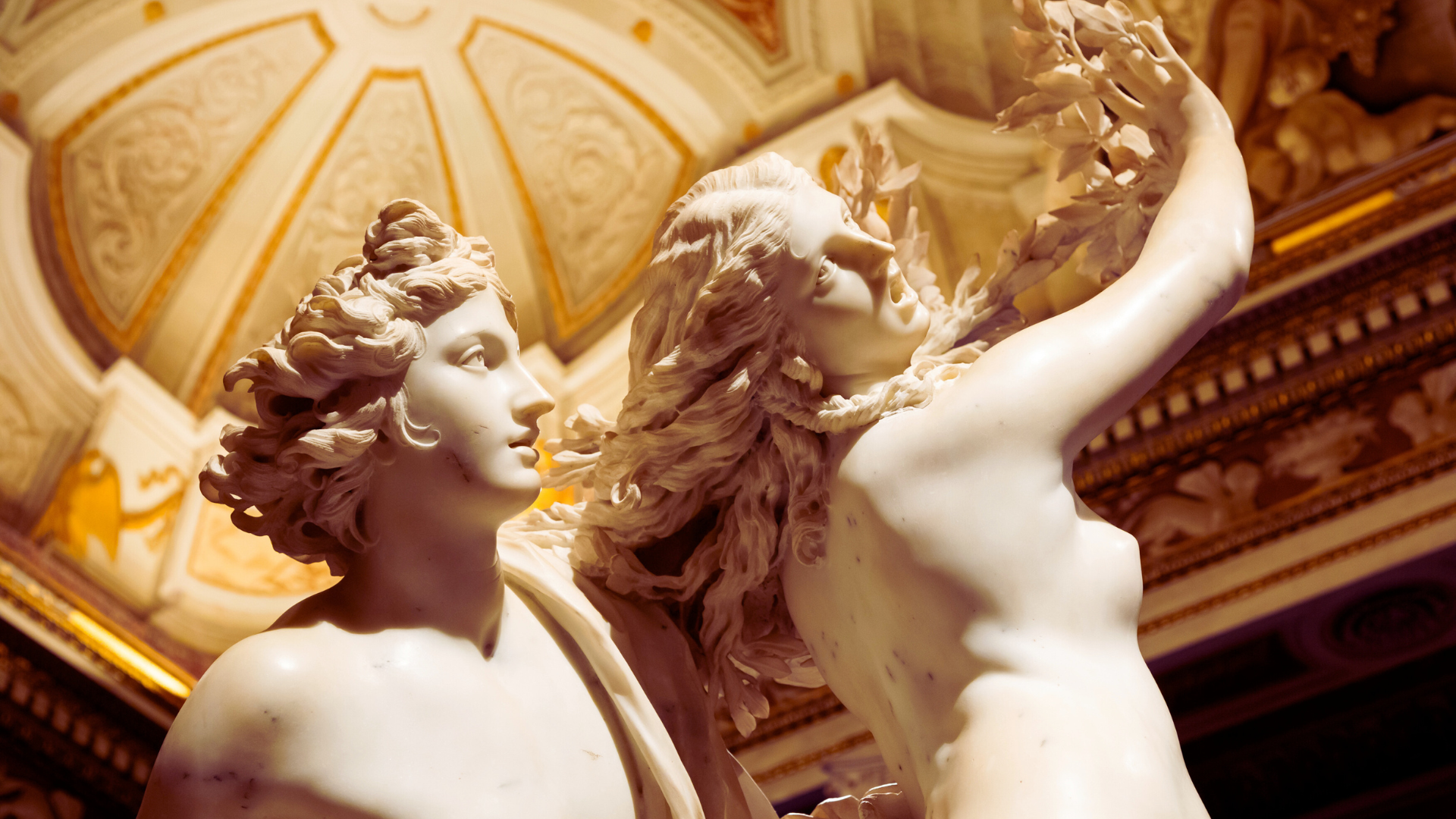
Baroque art followed, characterized by dramatic use of light and shadow, as well as movement and emotional intensity. Prominent figures included Caravaggio and Gian Lorenzo Bernini, whose works conveyed deep religious and emotional themes. This period was defined by grandeur and opulence in both architecture and visual arts.
Romanticism, Realism, and Impressionism
Romanticism arose in the late 18th century, prioritizing emotion and individualism over reason. Artists like Eugène Delacroix explored themes of nature and the sublime.
Realism came next, focusing on everyday life and ordinary people, with notable artists like Gustave Courbet championing this movement. This was a reaction against the idealization seen in Romanticism.
Impressionism, led by figures like Claude Monet and Vincent van Gogh, revolutionized art with its focus on light and color. Techniques involved loose brushwork and capturing fleeting moments, moving away from detailed realism.
Modern Movements: From Fauvism to Surrealism
The early 20th century saw the rise of Fauvism, initiated by Henri Matisse. This movement used bold colors and simplified forms, emphasizing painterly qualities.
Cubism, developed by Pablo Picasso and Georges Braque, fragmented subjects into geometric shapes, challenging traditional perspectives.
Surrealism, represented by Salvador Dalí and René Magritte, sought to express the unconscious mind through dream-like imagery. This movement combined reality with bizarre elements, encouraging the exploration of inner thoughts and fantasies.
Through these movements, art continually redefined itself, reflecting the complexities of human experience.
Characteristics of Contemporary Art Styles
Contemporary art is diverse, featuring various styles that reflect current cultural, social, and technological developments. Key characteristics include innovative approaches, unique techniques, and a departure from traditional forms. Each style contributes to the rich tapestry of modern artistic expression.
Abstract Expressionism and Pop Art
Abstract Expressionism emerged in the mid-20th century, focusing on spontaneous, emotive art. Prominent figures such as Jackson Pollock and Mark Rothko exemplify these traits through their use of color and form to evoke feelings rather than depict reality. Techniques often include gestural brush strokes and large canvases, prioritizing personal expression.
In contrast, Pop Art emerged in the 1950s, drawing on popular culture and mass media. Artists like Andy Warhol and Roy Lichtenstein utilized commercial techniques, such as screen printing and comic strip aesthetics. This style combines humor with social commentary, challenging traditional notions of art by blurring the line between high and low culture.
Minimalism and Conceptual Art
Minimalism arose as a reaction against the complexities of Abstract Expressionism, emphasizing simplicity and objectivity. Artists focused on basic geometric forms, monochromatic palettes, and industrial materials. This approach sought to remove personal expression, allowing the viewer to engage with the work on a more direct level.
Conceptual Art places ideas over aesthetics, showcasing artistic thought processes. Key figures in this movement include Marcel Duchamp and Sol LeWitt. They often used text, documentation, or performance as mediums, challenging traditional artistic values. Conceptual works provoke dialogue about art’s nature, pushing boundaries on how art is defined.
Digital Art and New Media
Digital Art incorporates contemporary technology to expand artistic possibilities. Artists use software, digital tools, and online platforms to create and share their work. This genre ranges from digital painting to interactive installations, allowing for new forms of engagement.
New Media Art explores further innovations, integrating video, robotics, and virtual reality. Its characteristics include interactivity and audience participation. Contemporary artists leverage these mediums to comment on society and technology, pushing the limits of traditional artistic experiences.
Formal Analysis of Art Composition
Formal analysis focuses on the intrinsic visual elements of art, such as color, shape, and texture. It examines how these elements contribute to the overall composition, influencing the viewer’s perception and emotional response.
Understanding Color, Shape, and Texture
Color plays a crucial role in art, evoking emotions and setting the mood. Warm colors like red and orange can create an energetic atmosphere, while cool colors such as blue and green may evoke calmness.
Shapes define the structure within an artwork. Geometric shapes suggest order and stability, while organic shapes may convey fluidity and natural forms. Texture adds depth, inviting the viewer to contemplate the artwork further. Textures can be real, tactile surfaces or implied, affecting how the viewer visually perceives the depth and dimension.
The Role of Composition in Artistic Styles
Composition refers to the arrangement of visual elements within a piece of art. It affects how the viewer interacts with and interprets the artwork. Artists often employ various compositional strategies, including balance, contrast, and focal points.
In abstract art, composition might focus less on representational accuracy and more on the interaction of color, shape, and texture. For example, a painterly style might emphasize brush strokes and movement, creating a sense of dynamism. Each style interprets elements differently, shaping the viewer’s experience uniquely.
Influence and Legacy in Art
Art evolves continuously through the contributions of pivotal figures and cultural exchanges. Individual expression often defines movements, while societal factors reflect conditions in art’s creation and reception.
Artistic Innovators and Their Impact
Artists such as Claude Monet and Vincent van Gogh transformed perceptions of color and light. Monet’s focus on natural scenery laid the foundation for Impressionism, while Van Gogh’s emotive brushwork influenced Post-Impressionism, emphasizing personal expression.
Pablo Picasso, known for co-founding Cubism, radically changed the way form and perspective were understood in art. His innovative approach allowed for fragmented representations, breaking from traditional perspectives. Henri Matisse, a leader in Fauvism, utilized vivid colors to evoke feelings rather than depict reality accurately.
Jackson Pollock’s unique style paved the way for Abstract Expressionism, encouraging artists to express individuality through spontaneous actions. Together, these innovators have left a lasting impact on art, inspiring future generations.
Cross-Cultural Influences in Art
Art does not exist in isolation; it is shaped by cross-cultural interactions. The Bauhaus movement in Germany embraced a blend of functionalism and aesthetic value, influenced by diverse cultures and modernist ideas.
Meanwhile, Art Deco showcased an amalgamation of styles, drawing upon ancient Egypt, African art, and the machine age’s aesthetics. This fusion represented modernity and innovation.
Furthermore, during the Baroque era, European artists integrated influences from Asia and the Americas, enriching their works through varied techniques and themes. These cultural exchanges continue to foster creative inspiration across artistic boundaries.
Art’s Reflection on Society
Art serves as a mirror reflecting societal values, struggles, and changes. The Avant-Garde movements emerged in response to political upheaval, challenging traditional norms and advocating for social reform.
Works from the Baroque period illustrate the power dynamics, wealth, and religious fervor of the time. In contrast, contemporary artists like Andy Warhol critique consumerism and identity in modern society through pop art.
Each art movement encapsulates the essence of its era, revealing insights into cultural shifts, collective values, and individual narratives. The legacy of these movements persists, shaping contemporary artistic discourse and societal comprehension.