
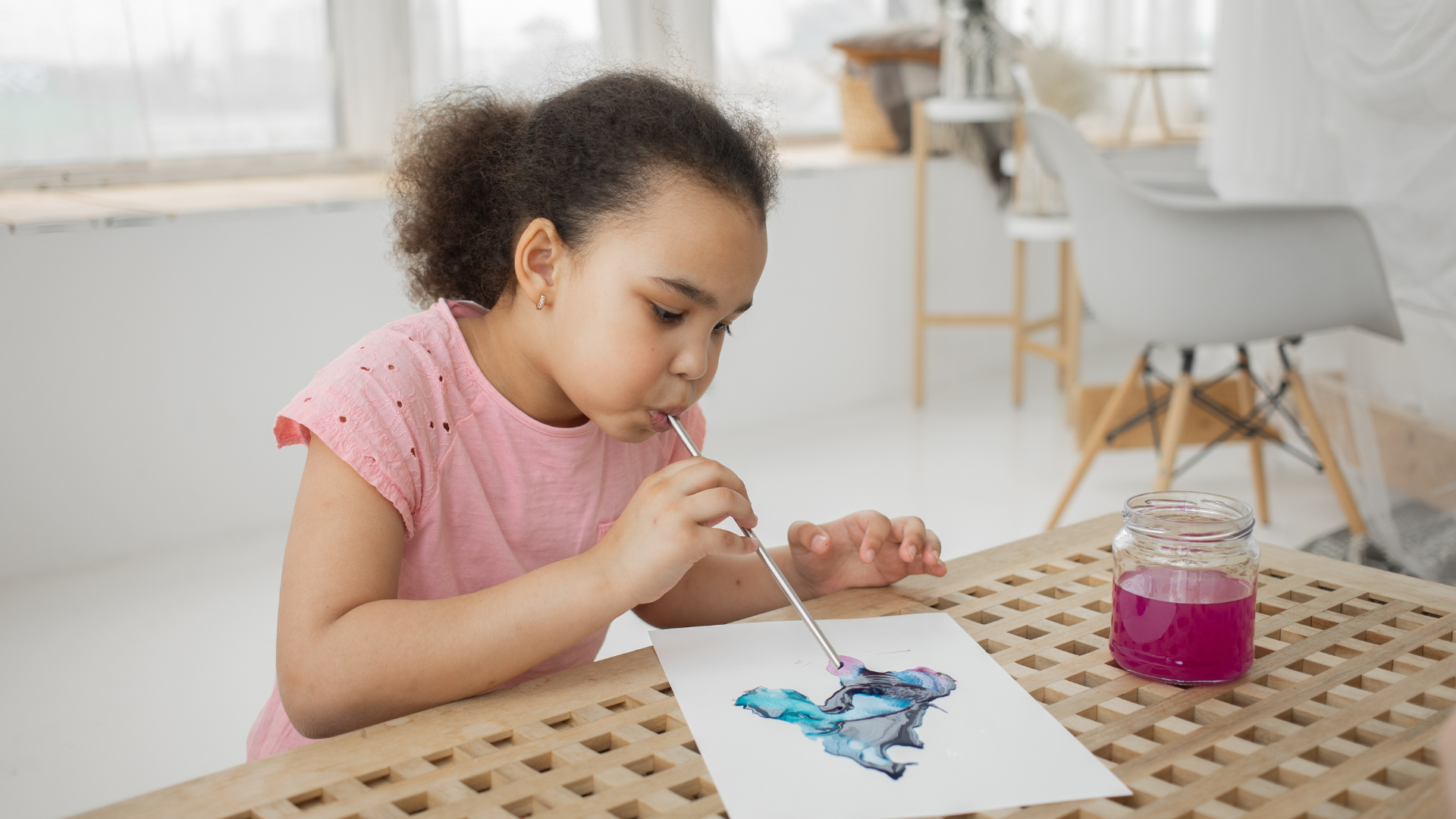
In the journey of an artist, developing a unique art style is essential for self-expression and creativity. Finding your artistic style involves exploring various techniques, materials, and influences to create a personal language that resonates with both the artist and the audience. This process is deeply rooted in self-discovery, allowing artists to understand their preferences and inspirations.
Artists often feel pressure to conform to existing trends, but cultivating a distinctive style sets them apart. This individuality not only enhances their work but also builds a connection with viewers who appreciate authenticity. By experimenting with different forms and allowing personal experiences to inform their work, artists can carve a niche that reflects their vision.
Ultimately, developing an artistic style is an ongoing adventure. Embracing the journey can lead to unexpected discoveries and deeper connections within the art community. With patience and dedication, artists can uncover the true essence of their creative voice.
Understanding Artistic Style
Artistic style is a personal expression shaped by both historical influences and individual creativity. It encompasses various art movements, such as impressionism and abstract art, and plays a crucial role in defining an artist’s unique voice.
History and Evolution of Art Styles
Art styles have continually evolved, often in response to cultural, social, and technological changes. Key movements include:
- Renaissance: Focused on realism and human emotion.
- Impressionism: Emphasized light and color, capturing fleeting moments.
- Abstract Art: Abandoned representational forms to explore color, shape, and line.
Each period contributed to the complexity of artistic expression. Artists draw inspiration from these styles, blending techniques to cultivate their own approach.
Defining Your Artistic Voice
Defining an artistic voice involves introspection and experimentation. An artist should consider their inspiration, influences, and preferred mediums.
To uncover their voice, an artist might:
- Create a mood board of favorite works.
- Experiment with different styles and techniques.
- Regularly reflect on their artistic journey.
Artists can also take cues from historical movements like impressionism to inform their work while establishing a distinct narrative. This personal voice is essential for authenticity and connection with the audience.
Developing Your Technique
Refining techniques are essential for artists seeking to express their unique style. Key areas of focus include experimenting with various mediums, understanding composition and color theory, and incorporating feedback into their practice.
Experimenting with Different Mediums
Exploring different mediums is fundamental to developing an artistic technique. By trying materials such as acrylics, oils, watercolors, or charcoal, an artist can discover what suits their expressive needs. Each medium has distinct characteristics, influencing texture, opacity, and drying time.
Artists may find that certain mediums inspire different outcomes. For example, oils allow for smooth blending, while watercolors can create soft washes. A color palette can also evolve based on the chosen medium. Artists should maintain an open mindset during experimentation, as this can lead to unexpected discoveries and enhance their skill set.
Composition and Color Theory
Understanding composition and color theory is crucial in creating visually compelling artwork. Composition refers to the arrangement of elements within a piece. Techniques such as the rule of thirds or leading lines can guide viewer attention effectively.
Color theory includes the study of color relationships and their emotional effects. Knowledge of warm and cool colors, complementary colors, and analogs can significantly impact the mood of a piece. Artists should practice creating diverse compositions and experimenting with color palettes to develop a distinctive style.
Incorporating Feedback into Practice
Seeking feedback is vital for artistic growth. Constructive criticism from peers or mentors can provide new perspectives and insights. Artists should approach feedback with an open mind, recognizing it as an opportunity to enhance their technique.
Incorporation of feedback can involve revisiting specific pieces for refinement. This iterative process allows artists to analyze their strengths and weaknesses. Regular discussions with other artists or participation in critiques can foster continuous improvement and support individual expression.
Finding Inspiration and Influence
Inspiration can often stem from various sources, including other artists, personal experiences, and community interactions. Identifying these influences helps shape a distinct artistic style.
Learning from Other Artists
Exploring the work of established and emerging artists broadens perspective and informs technique. Artists can study different styles, techniques, and mediums to see what resonates with them.
Key actions include:
- Analyzing artworks to identify techniques.
- Attending exhibitions to experience art firsthand.
- Taking workshops or classes to engage with art fundamentals.
Connecting with art history and diverse movements provides context for current trends and personal choices. This exploration lays a solid foundation for artists to grow.
Embracing Your Unique Perspective
Each artist possesses a unique viewpoint shaped by experiences, culture, and emotions. Recognizing and embracing this individuality allows for authentic expression in their work.
To tap into this unique perspective, artists can:
- Reflect on personal experiences that inspire their art.
- Consider storytelling as a method to convey messages.
- Draw from cultural heritage to inform themes and subjects.
This self-awareness is crucial for creating artworks that resonate on a personal level and connect with audiences.
Interactive Community Engagement
Engaging with the art community fosters growth and provides additional sources of inspiration. Interaction with peers can challenge one’s approach and introduce new ideas.
Participation can include:
- Joining local art groups or online forums to share work.
- Collaborating with other artists on projects.
- Attending community workshops and events for networking.
Such engagement creates a supportive network, where sharing ideas encourages exploration and experimentation, ultimately enriching one’s artistic style.
Cultivating Artistic Growth
Cultivating artistic growth involves embracing consistent practice and exercising patience and perseverance. These elements are crucial for developing a signature style and enabling an individual’s unique voice to emerge through their art.
The Role of Consistent Practice
Consistent practice is essential in shaping an artist’s journey. Regular engagement with art helps build skills, refine techniques, and develop a deeper understanding of the creative process. It allows artists to experiment with different mediums and styles, which can lead to new insights and inspiration.
To build a habit of practice, artists may consider:
- Setting aside dedicated time each day or week.
- Keeping a sketchbook to document ideas and sketches.
- Exploring a variety of subjects to expand their artistic repertoire.
This commitment to consistent art practice fosters confidence and helps artists become more in tune with their creative instincts.
Patience and Perseverance in Artistic Development
Artistic development is not a process that yields immediate results. It requires patience and perseverance to overcome challenges and setbacks. Artists may encounter periods of frustration or stagnation, but these moments are often the most valuable for self-reflection and growth.
Embracing challenges can involve:
- Accepting that progress takes time and embracing the learning curve.
- Reflecting on past experiences and identifying areas for improvement.
- Staying true to oneself amid external pressures and trends.
By maintaining a patient mindset, artists can navigate their artistic journeys with resilience, allowing their styles to flourish over time.