
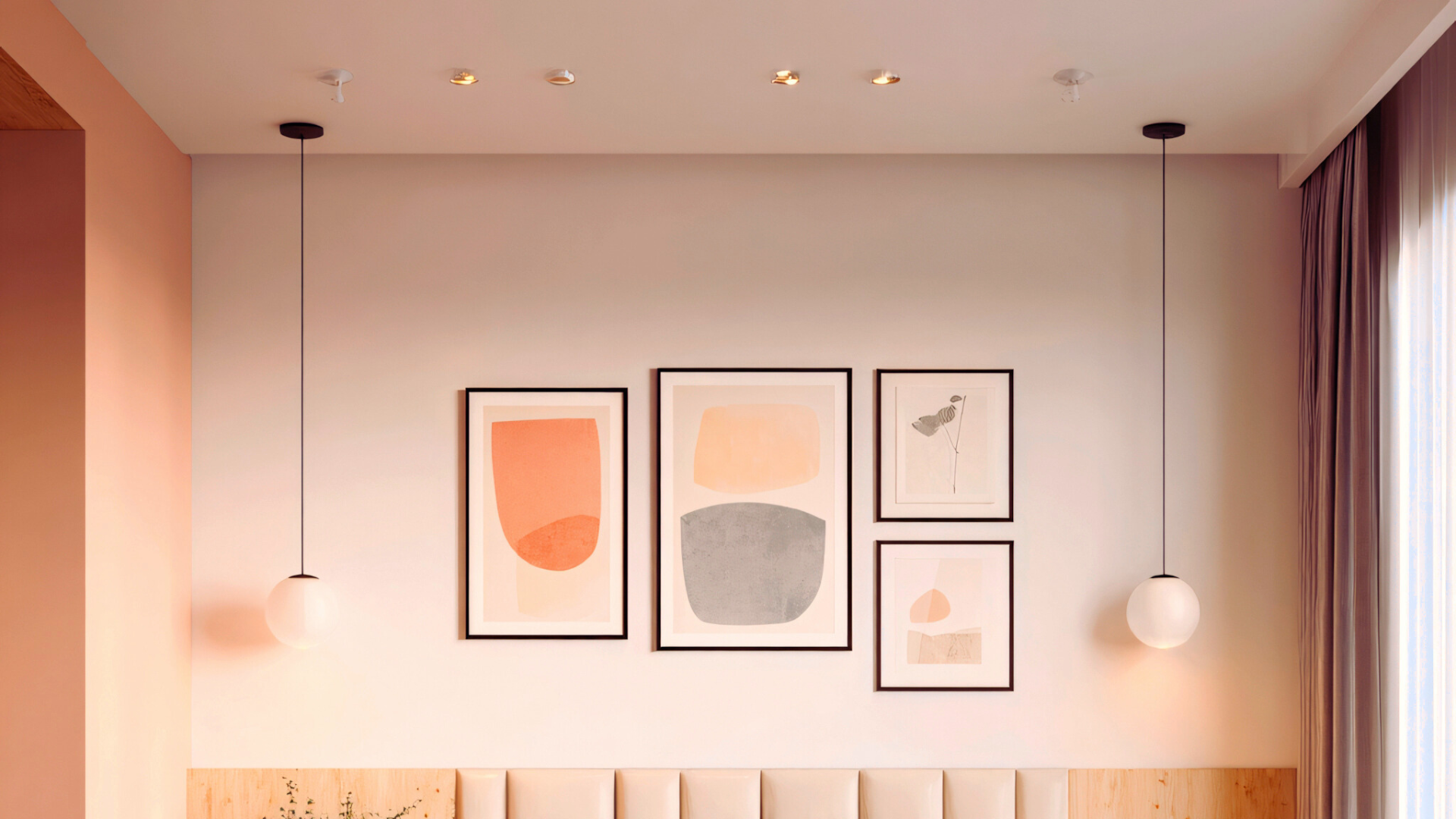
Combining minimalist design with bold statements creates a powerful visual impact without overwhelming the viewer. This approach balances simplicity with striking elements to convey meaning clearly and effectively. It allows key messages or features to stand out amid clean, uncluttered backgrounds.
Minimalist spaces or designs focus on essential elements, while bold statements introduce focal points through color, typography, or shapes. This contrast captures attention and guides the audience’s perception.
By using restraint alongside impactful details, designers craft environments or visuals that feel intentional and memorable. This method works across various media, from interior design to graphic art.
Core Principles of Combining Minimalist Design with Bold Statements
Combining minimalist design with bold statements requires precision in composition and a clear understanding of how elements interact. The approach focuses on creating a strong visual impact through simplicity, strategic space, and structured emphasis.
Balancing Simplicity and Impact
Balancing simplicity with impact means using the fewest design elements to make the greatest statement. It involves stripping down to essentials—limited colors, clean lines, and minimal text—while ensuring the central message stands out confidently.
Designers prioritize quality over quantity. For example, a single bold shape or phrase can command attention without clutter. The contrast between minimal elements and bold features amplifies visual impact and draws the viewer’s focus immediately.
This balance avoids overwhelming the audience, maintaining clarity and memorability. Minimalism provides calm, while the bold elements provide energy, creating a compelling blend that engages without distraction.
Intentional Use of Negative Space
Negative space is a crucial tool in bold minimalism, used deliberately to separate and highlight design components. It creates breathing room, prevents crowded compositions, and directs attention where it matters.
Empty space around a bold graphic or text enhances its prominence by isolating it. The strategic use of negative space increases legibility and reinforces simplicity without losing visual interest.
In minimalist design, negative space is not “empty” but an active part of the layout. It balances the visual weight and can form invisible shapes that contribute to the overall statement, subtly guiding the viewer’s eye.
The Role of Visual Hierarchy
Visual hierarchy organizes design elements to establish clear priorities. In combining minimalism with boldness, size, color, and placement differentiate the main message from supporting details.
A bold headline or graphic often occupies the highest rank, designed to capture immediate attention. Secondary elements follow with subtler tones or smaller scale, ensuring the focal point remains dominant.
Hierarchy supports efficient communication by guiding viewers logically through information. By controlling emphasis and flow, it maximizes the impact of minimalist design while maintaining clarity and order.
Key Elements That Define Bold Minimalist Aesthetics
Bold minimalist aesthetics rely on precision in every design choice. Clean shapes, high contrast, deliberate typography, and carefully selected statement pieces work together to achieve a striking yet simple look.
Clean Lines and Geometric Shapes
Clean lines are essential for a bold minimalist design, as they create structure and clarity. Straight edges and sharp angles emphasize simplicity without clutter.
Geometric shapes such as circles, squares, and triangles provide visual interest while maintaining order. They often serve as the foundation for layout or decor, drawing attention without overwhelming the space.
Precision in these elements removes unnecessary detail, making the form itself the focus. This creates a balance where minimal complexity meets strong presence.
Contrast Colors and Color Palette
Using contrast colors is key to creating boldness within minimalism. High-contrast pairs like black and white or navy and cream make each element stand out sharply.
The overall color palette tends to remain limited—often two or three core colors—to preserve simplicity. Neutral tones anchor the design, while one vivid color might act as an accent to catch the eye.
Strategically applying contrast directs attention and highlights important features, enforcing the message without excess decoration.
Typography Choices
Typography in bold minimalist design favors clarity and impact. Sans-serif fonts with clean, uniform strokes are common for their modern, crisp appearance.
Serif fonts may appear but are typically used sparingly to add subtle character without compromising simplicity. The focus remains on legibility paired with a strong presence.
Type size varies to create hierarchy, often with large, bold headers contrasted against smaller body text. This controlled use of typography conveys messages directly and efficiently.
Statement Pieces in Design
Statement pieces break the minimalist uniformity with distinct, eye-catching forms. These can be furniture, artwork, or architectural features that serve as focal points.
To maintain balance, these pieces are simple in form but bold in scale or color. For example, a single oversized chair in a bright hue can dominate a neutral room without cluttering it.
Selecting statement pieces with clean lines and minimal detailing ensures they integrate with the overall minimalist concept while adding visual impact.
Practical Applications Across Design Disciplines
Minimalist design with bold statements can shape various creative fields by balancing simplicity and impact. This approach emphasizes clarity while drawing focus to a single element that communicates strength.
Web and Graphic Design Strategies
In web design, the use of ample white space paired with one strong visual or message creates a focused user experience. Designers often limit color palettes, using a bright accent or bold typography to highlight calls to action.
Graphic design applies similar principles by reducing clutter and relying on strong contrasts. For example, a minimal layout might use a large, bold font for headlines against a simple background, directing attention precisely where intended.
Successful implementation requires restraint. Prioritizing one bold element per page prevents overwhelming viewers and enhances brand recall.
Innovative Branding Approaches
Brands incorporate minimalist aesthetics to project confidence and clarity. This includes logos stripped to essential shapes paired with vivid, attention-grabbing colors or typography that embodies the brand’s voice directly.
Minimalist branding eliminates distractions, allowing a bold tagline or icon to stand out. Companies often combine this with consistent white space to strengthen recognition across platforms.
By focusing on singular but powerful design choices, brands communicate refinement without complexity, appealing to modern consumers’ preference for straightforwardness.
Exploring Interior and Product Design
In interior design, minimalism uses clean lines and neutral palettes as a canvas for bold art pieces or statement furniture. This contrast defines space while maintaining visual harmony.
Product design follows a similar formula. Clean forms and simple materials highlight innovative features or striking colors, making the product memorable without extraneous details.
In both fields, the interplay between minimal and bold elements ensures usability while creating dynamic aesthetics that engage users or consumers effectively.
Minimalism, Maximalism, and the Bold Minimalist Balance
Balancing minimalist design with bold statements requires understanding opposing principles and finding a way to integrate striking elements without clutter. This approach combines clean lines with purposeful emphasis to create a space that is both simple and impactful.
Comparing Minimalist and Maximalist Approaches
Minimalism focuses on simplicity, using limited colors, shapes, and textures. It aims to reduce visual noise and emphasize function.
Maximalism embraces complexity by combining diverse colors, patterns, and decor items. Its goal is to create a rich and dynamic atmosphere that attracts attention.
Minimalist design relies on restraint and precision. Maximalism thrives on abundance and expressiveness. Their contrasting values mean they require different methods for incorporating bold elements without overwhelming the space.
Integrating Maximalist Features Thoughtfully
Bold statements in a minimalist setting arise when maximalist features are introduced sparingly. Examples include one large artwork, a striking color accent, or a textured rug.
Placement and scale are crucial. A single bold piece draws focus, while multiple competing elements cause visual chaos.
This approach allows maximalist details to enhance rather than dominate. It prioritizes intentionality, where each statement piece contributes a clear purpose aligned with a minimalist foundation.
Sustaining Timelessness and Versatility
The bold minimalist balance demands choices that remain relevant over time. Trends in maximalism can be fleeting, so integration must avoid overly trendy or ephemeral elements.
Preference is given to classic shapes and durable materials with bold features that don’t overwhelm the minimalist backdrop. Neutral palettes paired with selective pops of color maintain adaptability.
This method ensures versatility across different styles and functions. It allows spaces to evolve while preserving a clean yet impactful aesthetic.