
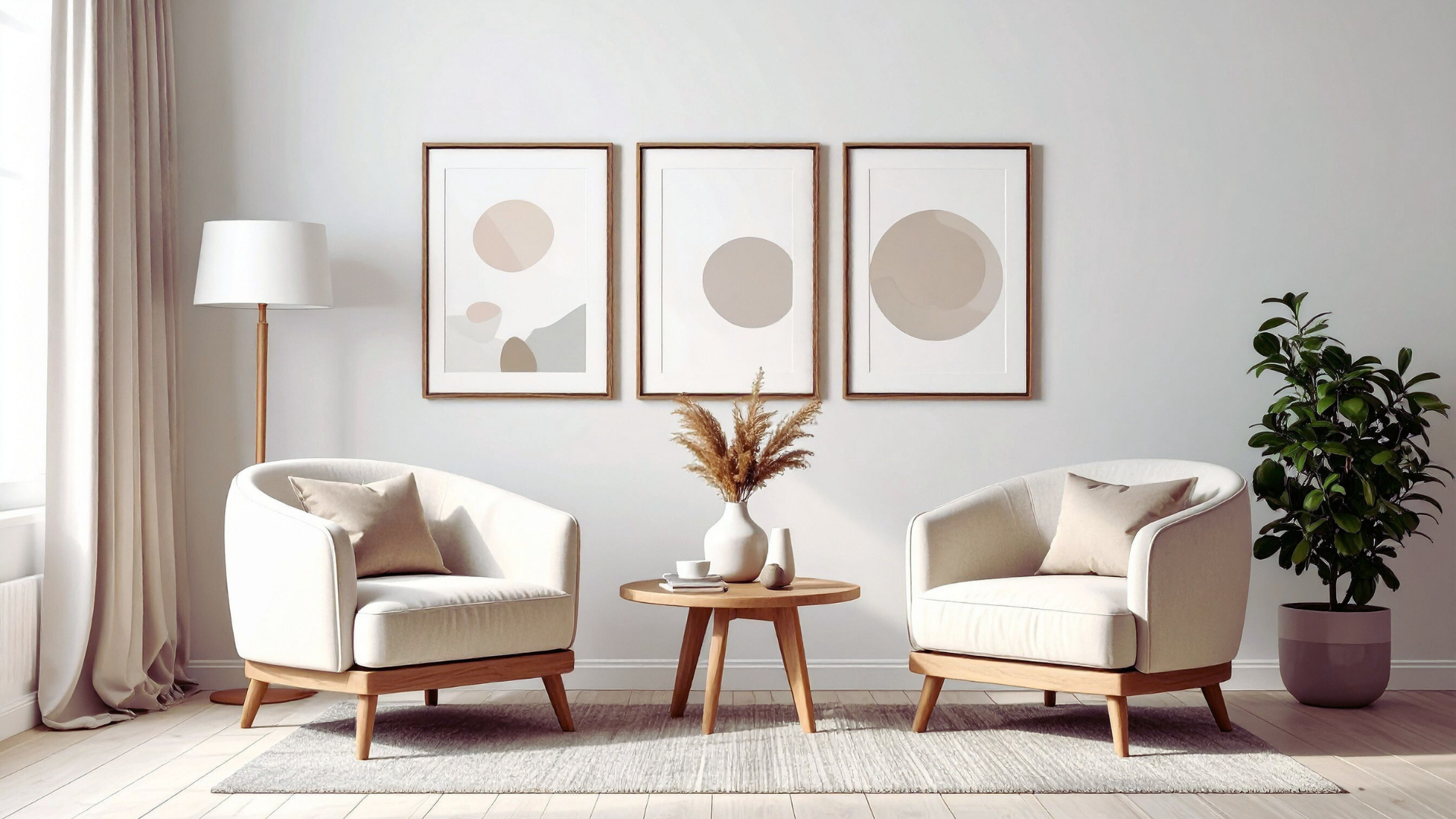
Orientation is a critical factor in gallery and home display design because it directly influences how artwork or objects are perceived. Proper orientation controls the viewer’s line of sight, lighting interaction, and spatial flow, enhancing both the visual impact and emotional response. Choosing the right orientation ensures that the display communicates its intended message effectively and maximizes aesthetic appeal.
In galleries, orientation is used to guide visitors through the space, creating a curated experience that highlights key pieces and themes. In homes, it adapts to personal taste and practical considerations like room layout and lighting conditions. Both settings rely on careful orientation decisions to balance visual harmony with functionality.
Fundamentals of Orientation in Display Design
Orientation influences how viewers engage with art and objects, affecting visibility and spatial flow. Proper use of orientation enhances focal points, guides movement, and supports the intended experience in both galleries and homes.
Definition and Importance of Orientation
Orientation refers to the directional placement or alignment of artworks or objects within a space. It determines how pieces are viewed relative to the viewer’s position and the room’s architecture.
Proper orientation optimizes visibility, emphasizing key details and ensuring the piece is seen as intended by the artist or owner. It also impacts emotional response, as different angles can evoke varied perceptions.
In gallery and home settings, orientation helps define visual hierarchy and balance, creating a coherent narrative. Misaligned orientation can cause confusion, reduce impact, and disrupt spatial harmony.
Types of Orientation in Home and Gallery Contexts
In galleries, vertical and horizontal orientations are common, depending on the artwork type and wall space. Freestanding pieces often require 360-degree consideration, ensuring all sides communicate meaning.
Homes often use orientation to complement furniture arrangement and lighting. Portrait orientation suits narrow spaces, while landscape orientation fits wider walls or above sofas and mantels.
Angle and height also play roles. Gallery curators adjust orientation to accommodate sightlines and crowd flow. Homeowners personalize orientation based on viewing distance and room function.
Orientation Versus Layout: Key Differences
Orientation specifically addresses the direction or positioning of individual display items. Layout refers to the overall arrangement and spatial organization of multiple objects and furniture within a room.
Orientation focuses on how each piece faces and interacts with viewers. Layout is about grouping, spacing, and circulation paths affecting the entire space’s usability.
Both work together but serve different purposes: orientation highlights the artwork’s or object’s presentation, while layout manages the environment’s structure for comfort and aesthetics.
Optimizing Orientation for Natural Light, Ventilation, and Comfort
Proper orientation significantly affects lighting, airflow, and overall comfort in gallery and home spaces. Strategic placement allows spaces to capture natural resources efficiently, reducing reliance on artificial systems and improving occupant well-being.
Maximizing Natural Light with Proper Window Placement
Windows should be oriented to capture the most consistent natural light throughout the day. In the Northern Hemisphere, south-facing windows receive the most sunlight, promoting brightness without harsh shadows. East-facing windows offer morning light, which can enhance early-day visibility but may cause glare if not managed.
Window size and glazing type matter: larger, double-glazed windows reduce heat loss while maximizing light. Light shelves or reflective surfaces can extend natural daylight deeper into rooms. Controlled window treatments like blinds help modulate light intensity, preventing fading of art or overheated rooms.
Harnessing Prevailing Winds for Natural Ventilation
Understanding local prevailing winds allows for effective cross-ventilation design. Positioning windows or vents perpendicular to wind direction facilitates airflow, which helps maintain indoor air quality and thermal comfort.
Operable windows combined with vent placement on opposite walls create pressure differences that naturally cool spaces. This reduces dependency on mechanical ventilation, boosting sustainability. It is crucial to avoid orientations facing prevailing winds in regions with extreme weather to prevent discomfort or damage.
Adapting Orientation to Local Climate
Orientation must respond to the specific climate to balance light, heat, and airflow. In hot climates, minimizing west-facing windows reduces overheating in the afternoon. Shading devices such as overhangs and louvers complement window orientation to control solar gain.
In colder climates, maximizing south-facing glazing captures solar heat in winter, reducing heating needs. Orientation also affects durability and material performance by limiting exposure to harsh elements. Integrating climate-responsive design enhances comfort for visitors and residents while supporting sustainability goals.
Enhancing Display Impact: Orientation in Gallery Wall and Home Design
Orientation plays a key role in directing attention and creating harmony within a display space. It determines how viewers engage with artwork or items, balancing visual weight, color, and space to optimize impact.
Establishing a Focal Point through Orientation
Orientation defines the primary area of interest in a gallery wall or home display. Horizontal arrangements tend to guide the viewer’s eye across the display, while vertical layouts emphasize height and can make spaces feel taller.
A well-chosen orientation highlights the most important piece, anchoring the arrangement. For example, centering a large, striking frame surrounded by smaller works creates a clear focal point. This guides visual flow and prevents the eye from wandering aimlessly.
Consistent alignment, such as top or center lines, supports the focus without distraction. Orientation also helps emphasize lighting angles and viewing height, making the focal piece more accessible.
Balancing Frame Sizes and Color Schemes
Orientation affects how varying frame sizes appear together. Grouping larger frames with smaller ones requires attention to spatial balance so no frame dominates or feels lost.
Color schemes respond to orientation by influencing how contrasts and harmonies are perceived. Placement of darker or bold-colored pieces along a horizontal can create rhythm, while vertical stacks may highlight gradual shifts in color intensity.
A balanced orientation ensures that frame sizes and colors distribute evenly. This reduces visual clutter and promotes a cohesive, intentional look that supports the room’s decor.
Consistent Spacing and Breathing Room for Visual Appeal
Proper spacing is critical to avoid overcrowding in any orientation. Consistent gaps between frames create a unified pattern that enhances readability and elegance.
Breathing room allows each piece to stand out while contributing to the overall composition. In tight spaces, vertical orientation with narrow spacing can prevent a cramped feel, whereas horizontal layouts benefit from wider spacing to create flow.
Measuring gaps and maintaining even distances maintains order, helping the viewer’s eye move smoothly. This consistency adds to comfort and sophistication in both galleries and homes.
Using Paper Templates for Layout Planning
Paper templates provide a practical way to test orientation and arrangement before hanging frames. They allow adjustment of layout, spacing, and focal points without damaging walls.
Cut-outs scaled to frame sizes can be taped to the wall to visualize balance, orientation, and overall impact. This method helps in assessing lighting effects and avoiding misaligned or awkward placements.
Using paper templates reduces trial-and-error and ensures the chosen orientation supports the intended design purpose efficiently. It is a cost-effective and flexible planning tool for both large gallery walls and smaller home displays.
Integrating Energy Efficiency and Lighting Solutions
Effective display design balances natural light use with controlled artificial lighting to optimize energy consumption and preserve artwork. Orientation impacts cooling costs and lighting effectiveness, influencing overall efficiency.
Reducing Cooling Needs through Thoughtful Orientation
Positioning art spaces to minimize sun exposure during peak heat hours lowers cooling demand. North- or east-facing windows reduce direct sunlight, helping maintain stable indoor temperatures.
Using shading devices like blinds or exterior screens further controls heat gain. Materials with good thermal insulation enhance this effect. Proper ventilation combined with strategic orientation decreases reliance on air conditioning, resulting in energy savings.
Artificial Lighting Versus Daylighting
Daylighting offers energy-efficient illumination but requires careful control to avoid UV damage to art. Diffused natural light is preferred to limit glare and fading risks.
Artificial lighting allows precise control over intensity and color temperature. LED fixtures are recommended for their low heat emission and energy efficiency. Balancing daylight with artificial sources ensures visual clarity while conserving power.
Selecting and Positioning Picture Lights
Picture lights should emit low UV and heat to protect artwork and reduce cooling loads. LED picture lights with adjustable brightness provide focused illumination without excessive energy use.
Mounting picture lights above or to the side of artwork prevents shadows. Adjustable arms or dimmers optimize light angles and intensity, enhancing display quality while managing energy consumption effectively.