
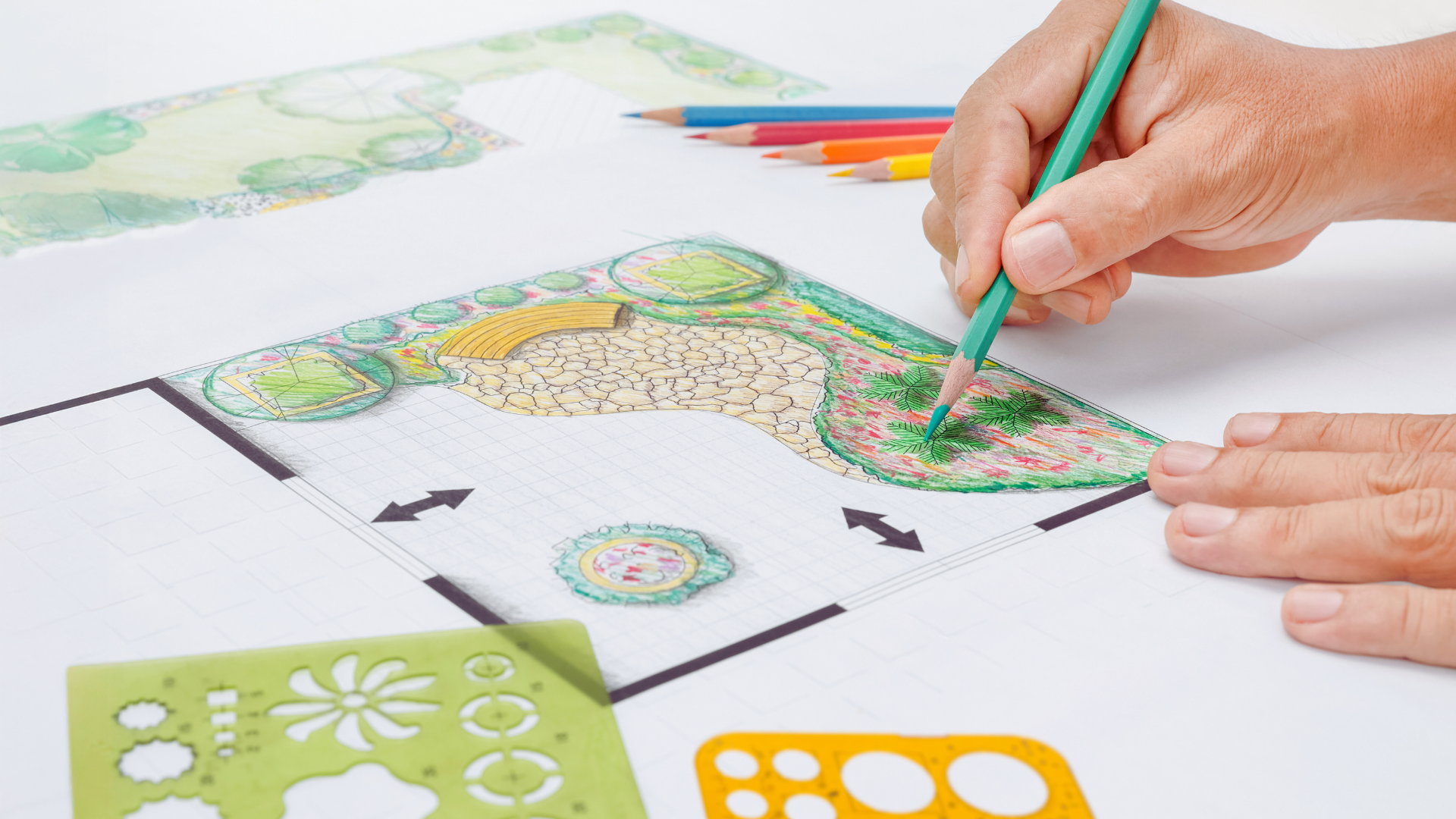
Intentionality in design choices directly impacts how effectively a product or space communicates its purpose and meets user needs. When designers make deliberate decisions, every element serves a clear goal rather than being arbitrary or decorative. This focused approach ensures functionality, clarity, and a meaningful user experience.
Without intentionality, design can become cluttered, confusing, or disconnected from its audience. Thoughtful choices create cohesion and guide users naturally, making interaction easier and more enjoyable. This principle applies across disciplines, from graphic design to architecture.
By understanding and applying intentionality, designers strengthen their work’s impact and relevance. Readers will learn how purposeful design decisions lead to better outcomes, saving time and resources in the process.
Understanding Intentionality in Design
Intentionality in design involves deliberate choices driven by purpose and awareness. It requires designers to be mindful of the impact of each decision rather than relying on guesses or trends. This approach ensures meaningful, effective outcomes aligned with user needs and goals.
Definition and Origins of Intentionality
Intentionality refers to the quality of being purposeful and goal-directed. In philosophy, it describes the mind’s capacity to direct thoughts toward objects or concepts. This idea translates to design as a focus on conscious decision-making rather than accidental or random choices.
Designers apply intentionality by setting clear objectives and aligning all elements with those goals. This contrasts with designs that emerge from trial and error or unconscious habit. Recognizing intentionality allows for more precise control over how a product functions and how users experience it.
The Role of Consciousness in Design Decisions
Consciousness in design highlights awareness during the creative process. It involves understanding the reasons behind each choice and anticipating how those choices influence user interaction. Without consciousness, design risks becoming superficial, relying too much on aesthetics without substance.
Designers exercise consciousness by continually questioning “why” and “how” a feature fits the overall purpose. This vigilance maintains coherence and integrity throughout development. Conscious decision-making separates intentional design from arbitrary or purely intuitive design efforts.
Intentional Design Versus Trend-Driven Choices
Intentional design prioritizes purpose over appearance or popularity. Trend-driven choices focus mainly on current styles or market fads, often without long-term strategy. While trends can provide inspiration, relying solely on them risks obsolescence and user disconnect.
Intentional design combines user needs, contextual understanding, and lasting value. It emphasizes function and sustainability rather than merely following what’s fashionable. Choosing intentionality helps create designs that remain relevant and effective beyond immediate trends.
| Aspect | Intentional Design | Trend-Driven Choices |
| Decision Basis | Purpose, goals, user needs | Popularity, aesthetics, market hype |
| Longevity | Durable, sustainable | Often short-lived |
| User Connection | Deep, functional engagement | Surface-level appeal |
| Creativity Approach | Conscious, reasoned | Reactive, impression-based |
Core Principles of Intentional Design Choices
Intentional design demands clear decision-making focused on effectiveness, usability, and visual coherence. Each choice reflects a deliberate process balancing needs, resources, and constraints to create meaningful user experiences.
Purposeful Selection of Elements
Intentional design begins with carefully choosing every element. This means considering how each component serves the overall goal rather than adding features arbitrarily. Designers evaluate color, typography, shapes, and layout based on their contribution to clarity and user engagement.
Every element must support the desired function or message. For instance, a bold font may emphasize critical information, while muted colors reduce distraction. Omitting unnecessary parts often improves focus and reduces cognitive load. In this way, the selection process becomes a strategic filter that aligns with design objectives.
Quality Over Quantity Mindset
Choosing fewer, well-crafted elements is crucial. This principle emphasizes the value of refinement rather than abundance. High-quality components enhance reliability, aesthetics, and usability without overwhelming the user.
Quality manifests through materials, craftsmanship, and consistency. For example, using a limited color palette with precise contrast improves readability and brand coherence. Clutter from excessive features often detracts from the user experience. Therefore, prioritizing quality over quantity results in cleaner, more effective designs.
Balancing Functionality and Aesthetics
Effective designs harmonize practical use with visual appeal. Functionality ensures the design performs its tasks efficiently, while aesthetics engage users emotionally and maintain interest.
Balancing both requires testing usability alongside visual decisions. For example, ensuring buttons are clickable and visually distinct integrates functionality with style. Designers avoid sacrificing one for the other; instead, they optimize so the user’s journey is smooth and enjoyable. This balance is a hallmark of intentional design.
Implementing Intentionality: Strategies and Benefits
Intentionality in design requires deliberate actions that prioritize purpose and functionality. Applying clear strategies improves both physical spaces and personal habits, leading to better outcomes and enhanced usability.
Decluttering for Clarity and Focus
Decluttering is a primary step in cultivating intentionality. Removing unnecessary items reduces distractions and allows essential elements to stand out. This process helps individuals identify what truly adds value to their environment.
A decluttered space supports mental clarity by limiting visual noise. It also streamlines routines, making everyday tasks more efficient. Prioritizing only relevant possessions fosters a sense of control and intentional living.
To maintain this clarity, regular assessments of belongings are necessary. Asking if each item serves a specific purpose or brings meaningful joy can guide decisions to keep or discard.
Curating Meaningful and Functional Spaces
Curating spaces with intention integrates both form and function. Each item and layout choice should reflect a clear purpose aligned with the users’ needs.
Furniture and decor must be selected based on utility and emotional significance, not solely aesthetics. A well-curated space enhances comfort, productivity, and well-being through thoughtful design.
Intentionality in spatial layout includes creating zones for specific activities, such as work, relaxation, or socializing. Clear organization further supports usability and maintains a sense of order.
Fostering Mindful Consumption Habits
Mindful consumption extends intentionality beyond design into daily behavior. It encourages thoughtful choices regarding purchases to avoid excess and waste.
By evaluating needs versus wants, individuals can prevent clutter accumulation and ensure resources are used efficiently. This practice promotes sustainability and financial responsibility.
Developing habits like researching products, prioritizing quality over quantity, and reflecting on consumption patterns reinforces intentionality. These habits contribute to maintaining organized, meaningful environments over time.
The Impact of Intentional Design on Well-Being and Lifestyle
Intentional design directly influences comfort, satisfaction, and functionality in living and working spaces. It aims to create surroundings that support mental clarity, emotional balance, and practical needs without unnecessary distractions or inefficiencies.
Creating Environments Aligned With Personal Values
Intentional design begins by recognizing individual values and priorities. When spaces reflect what matters most to a person—whether simplicity, sustainability, or creativity—they promote a stronger sense of identity and purpose.
This alignment reduces stress and decision fatigue by minimizing clutter and irrelevant choices. For example, a workspace designed for focus will avoid loud colors or excessive decoration, enabling better concentration and calm.
Personal values also impact material selection and layout. Choosing eco-friendly materials or adaptable furniture supports a conscious lifestyle, reinforcing positive habits and respect for the environment.
Enhancing Daily Experiences Through Thoughtful Choices
Thoughtful design decisions elevate everyday activities by tailoring spaces to specific routines and needs. Intentionality in lighting, ergonomics, and spatial flow ensures that environments support natural habits and physical comfort.
For instance, natural light placement can boost energy and mood, while ergonomic furniture prevents strain during long hours spent working or relaxing. Adjusting soundproofing or texture enhances sensory comfort, contributing to emotional well-being.
Such choices also foster mindfulness by encouraging awareness of surroundings and actions. People become more present and less distracted, improving overall life quality through deliberate environmental support.
Long-Term Benefits of Intentional Spaces
Intentional design cultivates sustainability in both physical and psychological terms. Well-planned spaces reduce the need for frequent redesign or replacement, saving resources and time.
Over time, these environments promote consistency in behavior and thought patterns, positively influencing habits and emotional health. Consciousness of one’s surroundings fosters resilience to stress and greater satisfaction with daily life.
Additionally, intentional spaces often adapt to changing needs, reinforcing their value through flexibility. This durability helps preserve a sense of stability and control, essential components of long-term well-being.