
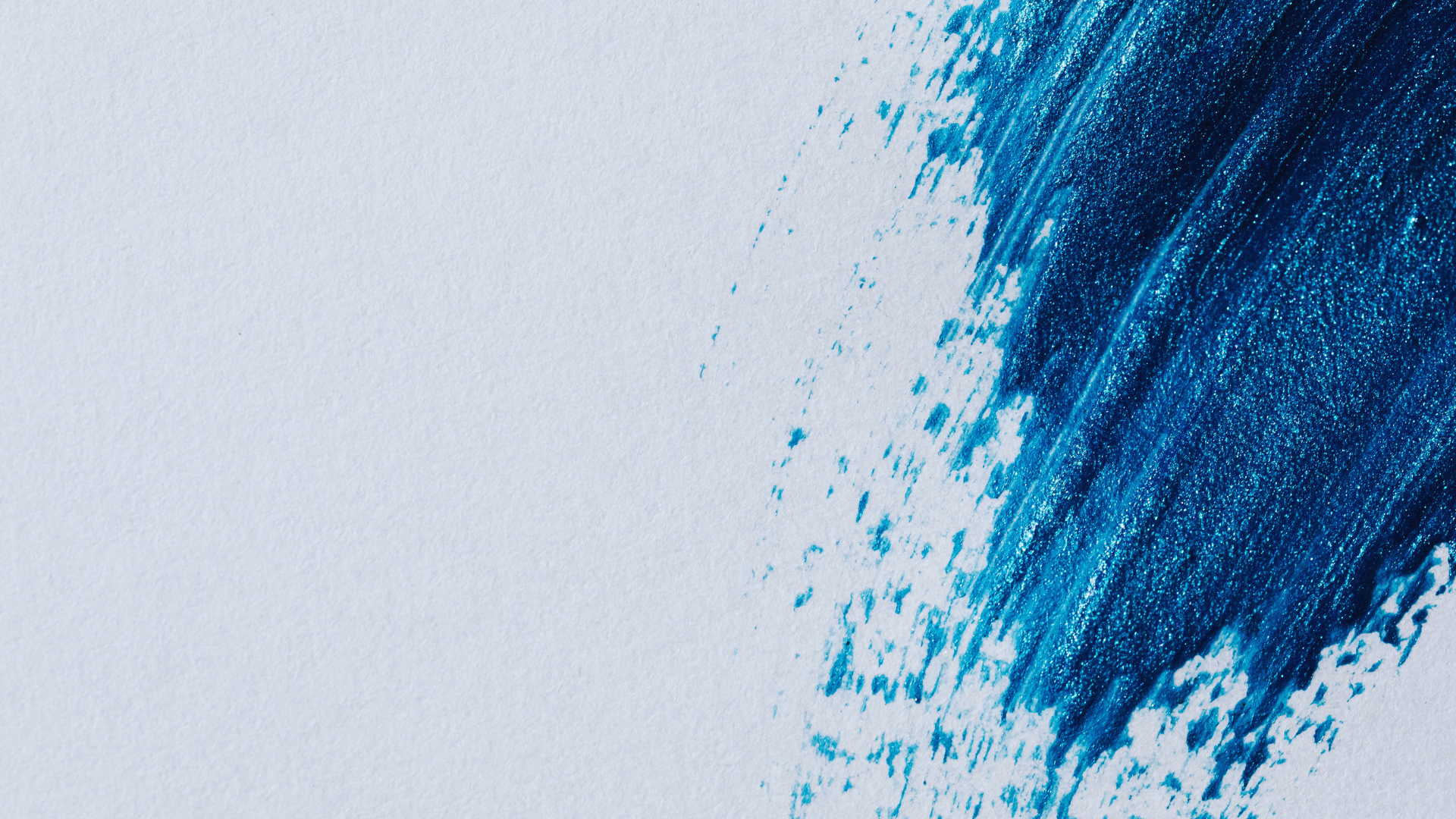
Minimalist art is often celebrated for its bold simplicity and clarity. Its focus on essential forms allows artists to explore elements that might otherwise go unnoticed, such as texture. Texture in minimalist art adds depth and intrigue, transforming a sparse composition into a sensory experience that draws the viewer in.
In minimalist works, texture can vary from smooth and polished surfaces to rough and tactile materials. This contrast not only enhances the visual interest but also invites a deeper engagement with the piece. The interplay between texture and simplicity creates a unique aesthetic that challenges perceptions and encourages exploration.
As the art world continues to evolve, the role of texture within minimalist frameworks remains a compelling topic. Artists are pushing boundaries, experimenting with new materials and techniques. This ongoing exploration invites both artists and viewers to appreciate how texture can elevate minimalist art beyond mere aesthetics into a profound dialogue of form and experience.
Fundamentals of Minimalist Art
Minimalist art emphasizes simplicity and clarity, stripping away excess to focus on the essential elements. The movement has its roots in various art forms and has evolved through influential artists and concepts.
Defining Minimalism and Its Aesthetics
Minimalism seeks to reduce art to its fundamental features. This approach often employs limited color palettes, basic geometric forms, and simple materials. Artists like Donald Judd and Ellsworth Kelly exemplify this style through their work, prioritizing the experience of space and form over intricate detailing.
The aesthetics of minimalist art encompass clean lines, uniform surfaces, and a focus on the physicality of materials. This simplicity invites viewers to engage with the artwork on a deeper level, encouraging them to contemplate the interplay of light and shadow, as well as the spatial dynamics.
The Evolution of the Minimalist Art Movement
The minimalist art movement emerged in the late 1950s and 1960s as a reaction against the complexities of Abstract Expressionism. Key figures included Agnes Martin, Eva Hesse, and Robert Morris, who contributed significantly to shaping its direction.
Early minimalist works often involved industrial materials and straightforward design. Over time, artists expanded their practices, integrating various mediums and techniques. This evolution led to a diverse range of expressions while maintaining the core principle of simplification and essentiality. The movement continues to influence contemporary art, inviting ongoing exploration of texture and form.
Texture in Minimalist Art
Texture plays a crucial role in minimalist art, enhancing visual interest while maintaining simplicity. Artists explore various techniques and materials to create depth and dimension, shifting the viewer’s focus from form to textural elements.
Incorporating Texture for Visual Interest
Minimalist artists often incorporate texture to add layers of visual interest. This approach can transform an otherwise flat composition into one that engages the viewer more deeply.
- Tactile and Visual Texture: Tactile textures invite touch and exploration, while visual textures create the illusion of depth through patterns and contrasts. Textured paper, for instance, can respond differently under light, altering the viewer’s perception.
Unique Textures and Artistic Expression
Unique textures serve as a medium for artistic expression in minimalist works. Artists experiment with mixed media, combining different materials to produce distinct textural outcomes.
- Natural Elements: Incorporating natural elements such as sand or gravel can introduce organic textures that contrast with traditional paint applications.
- Brush Techniques: Techniques like impasto allow for the physical buildup of paint, creating a three-dimensional look. Stippling offers another method to generate texture through small dots or marks, contributing to the overall minimal aesthetic.
Techniques and Materials
The choice of techniques and materials significantly influences the texture in minimalist art. Artists utilize digital tools such as Procreate and Photoshop to experiment with texture.
- Textural Techniques: Techniques like layering paint or using textured brushes can result in rich visual effects.
- Impasto: This technique involves thick paint applications for bold texture.
- Stippling: A method that creates depth through repeated dots.
By leveraging these skills, artists can emphasize texture while adhering to minimalist principles, resulting in artwork that captivates viewers with its subtle complexity.
Impact of Texture in Minimalist Artworks
Texture plays a crucial role in minimalist art, significantly enhancing the emotional and sensory experience for the viewer. It contributes to the visual depth and tactile quality of artworks, allowing for greater artistic expression within a seemingly simple framework.
Enhancing Emotions and Sensory Experience
In minimalist artworks, texture often elicits profound emotional responses. This occurs as artists use varying materials, surfaces, and techniques to create tactile experiences. The interplay between smooth, rough, matte, and glossy finishes adds layers to the visual impact.
For instance, a smooth surface may evoke calmness, while a rough texture can create tension. These variations compel viewers to engage more deeply, bridging the gap between sight and touch. The intentional texture application encourages contemplation, urging viewers to connect with the artwork on a sensory level.
Case Studies of Textural Minimalism
Contemporary minimalist artists frequently utilize texture to explore themes of simplicity and complexity. For example, Donald Judd’s work emphasizes industrial materials like metal and concrete, where the texture complements the structure, enhancing its presence.
Similarly, the tactile quality in the artworks of Anish Kapoor invites interaction, creating a dynamic relationship between the viewer and the piece. Textural elements not only serve aesthetic purposes but also amplify the narrative of minimalism, illustrating how less can indeed be more. Artists like Tadao Ando exemplify these principles, merging texture with form in their architectural creations.