
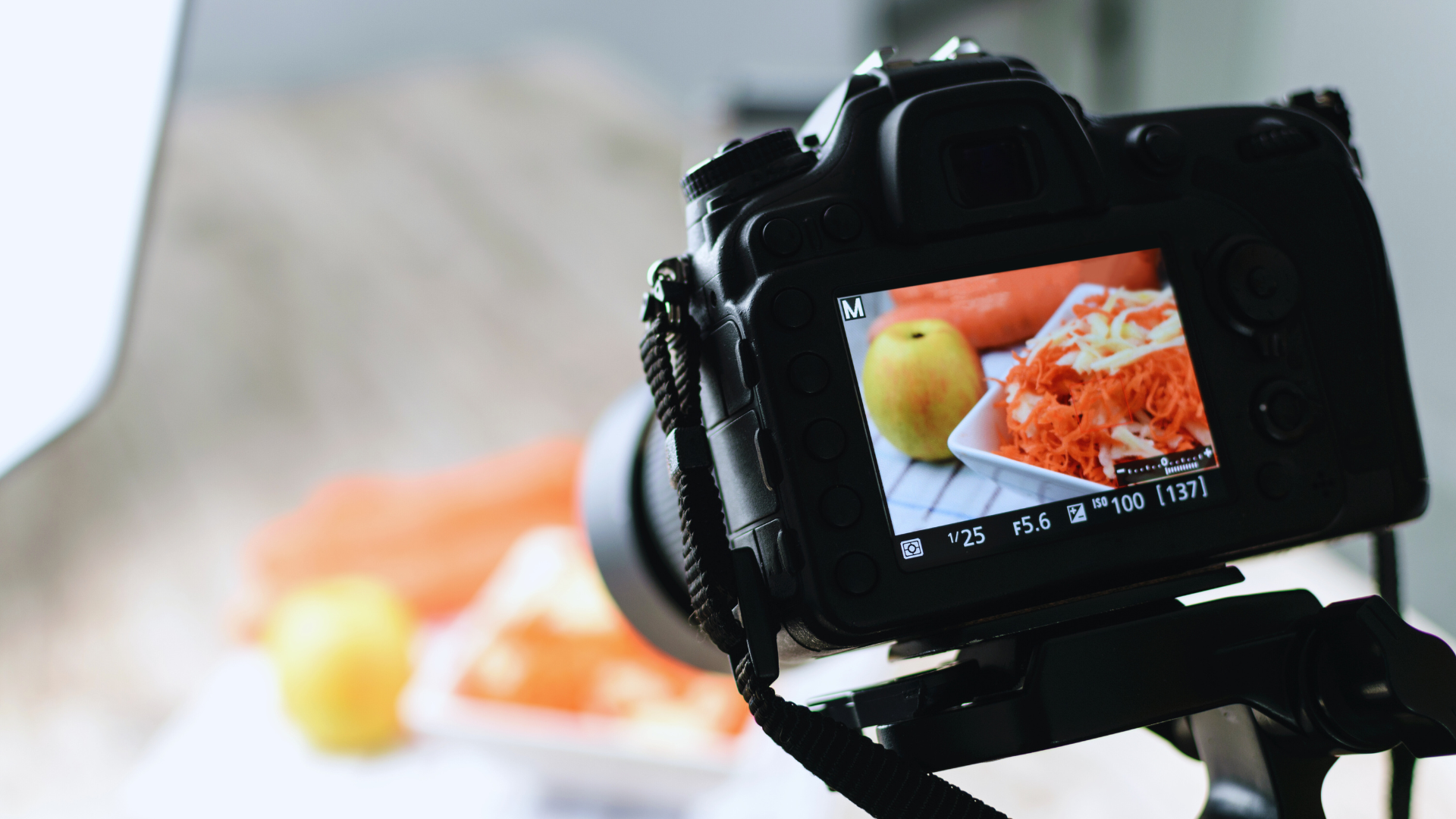
Photography is an art form that often hinges on the choice of orientation—horizontal or vertical. Horizontal photographs are typically better for landscapes and wider scenes, while vertical photographs excel in capturing portraits and tall structures. Understanding the strengths of each orientation can greatly enhance the storytelling aspect of an image.
Choosing between horizontal and vertical formats can significantly impact the viewer’s experience. Each orientation offers unique advantages that can complement different subjects. For instance, a wide vista may benefit from a horizontal perspective to convey breadth, while a vertical shot can showcase height and depth effectively.
Photographers should consider the subject and the message they want to communicate when deciding on orientation. By exploring horizontal vs. vertical photography, one can learn how to craft images that connect with viewers more profoundly.
Understanding Photography Orientation
Photography orientation refers to the alignment of the camera when capturing an image, significantly influencing aesthetics and composition. Vertical and horizontal formats each create distinct visual narratives and can evoke different emotional responses from viewers.
Defining Vertical and Horizontal Photographs
Vertical photographs, or portrait orientation, have a taller-than-wide aspect. This format is often used for portraits, architecture, or subjects where height is emphasized. It directs the viewer’s gaze upward, creating a sense of elevation or grandeur.
Horizontal photographs, or landscape orientation, are wider than they are tall. This orientation is typical for landscapes, group shots, and expansive scenes. It allows for a broader context, which can evoke openness and tranquility. Both orientations serve specific purposes, shaping how the subject is perceived.
The Impact of Aspect Ratio on Composition
Aspect ratio is the proportional relationship between an image’s width and height. Common ratios include 4:3, 16:9, and 1:1. The chosen ratio can directly affect the composition and aesthetic of the photograph.
For vertical shots, a common aspect ratio of 4:5 emphasizes subjects in the frame, which can enhance the sense of intimacy. In contrast, horizontal images often utilize wider ratios like 16:9 to capture more context, guiding the viewer’s eye along the expansive scene. Selecting the appropriate aspect ratio helps define the mood and message of the photograph.
Composition Techniques in Photography
In photography, composition plays a pivotal role in crafting visually appealing images. Understanding techniques like the Rule of Thirds and selecting the appropriate mode—landscape or portrait—can significantly enhance the aesthetics of both horizontal and vertical photographs.
Applying the Rule of Thirds
The Rule of Thirds is a fundamental composition technique. It involves dividing the frame into a 3×3 grid, utilizing intersections as focal points. By positioning key elements along these lines or at their intersections, a photographer can create balance and lead the viewer’s eye throughout the image.
For instance, if capturing a landscape, placing the horizon along the top or bottom third of the frame can enhance depth. Similarly, in a portrait, positioning the subject’s eyes along the top third can draw attention. This technique encourages a dynamic composition, moving beyond simple centered arrangements to create more engaging visuals.
Choosing Between Landscape and Portrait Mode
Selecting landscape or portrait mode influences the narrative of a photograph. Landscape mode, ideal for broader scenes, allows photographers to capture expansive vistas, making it suited for nature and group photos. This orientation emphasizes horizontal elements, supporting the composition’s balance.
Conversely, portrait mode excels in highlighting individual subjects or vertical elements. It’s beneficial for portraits, emphasizing facial features, and can create a sense of intimacy. Choosing the right mode shapes the viewer’s perception, conveying specific emotions and intentions effectively. Understanding these modes can elevate the impact of any photograph.
Equipment Choices for Different Orientations
When choosing equipment for photography, orientation plays a significant role. The type of camera and lens can impact the outcome of both vertical and horizontal photographs.
DSLRs are versatile options for both orientations. They allow for easy adjustment between portrait and landscape modes.
Lenses also influence the composition. For landscape photography, wider lenses work well in horizontal orientation, capturing expansive scenes. In contrast, telephoto lenses may enhance vertical photographs by focusing on specific elements.
Tripods provide stability, especially important in landscape photography. Many tripods come with adjustable heads, allowing for seamless transitions from horizontal to vertical setups.
Camera settings should also be considered. The composition differs significantly between vertical and horizontal photographs, affecting settings like exposure and focus. Vertical shots often emphasize height, while horizontal shots highlight width.
Using a grip or battery pack can facilitate vertical shooting with a DSLR, making it easier to hold the camera comfortably. This is especially helpful during long shoots or when capturing a series of vertical photographs.
In summary, when selecting equipment for different orientations, one must consider the camera body, lens type, tripod stability, and additional accessories that support both vertical and horizontal photography needs.