
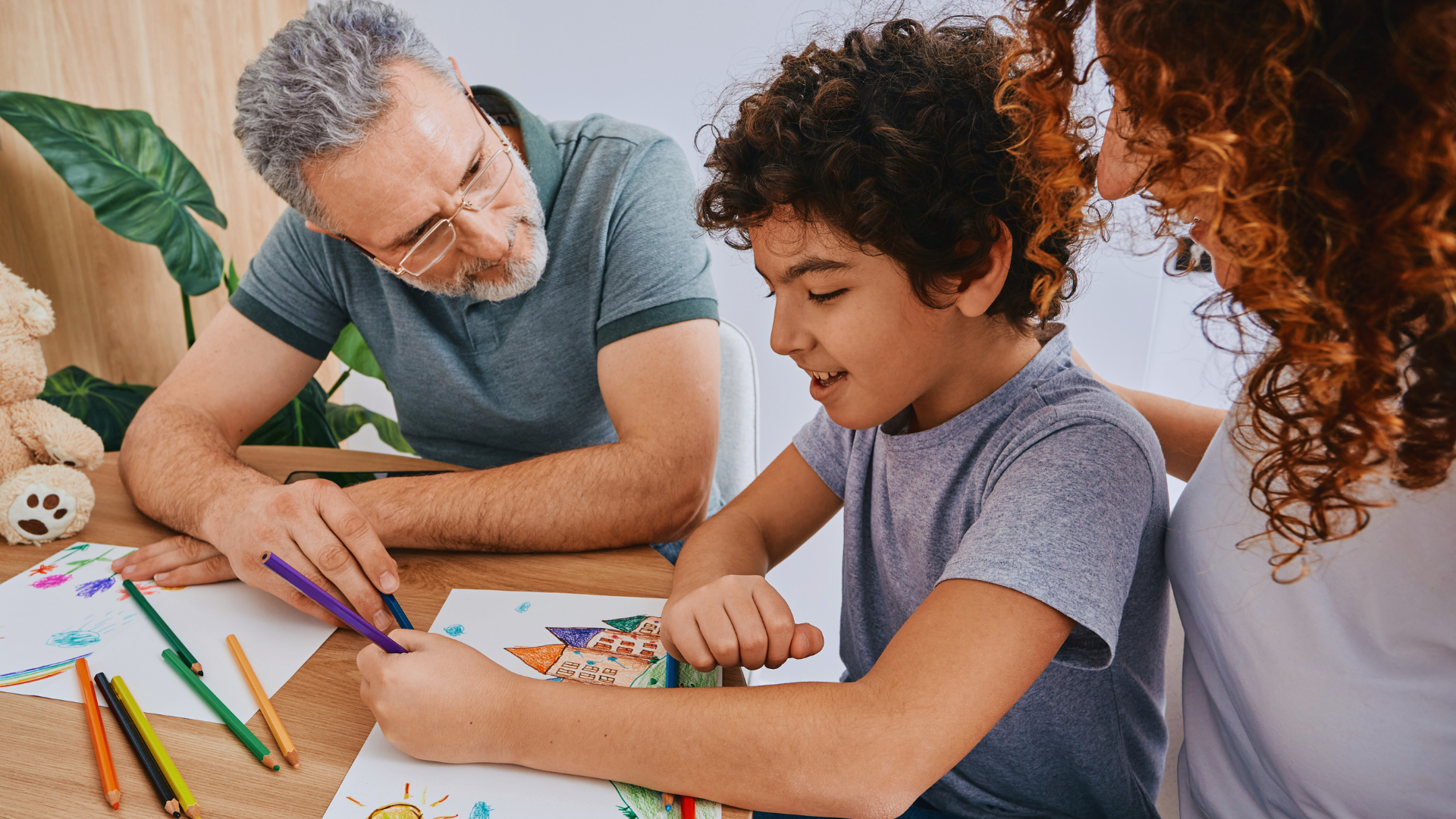
Art has long been a medium of expression, but its role in mental health is gaining recognition. Studies indicate that engaging in artistic activities can enhance emotional well-being and provide therapeutic benefits. From painting to music, art therapy offers individuals an outlet to explore emotions, alleviate stress, and foster personal growth.
Through the creative process, participants can confront and process their feelings in a safe environment. This therapeutic approach allows for self-discovery and healing, making art a valuable tool in improving mental health. Engaging with art can transform thoughts and feelings into tangible forms, promoting a deeper understanding of oneself.
By incorporating art into therapeutic practices, individuals can experience improved mood and reduced anxiety. The act of creating not only serves as a distraction but also encourages mindfulness, allowing for moments of peace in a chaotic world. This connection between art and mental well-being highlights the importance of creativity in everyday life.
Understanding Art Therapy
Art therapy plays a pivotal role in promoting mental well-being through creative methods. It fosters self-expression and can be particularly effective for individuals facing mental disorders. The following subsections explore the fundamentals of art therapy, the significance of creativity, and its implementation in clinical settings.
The Basics of Art Therapy
Art therapy combines traditional therapeutic techniques with artistic expression. Qualified art therapists guide individuals in using various art forms, such as painting, drawing, or sculpting, to explore emotions and experiences. This method allows clients to convey feelings that may be difficult to articulate verbally.
Art therapy is not limited to any specific age group or background. It can benefit children, adults, and the elderly. The approach provides a safe space for individuals to release emotions and reflect, thereby enhancing personal growth and healing.
The Role of Creativity and Self-Expression
Creativity serves as a vital tool for self-expression in art therapy. It encourages individuals to engage with their inner thoughts and feelings, often leading to new insights about themselves. Through creative processes, clients can identify and confront underlying issues related to emotional distress.
Self-expression is essential for mental health. When individuals are given the opportunity to create, they often experience reduced anxiety and improved mood. Engaging with art fosters a sense of autonomy, empowering clients to take control of their emotional well-being.
Art Therapy in Clinical Settings
Art therapy is increasingly integrated into clinical environments, such as hospitals and mental health facilities. In these settings, qualified art therapists collaborate with healthcare teams to address the needs of patients facing various mental disorders.
It serves as a complementary treatment alongside conventional therapies. Art therapy can aid in reducing symptoms of depression, anxiety, and trauma. Individual or group sessions provide a platform for patients to communicate feelings and experiences indirectly through art, enhancing their recovery process.
Mental Health and Emotional Well-Being
Art plays a significant role in enhancing mental health and emotional well-being. Engaging with art can help individuals cope with stress, manage anxiety, and heal from trauma, fostering resilience in the process.
Coping with Stress and Anxiety
Creating or interacting with art can serve as an effective tool for stress reduction. Engaging in artistic activities allows individuals to express emotions that may be difficult to verbalize. This process can lower cortisol levels, promoting relaxation.
Art can also divert attention from stressors. Focusing on colors, shapes, and materials can create a meditative state, easing anxiety. Techniques like doodling or painting can lead to improved cognitive functioning, helping to clear the mind and reduce overwhelming thoughts.
Art Therapy for Depression and Mood Disorders
Art therapy is a formal therapeutic approach widely used in treating depression and mood disorders. It offers patients a safe space to explore their feelings through creative expression. This form of psychotherapy can illuminate underlying issues and facilitate discussion in a non-threatening manner.
Patients often experience emotional healing through their artwork. Creating visual pieces allows for the externalization of inner turmoil, helping to process feelings of sadness or hopelessness. As a result, patients may find increased emotional resilience and a better understanding of their emotional landscape.
Trauma and Emotional Resilience
Art is a powerful medium in addressing trauma, including conditions like PTSD. Artistic expression can help individuals process traumatic experiences, allowing for catharsis and emotional release. This healing journey can be crucial in rebuilding emotional resilience.
Engaging with art gives individuals a sense of agency and control, which is often disrupted by trauma. By creating art, they can narrate their stories and transform pain into visual representations. This active participation fosters a path toward recovery, encouraging a renewed sense of self and well-being.
Art Therapy Across Different Populations
Art therapy serves various populations, addressing their unique mental health and cognitive needs. This therapeutic approach facilitates expression and healing, especially among children, adults, and the elderly.
Supporting Children and Adolescents
Art therapy provides vital support for children and adolescents facing challenges such as autism and anxiety. Engaging in creative activities helps them express emotions that might be difficult to verbalize.
Schools and community centers often incorporate art therapy into programs, allowing young individuals to explore their feelings through drawing, painting, and other mediums. This can enhance social skills and improve self-esteem while also aiding in cognitive development.
Assisting Adults with Mental Health Challenges
Adults with mental health conditions, including schizophrenia and those undergoing treatment for cancer, often benefit from art therapy. This therapeutic method offers them a non-verbal outlet to process their experiences and manage symptoms.
By using art, individuals can explore complex emotions and develop coping strategies. Group art therapy sessions foster a sense of community, reducing feelings of isolation while promoting mental wellness and resilience.
Elderly Care and Cognitive Decline
Art therapy plays a significant role in supporting the elderly, particularly those experiencing dementia or Alzheimer’s disease. Creative expression can stimulate memory and cognitive function, providing a meaningful way for seniors to engage with their past.
Activities such as painting or sculpting not only enhance motor skills but also promote social interaction among peers. Care facilities often implement art therapy as a tool to address cognitive decline and maintain interpersonal connections, which is crucial for emotional well-being.
Approaches and Techniques in Art Therapy
Art therapy encompasses diverse modalities that cater to individual needs, providing various avenues for expression and personal exploration. Techniques often integrate art with other therapeutic methods to enhance effectiveness, fostering mindfulness and insight.
From Painting to Sculpture: Various Modalities
Art therapists utilize a range of modalities, including painting, drawing, and sculpture. Each medium offers unique benefits; for instance, painting can facilitate emotional expression through color and form.
Sculpting with clay allows for tactile engagement, which can be grounding and therapeutic. Drawing and coloring can be calming, helping individuals focus their energy and reduce stress. These modalities encourage participants to explore their thoughts and feelings in a non-verbal manner, promoting self-discovery and healing.
Integrating Art with Other Therapeutic Methods
Combining art therapy with other therapeutic approaches can enhance overall outcomes. For example, integrating expressive writing or journaling with art-making allows individuals to articulate their feelings more deeply.
Group therapy settings can also benefit from collaborative art projects, fostering connection among participants. Techniques such as mindfulness are often incorporated, helping individuals remain present and engaged within the creative process. This integration promotes a holistic approach to mental health.
Art-Making Process and Personal Insight
The art-making process serves as a powerful tool for personal insight. Individual engagement in creating art can uncover underlying emotions and experiences.
As individuals create, they often experience moments of clarity about their situations. This introspective process can lead to meaningful revelations, supporting emotional regulation and resilience. By reflecting on their artwork, individuals can gain a deeper understanding of their challenges and strengths.