
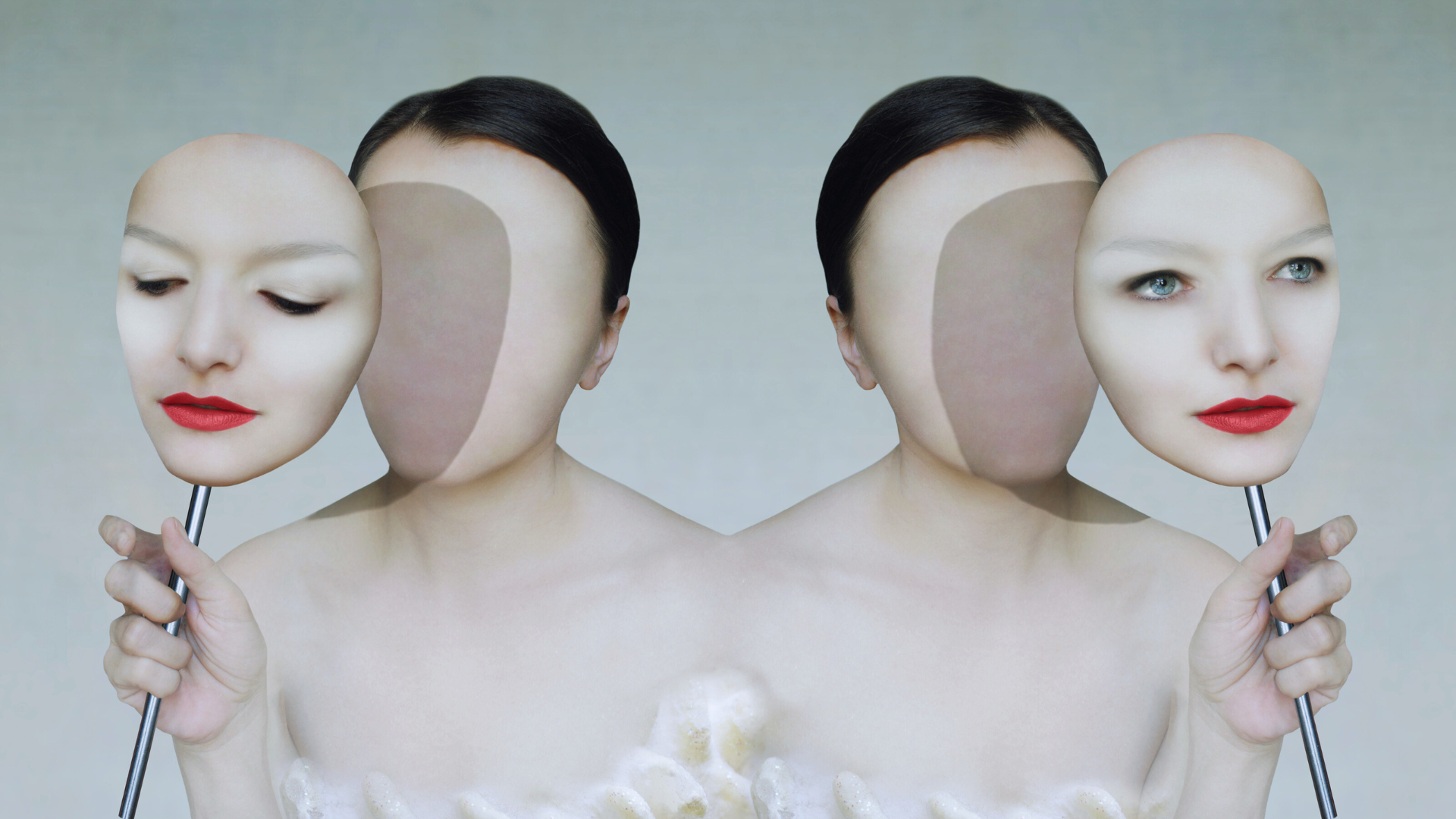
Surrealism art challenges the boundaries of reality by exploring the subconscious and the imagination. It seeks to unlock the unconscious mind to reveal unexpected connections and dreamlike scenarios. Artists such as Salvador Dalí and René Magritte masterfully incorporated irrational elements, urging viewers to question their perceptions of reality.
The movement emerged in the early 20th century, fueled by the writings of thinkers like Sigmund Freud. Surrealists aimed to transcend logical thought and embrace the bizarre, allowing creativity to flourish in ways that traditional art forms could not accommodate. This liberation of artistic expression continues to inspire contemporary artists to experiment with form and concept.
By engaging with surrealism, individuals can explore the depths of their own imagination, discovering new insights and meanings in the chaotic interplay of dreams and reality. This art form invites introspection and encourages viewers to embrace the whimsical and bizarre as valid expressions of human experience.
Historical Context and Origins
Surrealism emerged as a revolutionary movement in the early 20th century, driven by social and political upheavals in Europe. Its roots rested in earlier avant-garde movements and were significantly shaped by the psychological theories of figures like Sigmund Freud.
Inception in Europe
Surrealism began formally in 1924 with André Breton’s Surrealist Manifesto, which outlined the core principles of the movement. Breton emphasized the importance of the unconscious mind and dreams as pathways to creativity. This art form sought to challenge rationalism, using unexpected juxtapositions to stir emotion and provoke thought.
Artists such as Giorgio de Chirico were early influencers, creating dreamlike compositions that sparked surrealist ideas. Paris became the epicenter of this new movement, attracting artists and intellectuals who sought a break from conventional thought.
Influence of World War I
The devastation caused by World War I had profound implications for art and society. The war left a generation disillusioned, leading many artists to reject traditional values.
Surrealism rose in response to the chaos, promoting a more profound exploration of the human psyche. Artists sought to express their anxieties and subconscious fears through their works. This dark context fueled their desire to transcend reality, using surreal imagery to communicate emotional truths.
Dada Movement Precursor
The Dada movement, which flourished just before surrealism, set the stage for its emergence. Dadaists reacted against the societal norms they believed contributed to the war, often employing absurdity and anti-art sentiments.
Figures such as Tristan Tzara questioned the very nature of art. This spirit of rebellion influenced surrealists, who adopted and transformed Dada techniques into a quest for deeper meaning and a connection to the subconscious mind.
Surrealist Manifesto Development
The first Surrealist Manifesto served as a foundational text for the movement. It not only defined surrealism but also set forth its philosophical and artistic goals. Breton sought to unify artists drawn to the surrealist vision and illustrate the movement’s potential to disrupt conventional perceptions.
Over time, further manifestos were published to refine surrealist ideology. These texts advocated for freedom in artistic expression and collaboration among artists to explore the unconscious more deeply. They firmly anchored surrealism within a context of political and social change, making it as much a cultural movement as an artistic one.
Key Concepts and Stylistic Elements
Surrealism art is characterized by specific concepts and stylistic elements that explore the depths of the human psyche. Key elements include the influence of dreams, the role of Freudian theory, the technique of automatism, and the use of juxtaposition and irrational imagery.
Dreams and the Unconscious
Dreams serve as a vital source of inspiration in surrealism, representing the unconscious mind’s hidden desires and fears. Artists often depict dreamlike scenarios that challenge rational thought. The irrational nature of dreams allows for creative expression beyond the boundaries of conventional reality.
This can manifest in unexpected associations between objects, creating a visual language that taps into deeper emotional truths. Surrealists aim to evoke a sense of wonder and confusion, prompting the viewer to reflect on their own subconscious experiences.
Freudian Psychoanalysis
The works of Sigmund Freud heavily influence surrealist thought, particularly his theories about the unconscious. Surrealists focus on exploring repressed desires and unresolved conflicts that shape human behavior. They often reference Freud’s concepts such as the id, ego, and superego in their art.
This psychological framework allows artists to tap into the deeper layers of human experience. The human psyche, with its complexities, becomes a primary subject for exploration, revealing the intricate dance between reality and illusion.
Automatism and Automatic Writing
Automatism is a technique employed by surrealists to bypass conscious control in the creative process. This method encourages spontaneous creation through free association and unfiltered expression. Automatic writing, a pivotal practice, involves writing without thought, allowing words to flow freely.
This results in raw, unmediated output that reflects the artist’s subconscious thoughts. Artists believe that this approach is essential for genuine artistic expression, revealing truth that traditional methods may obscure.
Juxtaposition and Irrational Imagery
Juxtaposition is a fundamental technique in surrealism where unrelated elements are placed together to create new meanings. This method highlights the absurdity of reality, leading to ironic or thought-provoking compositions. Artists combine ordinary objects with bizarre contexts to challenge viewers’ perceptions.
The use of irrational imagery further enhances this effect, encouraging an emotional rather than logical response. Surrealism prioritizes feeling and intuition over rational explanation, leading to a richer interpretation of visual art.
Surrealism Across Art Forms
Surrealism manifests across various art forms, each expressing the movement’s core principles of imagination and the subconscious. Key figures in visual art, literature, film, and design have shaped surrealism’s rich landscape.
Visual Art and Painting
Visual art is perhaps the most recognizable form of surrealism, with key artists like Salvador Dalí, Joan Miró, and Max Ernst leading the charge. Their works often include dream-like scenes filled with bizarre juxtapositions. Dalí’s meticulous attention to detail creates unsettling images, like melting clocks, which compel viewers to question reality.
The technique of automatism, used by artists to bypass conscious thought, plays a significant role in surrealist painting. Miró’s idiomatic approach blends abstract forms with playful colors, evoking emotional responses. This art form aims to connect deeply with the viewer’s subconscious, challenging conventional perspectives.
Literature and Poetry
Surrealism in literature and poetry uses unexpected imagery and symbolism to explore the subconscious. André Breton, known as the movement’s founder, emphasized spontaneous writing as a key method. His manifestos outline the importance of dreams and irrationality in artistic expression.
Poets like Paul Éluard harnessed surrealism to evoke deep emotions and challenge reality. Their works often feature disjointed narratives and imaginative constructs that provoke thought and reflection. This literary form prioritizes the emotional experience over pure logic, inviting readers to engage with their subconscious.
Film and Photography
In film, surrealism has been articulated through unique narratives and visual aesthetics. Directors like Luis Buñuel broke cinematic conventions with films such as Un Chien Andalou, which defy linear storytelling. Their works distill surrealist principles, blending dream and reality.
Photography also embraces surrealism through manipulation of images. Man Ray revolutionized the medium with experimental techniques like solarization, creating ethereal images that blur the line between reality and the imaginary. These art forms aim to elicit a visceral response from viewers, provoking reflection on their perceptions.
Design and Fashion
Surrealism in design and fashion explores the bizarre and the unexpected. Designers often incorporate dream-like elements and unconventional materials into their creations. For instance, Dali collaborated with mainstream fashion, bringing surrealism into haute couture.
Fashion designers like Elsa Schiaparelli experimented with surrealist motifs, using themes like metamorphosis in their collections. Her famous lobster dress exemplifies how surrealism can disrupt traditional aesthetics. The fusion of art and functionality in this realm emphasizes individuality and self-expression through the lens of dreams.
Impact and Legacy
Surrealism has significantly influenced modern art, transcending borders and fostering cultural exchange. Its legacy resonates in various artistic styles and continues to inspire political activism and social commentary.
Modern Art and Contemporary Influence
Surrealism’s impact on modern art is profound. It introduced innovative techniques such as automatic drawing and free association. These methods have paved the way for contemporary artists to explore the subconscious and the irrational.
Artists like Salvador Dalí and René Magritte have inspired countless creators. Their distinctive styles enabled new forms of expression, blending imagination with everyday life. This influence extends to various art forms, including film and literature, where surrealist themes challenge reality.
International Reach and Cultural Exchange
The reach of surrealism is global, impacting artists across continents. From Europe to Latin America and Asia, surrealist ideas have found resonance in diverse cultures. The movement encouraged cross-cultural collaborations, enriching artistic practices worldwide.
Events like the International Surrealist Exhibition in 1936 brought together artists from various backgrounds. This exchange fostered a shared understanding, allowing for the fusion of styles. The continuity of surrealist principles in contemporary art reflects its enduring legacy.
Political Activism and Social Commentary
Surrealism did not shy away from political themes. Many surrealist artists employed their work as a platform for social critique. They often addressed issues like war, oppression, and freedom.
Through provocative imagery and symbolism, surrealism engaged audiences in political discourse. Artists like André Breton advocated for revolutionary change, using surrealist techniques to challenge societal norms. The movement’s emphasis on the unconscious has inspired activists to explore new ways of conveying their messages through art.