
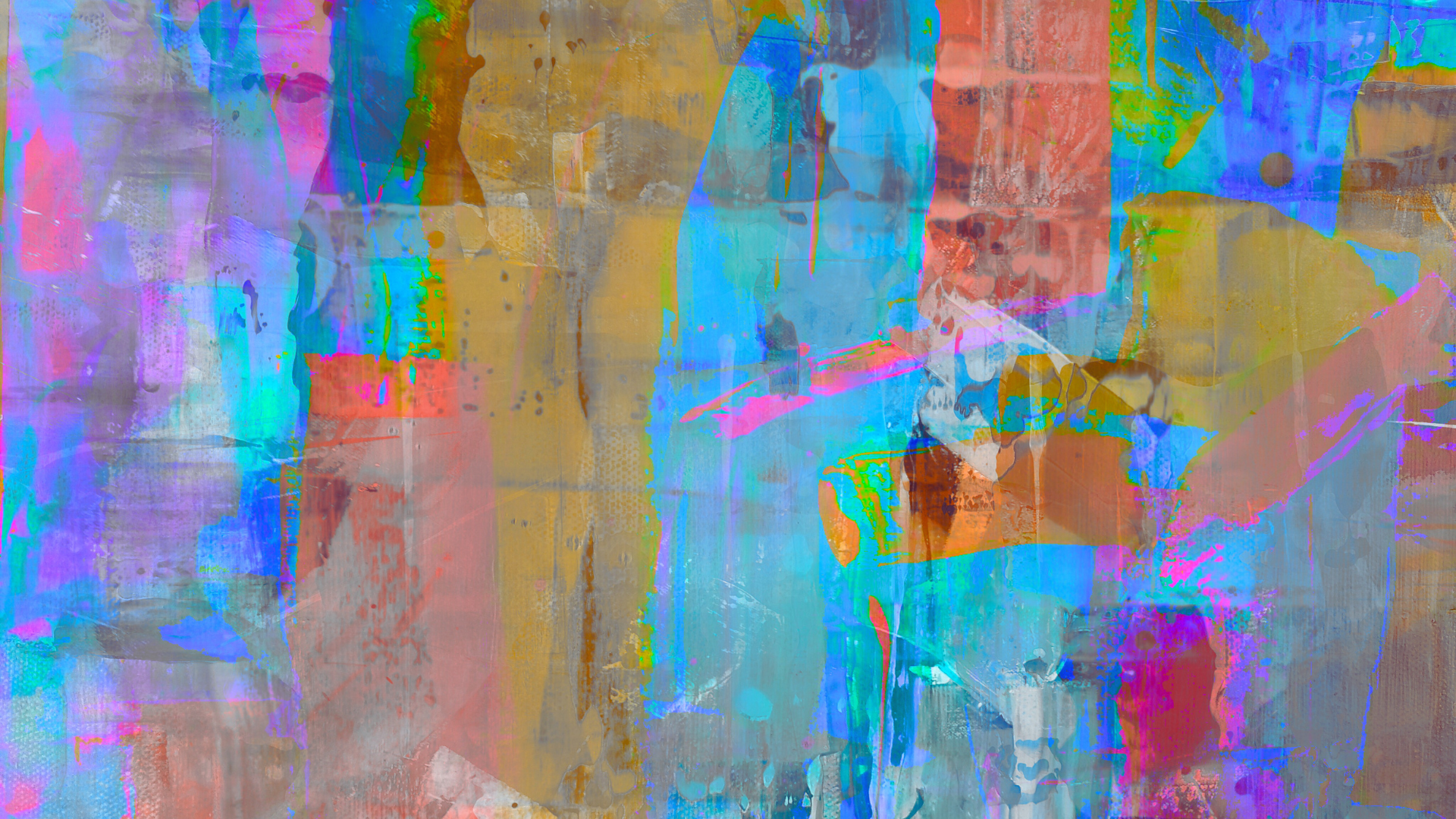
Intuitive art orientation represents a creative process that emphasizes personal intuition as a guiding force in artistic expression. It allows artists to tap into their subconscious, enabling them to create unique pieces that resonate deeply on an emotional level. This approach differs from traditional methods that often prioritize technique or structured planning, making intuitive art both liberating and deeply personal.
In this exploration of intuitive art orientation, readers will discover how intuition plays a pivotal role in shaping artistic outcomes. By relying on instinct rather than strict adherence to rules, artists can explore their inner selves and express complex emotions through their work. This practice fosters a connection between the artist and the viewer, inviting a more profound engagement with the art.
As the blog post unfolds, it will delve into the benefits of embracing this orientation, exploring techniques that nurture creativity and enhance the intuitive process. Those interested in expanding their artistic practice or seeking inspiration will find value in understanding how intuition can transform their approach to art.
Understanding Intuitive Art
Intuitive art represents a personal, instinctual approach to creation. It draws from historical influences and possesses distinctive characteristics that set it apart from other art movements.
Historical Context and Influences
Intuitive art emerged in the 20th century, coinciding with various art movements that emphasized personal expression. The Impressionist movement prioritized individual perception, allowing feelings and spontaneity to influence technique.
Abstract art later took these concepts further, focusing on forms and colors over representational accuracy. Artists within the Abstract Expressionism movement, such as Mark Rothko and Jackson Pollock, embraced emotion and instinct. This paved the way for intuitive artists, who prioritize personal interpretation over traditional skills.
Distinctive Characteristics of Intuitive Art
Intuitive art is often characterized by its emphasis on spontaneity and emotion. Artists typically work without a premeditated plan, letting their instincts guide the brush or medium.
Color plays a significant role, often chosen based on emotional resonance rather than representational intent. Textures, shapes, and forms become expressive elements without adherence to specific rules. These works may appear chaotic, yet each element is deliberately positioned by the artist’s feelings.
The result is a deeply personal connection to creativity, where the viewer may find meaning unique to their experience. Intuitive art challenges conventions, inviting exploration of both the art and the self.
The Creative Journey of an Intuitive Artist
The creative journey of an intuitive artist involves embracing spontaneity, allowing for personal expression, and connecting with inner guidance. Each intuitive artist navigates unique experiences that shape their artistic path.
Nurturing Creativity
Nurturing creativity requires a safe and inviting creative space. An environment free from distractions allows the artist to explore without limitations.
This can include a designated studio, a quiet corner at home, or even an outdoor setting.
Setting the mood with inspiring music or natural elements can further enhance this space. An intuitive artist often engages in rituals or routines that stimulate creativity, such as meditation or journaling.
These practices may lead to unexpected insights that fuel artistic expression. By prioritizing personal enjoyment and exploration, intuition becomes a guiding force in their work.
Artistic Freedom and Expression
Artistic freedom empowers the intuitive artist to break conventional boundaries. Each piece they create reflects a journey of self-discovery, showcasing unique elements of their identity.
This freedom fosters experimentation with various mediums, colors, and techniques. Intuitive artists often blend traditional and modern methods, creating a distinctive style.
Their work may convey emotions or themes that resonate at a personal level but also connect with audiences universally.
This artistic expression often serves as an outlet for deeper feelings, thoughts, or spiritual insights, revealing a profound layer of personal truth.
Role of Inner Guidance
Inner guidance plays a pivotal role in the creative process of an intuitive artist. Listening to one’s intuition can lead to unexpected directions during artistic creation.
This inner voice encourages the artist to trust their instincts, often manifesting in spontaneous choices in color, form, or composition.
Many artists describe moments where they felt guided by something beyond themselves, resulting in a profound connection to their work.
This can transform a simple act of creation into a spiritual practice, where every brushstroke or sculpting motion becomes a dialogue with the self.
Such experiences not only enhance artistic quality but also foster a sense of fulfillment and purpose in their creations.
Art Techniques in Intuitive Painting
Intuitive painting embraces spontaneity and personal expression, utilizing various techniques that enhance creativity. This section explores the use of mixed media and the incorporation of emotional and spiritual elements in the art-making process.
Mixed Media and Materials
In intuitive painting, artists often blend various materials to create dynamic compositions. Mixed media techniques allow the use of acrylic paint, pastels, collage elements, and more, fostering a rich textural experience.
Common materials include:
- Acrylic paint: Versatile with quick drying properties.
- Paper or fabric: For collage, adding layers and depth.
- Natural elements: Such as sand or leaves, integrate organic textures.
Artists focus on balancing contrast in colors and textures, providing visual interest. This flexibility encourages experimentation, allowing them to work freely without strict guidelines.
Incorporating Emotional and Spiritual Elements
Emotional expression is central to intuitive painting. Artists often reflect their inner experiences, translating feelings into visual form. Techniques involve:
- Free association: Painting spontaneously without premeditated concepts.
- Color psychology: Understanding how colors evoke specific emotions.
Spiritual elements can also play a significant role. Many artists meditate or engage in practices that promote mindfulness before creating. This connection helps channel deeper emotions into their artwork.
Utilizing symbols or personal imagery can enhance the spiritual aspect, allowing for a profound connection between the artist and their work.
Intuitive Art as a Tool for Personal Growth
Intuitive art serves as a powerful medium for self-reflection and personal exploration. It fosters a connection to one’s inner guidance, promoting deeper emotional responses and mindfulness.
Self-Reflection and Discovery
Engaging with intuitive art allows individuals to dive into self-reflection. This approach encourages a candid exploration of thoughts and feelings, often revealing layers of subconscious insights. The process can lead to significant self-discovery, as artists express emotions that may have remained unarticulated.
Through self-guided artistic expression, practitioners can confront personal challenges. This confrontation may unveil new perspectives and facilitate healing. As they create, individuals tap into their emotional states, gaining clarity about their experiences. This method can be particularly beneficial in art therapy, allowing for exploration without judgment.
Meditative Practices and Mindfulness
Intuitive art integrates meditative practices that promote mindfulness. Artists often enter a state of flow, where the act of creation becomes a meditative experience. This state calms the mind, enabling a deeper connection with oneself.
As individuals engage in this creative process, they cultivate awareness of their present emotions and thoughts. The combination of art and meditation helps in focusing on the here and now. This practice encourages a sense of peace, inviting divine guidance to emerge. Regular engagement with intuitive art can enhance one’s spiritual practice, fostering a holistic sense of well-being.