
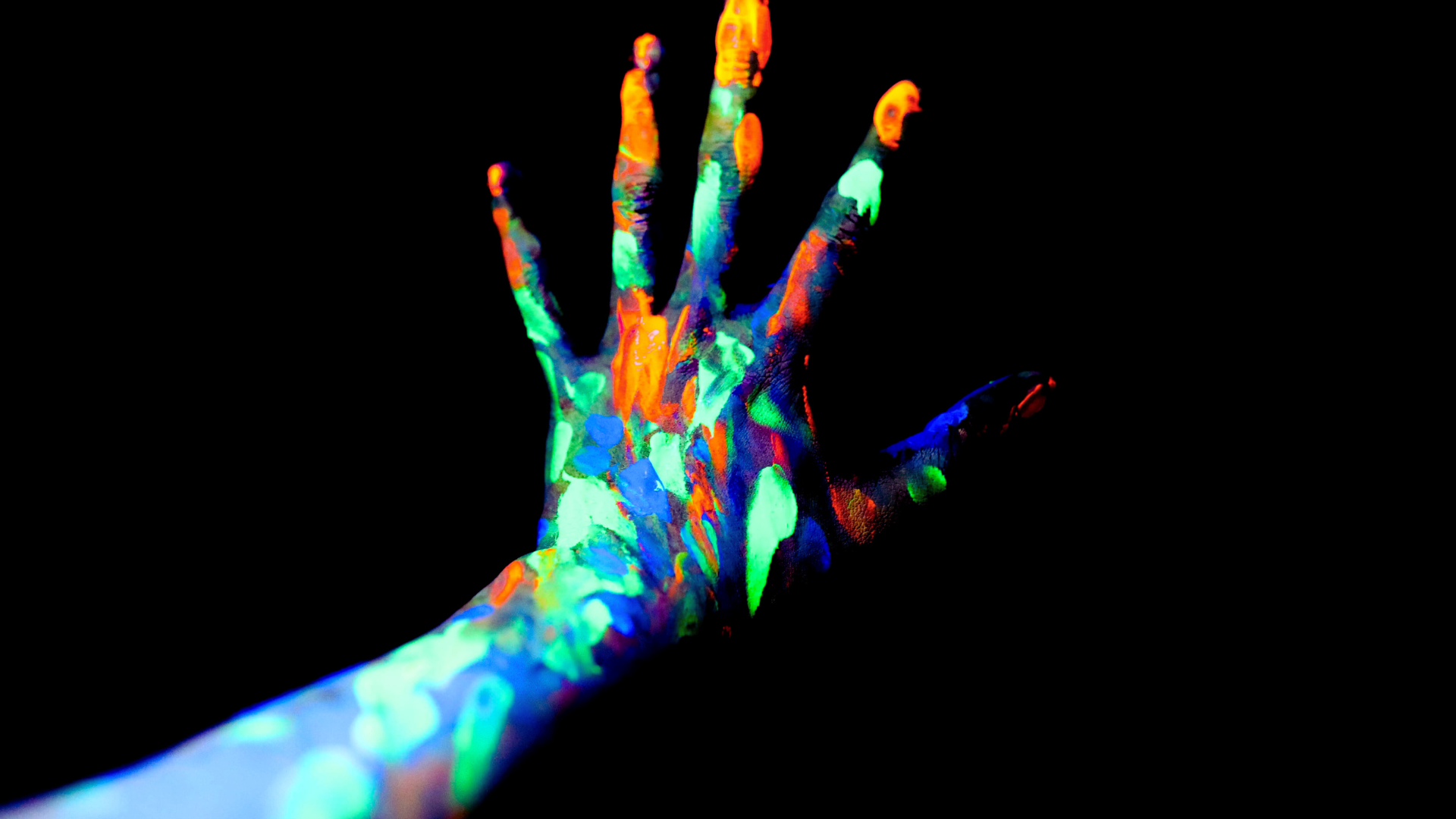
Artistic style trends shape the creative landscape, influencing how art is produced and consumed. Each era introduces new techniques and themes, reflecting societal values and technological advancements. Current trends indicate a growing embrace of sustainability, digital integration, and inclusivity in artistic expression.
As artists respond to contemporary challenges, their work often merges traditional methods with modern tools. This fusion creates fresh perspectives that resonate with diverse audiences. Individuals observing these trends can gain valuable insights into the evolving nature of artistic expression.
Staying informed about these trends can enhance appreciation for both historical and modern art. Recognizing how styles shift over time allows for a deeper connection to the creative practices that define cultures. Exploring these dynamics reveals not only what artists are creating but also why their work matters today.
Historical Development of Artistic Styles
Artistic styles have evolved dramatically throughout history, shaped by various sociopolitical influences, technological advancements, and the natural environment. Each of these factors plays a critical role in defining art movements and their distinctive characteristics.
Influence of Sociopolitical Climate
The sociopolitical climate has significantly influenced artistic expression across different eras. For instance, the Renaissance emerged in response to the changing power dynamics in Europe and the revival of classical knowledge.
During the Baroque period, art reflected the tension between religious fervor and political power, often used as propaganda by ruling authorities. The tumultuous 20th century saw movements like Dada and Surrealism question societal norms following the devastation of World War I. Artists responded to their realities, producing works that reflected the chaos and transformation of their times.
Advancements in Technology and Art
Technological innovations have consistently reshaped artistic practices and styles. The invention of the printing press in the 15th century allowed for mass distribution of art, helping the Renaissance spread across Europe.
In the 19th century, the development of photography altered perceptions of realism within painting. Artists like Monet and Van Gogh experimented with color and light, influenced by new scientific understandings. The Digital Age has further revolutionized art, enabling creators to use software and platforms to push boundaries and explore new mediums.
Impact of Nature and Land on Art
The natural environment and geography have long influenced artistic themes and styles. Early landscape paintings often mirrored the beauty and challenges of local terrains, conveying a deep connection to nature.
The Hudson River School in the 19th century focused on America’s landscape, celebrating its vastness and diversity. In contrast, Japanese art was deeply influenced by seasonal changes and the aesthetics of simplicity found in nature. Contemporary artists continue to explore themes of climate change and environmental degradation, implicating nature’s fragility in their work.
Dominant Artistic Trends in Contemporary Art
Contemporary art is characterized by various significant trends shaping its evolution. Noteworthy changes include a strong shift towards abstraction and conceptual art, the increasing visibility and influence of female artists, and a growing focus on environmental issues through artistic responses to climate change.
Shift Towards Abstraction and Conceptual Art
Recent years have seen a revival of abstraction and conceptual art as major components of contemporary practice. Artists employ non-representational forms to challenge traditional aesthetics and provoke thought. This shift enables creators to express complex ideas and emotions without relying on realistic imagery.
Prominent artists like Julie Mehretu and Olafur Eliasson exemplify this trend. They utilize abstract elements to create captivating narratives and engage viewers intellectually. Their works often stimulate discussion on subjective experiences, encouraging diverse interpretations.
Rise of Female Artists and Diverse Narratives
The contemporary art scene has witnessed a marked increase in the prominence of female artists. Figures like Carrie Mae Weems and Yayoi Kusama are redefining the landscape with diverse narratives that challenge societal norms and address issues related to gender, race, and identity.
Exhibitions increasingly feature works that celebrate intersectionality. The shift acknowledges the importance of multiple perspectives in art, enriching the dialogue within the field. This trend empowers female artists to collaborate and create movements that resonate across various cultures.
Artistic Responses to Climate Change
As climate change becomes a pressing global issue, many artists are using their work to raise awareness and inspire action. They explore themes of nature, sustainability, and environmental degradation through various mediums.
Artists like Agnes Meyer-Brandis and Chris Jordan craft poignant pieces that reflect on human impact on the planet. Their works often combine visual storytelling with data to create compelling narratives. This trend emphasizes the role of art as a catalyst for change, urging audiences to reconsider their relationship with the environment.
The Business of Art
The art world operates as a complex ecosystem involving various stakeholders, including artists, collectors, galleries, and institutions. Key elements such as art fairs, museums, and sustainable practices shape this landscape.
Art Fairs, Museums, and the Global Art Market
Art fairs serve as vital platforms for artists, galleries, and collectors to engage directly. Events like Art Basel and the Frieze Art Fair attract international attention and facilitate direct sales. They allow artists to showcase new works while providing collectors with opportunities to acquire significant pieces.
Museums play a different role, often focusing on curation and education. They contribute by hosting exhibitions that enhance the understanding of artistic styles and trends. Additionally, many museums are tapping into the global art market by forming partnerships with galleries, enhancing their collections, and increasing public accessibility to various art forms.
Collecting Art: Trends in Art Acquisition
Art collecting has evolved with new trends shaping what collectors seek. Contemporary and emerging artists are increasingly popular due to their potential for appreciation in value. Collectors often focus on niche markets that resonate with personal interests or social causes, fostering a connection with their acquisitions.
Digital art and NFTs (non-fungible tokens) have emerged as significant trends, allowing collectors to engage with art in innovative ways. As technology advances, collectors are exploring diverse mediums that challenge traditional notions of art ownership. This shift signals a growing acceptance of varied art forms, broadening the definition of what can be collected.
Sustainability Practices in the Art World
Sustainability in the art world is gaining traction as artists and organizations adopt eco-friendly practices. Many artists utilize sustainable materials, minimizing their environmental impact while contributing to the dialogue on conservation.
Institutions are increasingly implementing green policies, such as energy-efficient lighting and waste reduction initiatives. Art fairs are also considering their carbon footprints, exploring options like digital catalogs to reduce paper use. These practices reflect a growing awareness of environmental responsibility, influencing both artistic creation and the market landscape.
Representation and Form
Representation and form in contemporary art encapsulate the ways in which identity, space, and color interact within various mediums. This section explores the evolution of portraiture, the impact of three-dimensional works, and the significance of color in conveying meaning.
Evolution of Portraiture and Identity
Portraiture has evolved significantly, shifting from traditional to contemporary interpretations. In earlier times, portraits primarily depicted wealth and status. Today, they often challenge notions of identity and representation.
Contemporary artists use diverse techniques, from photography to mixed media, to explore personal and collective identities. This includes questioning gender roles, cultural backgrounds, and social narratives. For instance, artists may incorporate digital elements or abstract forms to highlight the complexity of identity in modern society.
Sculpture and Installation: Engaging With Three Dimensions
Sculpture and installation art invites viewers to engage with space in an immersive manner. Three-dimensional works often transcend traditional boundaries, incorporating materials like metal, wood, and found objects.
Contemporary sculptures can be site-specific, responding to their environment and challenging viewers’ perceptions. Installations might include interactive elements, encouraging audience participation. Artists such as Yayoi Kusama and Anish Kapoor utilize scale and form to evoke emotional responses and provoke thought.
The Vibrancy and Symbolism of Color
Color plays a pivotal role in artistic expression, conveying emotions and enhancing themes. In contemporary works, vibrant colors often symbolize cultural identity and societal issues.
Artists strategically use color to evoke specific feelings or reactions. For instance, bold reds and yellows can convey passion and energy, while cooler hues might evoke tranquility. Many artists draw on color theory to create visually striking compositions that demand attention and provoke dialogue.
The interplay of color and form in art not only enhances aesthetic appeal but also deepens the viewer’s engagement with the work, making it a crucial element in modern artistic trends.